Your kidneys work around the clock to filter waste products, balance fluids and electrolytes, regulate blood pressure, and support many other essential functions. Because they perform so many important tasks, even a gradual decline in kidney function can affect your overall health.
One challenge with kidney disease is that it often develops silently. In its early stages, chronic kidney disease (CKD) may cause few or no noticeable symptoms. As kidney function declines, however, some people begin to notice changes—especially when they first wake up in the morning.
It is important to remember that none of the symptoms below can diagnose kidney disease on their own. Many are common and may result from allergies, dehydration, poor sleep, medications, or other medical conditions. However, if these symptoms occur repeatedly, worsen over time, or appear together, they should be discussed with a healthcare provider.
Here are five morning symptoms that may be associated with kidney problems and why they deserve attention.
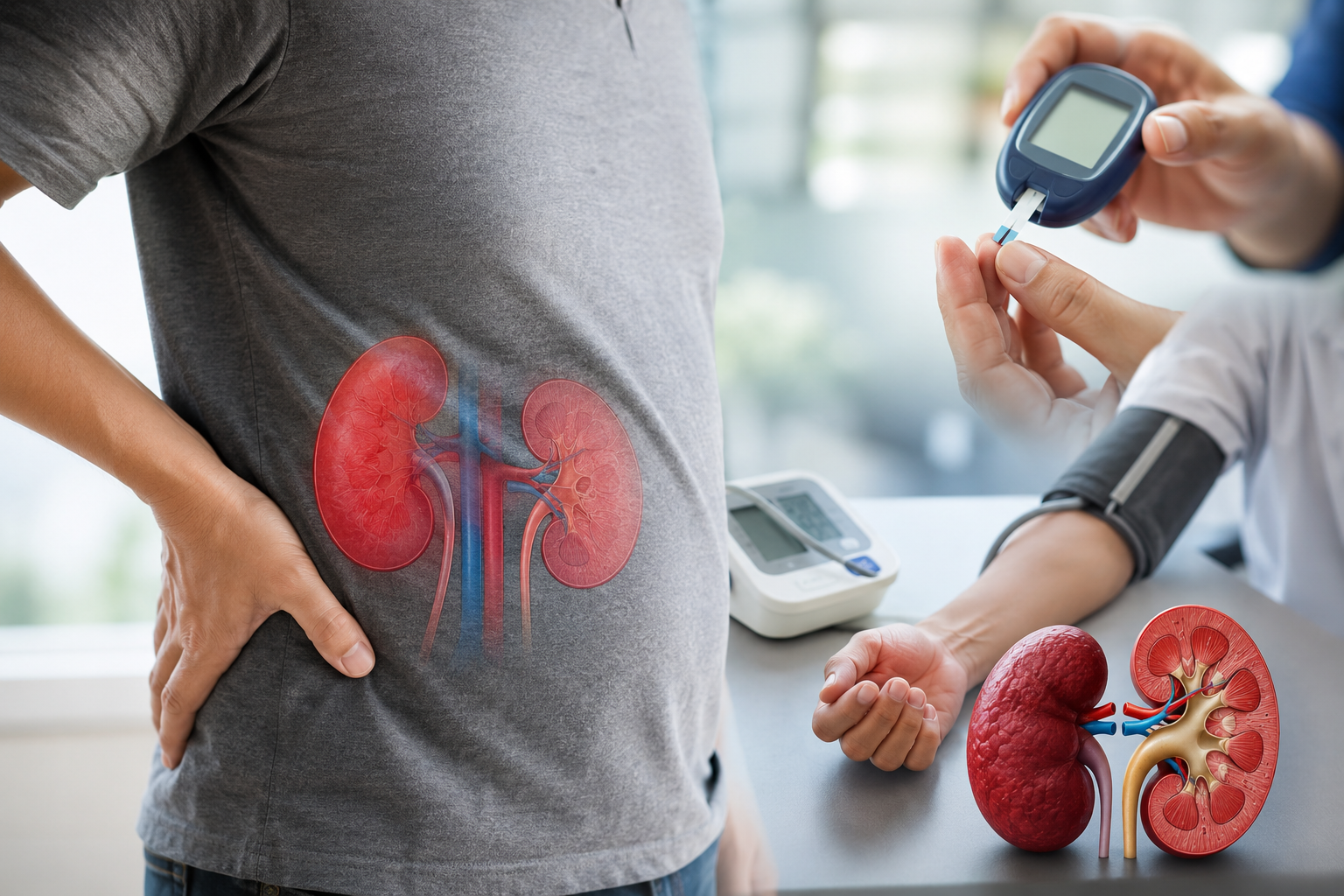
What Do Your Kidneys Do?
The kidneys are two bean-shaped organs located on either side of your spine, just below the rib cage.
Their primary functions include:
-
Filtering waste products from the blood
-
Removing excess water
-
Maintaining electrolyte balance
-
Regulating blood pressure
-
Producing hormones that help make red blood cells
-
Supporting bone health by activating vitamin D
Healthy kidneys filter approximately 150–180 liters of blood each day while producing about 1–2 liters of urine.
1. Puffy Eyes or Facial Swelling in the Morning
One of the earliest physical changes some people notice is puffiness around the eyes after waking up.
Why can this happen?
When kidney function declines, excess fluid and sodium may accumulate in the body. The loose tissue around the eyes is particularly prone to swelling, making puffiness more noticeable first thing in the morning.
However, puffy eyes are far more commonly caused by:
-
Allergies
-
Lack of sleep
-
Aging
-
High salt intake
-
Sinus problems
If swelling occurs regularly, worsens, or is accompanied by swelling in the legs or feet, medical evaluation is recommended.
2. Changes in Urination After Waking Up
Many kidney conditions affect urine production or appearance.
Possible morning changes include:
-
Foamy urine
-
Dark-colored urine
-
Blood in the urine
-
Increased nighttime urination
-
Difficulty urinating
-
Very little urine despite drinking fluids
Foamy urine may sometimes suggest excess protein in the urine, while blood in the urine should always be evaluated promptly.
Keep in mind that dehydration, urinary tract infections, certain foods, medications, and vigorous exercise can also change urine appearance.
3. Persistent Morning Fatigue
Feeling tired after a poor night's sleep is common.
However, ongoing fatigue despite adequate rest may sometimes be associated with kidney disease.
As kidney function declines, waste products can accumulate in the bloodstream, potentially contributing to fatigue. In addition, kidney disease may lead to anemia because the kidneys produce erythropoietin, a hormone that helps stimulate red blood cell production.
Fatigue can also result from many other conditions, including:
-
Iron deficiency
-
Thyroid disorders
-
Depression
-
Sleep apnea
-
Diabetes
-
Chronic infections
Persistent unexplained fatigue deserves medical evaluation.
4. Morning Nausea or Loss of Appetite
Some people with advanced kidney disease experience nausea, especially in the morning.
Possible reasons include:
-
Waste buildup in the bloodstream
-
Changes in digestion
-
Reduced appetite
-
Altered taste sensation
These symptoms are not unique to kidney disease and may also occur with stomach illnesses, liver disease, medication side effects, or pregnancy.
If nausea persists or is accompanied by weight loss or vomiting, consult a healthcare professional.
5. Swelling in the Feet, Ankles, or Hands
Although swelling may become more noticeable later in the day, some people wake up with swollen hands, fingers, or feet.
Kidney disease may reduce the body's ability to remove excess fluid, allowing fluid to collect in tissues.
Other possible causes include:
-
Heart disease
-
Liver disease
-
Venous insufficiency
-
Certain medications
-
Standing or sitting for long periods
Swelling that is persistent, painful, or associated with shortness of breath requires prompt medical attention.
Other Symptoms That May Accompany Kidney Disease
As kidney disease progresses, additional symptoms may develop, including:
-
High blood pressure
-
Muscle cramps
-
Dry, itchy skin
-
Difficulty concentrating
-
Shortness of breath
-
Metallic taste in the mouth
-
Unexplained weight loss
-
Difficulty sleeping
These symptoms are not specific to kidney disease but should not be ignored if they persist.
Who Is at Higher Risk?
Anyone can develop kidney disease, but the risk is higher in people with:
-
Diabetes
-
High blood pressure
-
Heart disease
-
Obesity
-
A family history of kidney disease
-
Older age
-
Smoking
-
Long-term use of certain pain medications (such as NSAIDs)
Regular screening is particularly important for individuals with these risk factors.
How Is Kidney Disease Diagnosed?
Healthcare providers use several tests to evaluate kidney function.
Common tests include:
Blood Tests
-
Serum creatinine
-
Estimated glomerular filtration rate (eGFR)
Urine Tests
-
Urinalysis
-
Urine albumin-to-creatinine ratio (uACR)
Imaging
-
Kidney ultrasound
-
CT scan (when appropriate)
These tests help determine whether kidney damage is present and assess its severity.
Healthy Habits That Support Kidney Function
While not all kidney disease can be prevented, several healthy habits may help reduce risk.
Stay Hydrated
Drink enough water to meet your body's needs, unless your healthcare provider recommends fluid restriction.
Control Blood Pressure
High blood pressure is one of the leading causes of chronic kidney disease.
Follow your treatment plan and monitor your blood pressure regularly.
Manage Blood Sugar
People with diabetes should work with their healthcare team to maintain healthy blood glucose levels.
Eat a Balanced Diet
Choose foods rich in:
-
Fruits
-
Vegetables
-
Whole grains
-
Lean proteins
-
Healthy fats
Limit excessive sodium, sugary beverages, and highly processed foods.
Exercise Regularly
Aim for at least 150 minutes of moderate physical activity each week.
Walking, cycling, swimming, and strength training all support overall health.
Avoid Smoking
Smoking reduces blood flow to the kidneys and increases the risk of cardiovascular disease.
Quitting smoking benefits nearly every organ in the body.
Use Medications Wisely
Long-term or excessive use of certain pain relievers, especially nonsteroidal anti-inflammatory drugs (NSAIDs), may contribute to kidney damage in some individuals.
Always follow your healthcare provider's instructions.
Common Myths About Kidney Disease
Myth: Kidney disease always causes pain.
Fact: Chronic kidney disease often causes no pain until it becomes advanced.
Myth: If you urinate normally, your kidneys must be healthy.
Fact: Many people with early kidney disease continue to produce normal amounts of urine.
Myth: Drinking excessive amounts of water can cure kidney disease.
Fact: Staying hydrated is important, but drinking excessive water does not reverse chronic kidney disease.
Myth: Only older adults develop kidney disease.
Fact: Kidney disease can affect adults of all ages, particularly those with diabetes, hypertension, or inherited kidney disorders.
Myth: Herbal supplements are always safe for the kidneys.
Fact: Some herbal products may interact with medications or even harm kidney function, especially in people with existing kidney disease.
When Should You See a Healthcare Provider?
Seek medical evaluation if you experience:
-
Blood in your urine
-
Persistent foamy urine
-
Ongoing swelling
-
High blood pressure that is difficult to control
-
Unexplained fatigue
-
Persistent nausea
-
Decreased urine output
-
Symptoms lasting several weeks
Early diagnosis allows healthcare providers to identify the cause and begin appropriate treatment before significant kidney damage occurs.
The Bottom Line
Your kidneys perform essential functions that keep your body in balance, but chronic kidney disease often develops without obvious symptoms. Morning puffiness around the eyes, changes in urination, persistent fatigue, nausea, and swelling may be associated with declining kidney function, but none of these symptoms alone confirms kidney disease.
Many other conditions can produce similar symptoms, making proper medical evaluation essential. If you notice persistent changes—especially if you have risk factors such as diabetes, high blood pressure, or a family history of kidney disease—talk with your healthcare provider. Simple blood and urine tests can provide valuable information about your kidney health and help detect problems early, when treatment is often most effective.