Ovarian cancer is often called the "silent disease," but that description isn't entirely accurate. Many women do experience symptoms—especially as the disease progresses—but the early signs are often subtle, vague, and easy to mistake for common digestive or urinary problems. Because of this, ovarian cancer is sometimes diagnosed at a later stage, when treatment can be more challenging.
The encouraging news is that being aware of persistent or unusual symptoms and seeking medical evaluation promptly can lead to earlier diagnosis in some cases. It's important to remember that the symptoms discussed in this article are not specific to ovarian cancer. In fact, they are much more commonly caused by non-cancerous conditions such as irritable bowel syndrome (IBS), ovarian cysts, urinary tract infections, endometriosis, or digestive disorders. However, if these symptoms are new, persistent, frequent, or worsening, they should not be ignored.
Let's explore eight possible symptoms of ovarian cancer, understand why they occur, learn about risk factors, and discuss ways to support early detection.
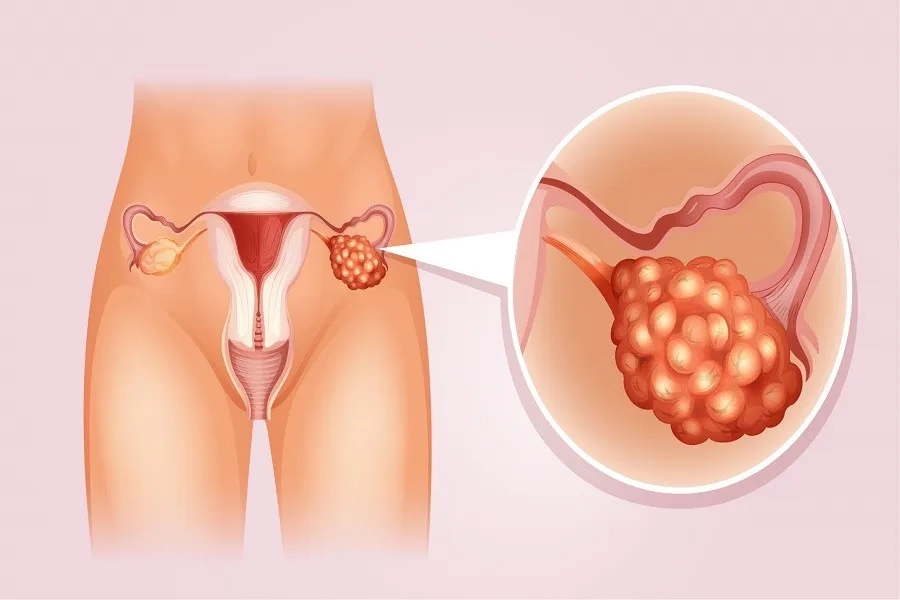
Understanding the Ovaries
The ovaries are two small, almond-shaped organs located on either side of the uterus.
They have several important functions, including:
-
Producing eggs for reproduction
-
Releasing hormones such as estrogen and progesterone
-
Supporting the menstrual cycle
Because the ovaries are deep within the pelvis, small tumors often do not cause noticeable symptoms at first.
What Is Ovarian Cancer?
Ovarian cancer occurs when abnormal cells in or around the ovary begin to grow uncontrollably.
There are several different types of ovarian cancer, including:
-
Epithelial ovarian cancer (the most common type)
-
Germ cell tumors
-
Sex cord-stromal tumors
Treatment and prognosis depend on:
-
Cancer type
-
Stage at diagnosis
-
Overall health
-
Individual treatment response
Why Early Detection Can Be Difficult
Unlike cervical cancer, there is currently no recommended routine screening test for ovarian cancer in women at average risk.
Additionally:
-
Early tumors are often small.
-
Symptoms may resemble common digestive or urinary problems.
-
Many women dismiss mild symptoms because they seem unrelated to the ovaries.
This makes awareness of persistent symptoms especially important.
1. Persistent Bloating
One of the most commonly reported symptoms is ongoing abdominal bloating.
Unlike temporary bloating after a large meal, concerning bloating may:
-
Occur almost daily
-
Persist for several weeks
-
Become progressively worse
-
Cause clothing to feel tighter
Many women describe feeling "full" even when they have not eaten much.
Because bloating is common and usually harmless, it becomes more concerning when it is persistent and unexplained.
2. Pelvic or Lower Abdominal Pain
Persistent discomfort or pain in the pelvis or lower abdomen may occur.
The pain may be:
-
Dull
-
Aching
-
Pressure-like
-
Intermittent
-
Constant
Many non-cancerous conditions can also cause pelvic pain, including:
-
Endometriosis
-
Ovarian cysts
-
Fibroids
-
Pelvic inflammatory disease
Medical evaluation is important if pain persists.
3. Feeling Full Quickly or Difficulty Eating
Some women notice they become full after eating only a small amount of food.
This symptom, known as early satiety, may be accompanied by:
-
Reduced appetite
-
Nausea
-
Unintentional weight loss
Although digestive disorders commonly cause these symptoms, persistent early satiety deserves medical attention.
4. Changes in Urinary Habits
Ovarian conditions may sometimes place pressure on the bladder.
Possible symptoms include:
-
Frequent urination
-
Urgent need to urinate
-
Feeling unable to completely empty the bladder
Urinary tract infections are a much more common cause of these symptoms, but persistent urinary changes without infection should be discussed with a healthcare provider.

5. Unexplained Fatigue
Persistent fatigue that does not improve with rest may occur in many chronic illnesses, including cancer.
You may notice:
-
Low energy
-
Reduced stamina
-
Difficulty performing normal activities
-
Feeling exhausted despite adequate sleep
Fatigue alone is not a sign of ovarian cancer, but when combined with other persistent symptoms, it warrants evaluation.
6. Changes in Bowel Habits
Some women experience digestive changes such as:
-
Constipation
-
Diarrhea
-
Increased gas
-
Feeling of incomplete bowel emptying
These symptoms are far more commonly caused by gastrointestinal conditions, but persistent changes should not be ignored.
7. Unexplained Weight Loss or Weight Gain
Unexpected changes in body weight may occur.
Weight loss may result from:
-
Reduced appetite
-
Increased energy demands of illness
Some women instead notice abdominal enlargement or weight gain due to:
-
Fluid accumulation (ascites)
-
Tumor growth
-
Persistent bloating
Any unexplained weight change deserves medical evaluation.
8. Back Pain
Persistent lower back pain can occur in many conditions.
In ovarian cancer, back pain may develop if the disease affects nearby tissues or if pelvic pressure changes posture.
More common causes include:
-
Muscle strain
-
Arthritis
-
Spinal disorders
Persistent back pain accompanied by pelvic symptoms should be discussed with a healthcare provider.
Other Symptoms That May Occur
Additional symptoms may include:
-
Pain during intercourse
-
Menstrual changes (before menopause)
-
Increased abdominal size
-
Nausea
-
Indigestion
-
General feeling of abdominal pressure
Again, these symptoms are not unique to ovarian cancer.
Who Is at Higher Risk?
Several factors can increase the risk of ovarian cancer.
These include:
-
Increasing age
-
Family history of ovarian cancer
-
Family history of breast cancer
-
Inherited BRCA1 or BRCA2 gene mutations
-
Lynch syndrome
-
Never having been pregnant (for some individuals)
-
Endometriosis (for certain ovarian cancer types)
Having one or more risk factors does not mean a woman will develop ovarian cancer.
Many women diagnosed with ovarian cancer have no obvious risk factors.
Factors That May Lower Risk
Research suggests certain factors may reduce the risk of ovarian cancer, including:
-
Pregnancy
-
Breastfeeding
-
Long-term use of combined oral contraceptives (for some women)
-
Removal of the fallopian tubes or ovaries in selected high-risk individuals
These decisions are highly individual and should always be discussed with a healthcare professional.
How Is Ovarian Cancer Diagnosed?
If ovarian cancer is suspected, your healthcare provider may recommend:
Pelvic Examination
A pelvic exam may identify enlarged ovaries or pelvic masses.
However, small tumors are often difficult to detect during a physical examination alone.
Pelvic Ultrasound
Ultrasound helps evaluate:
-
Ovarian size
-
Ovarian cysts
-
Solid masses
-
Fluid within the pelvis
Ultrasound cannot confirm whether a mass is cancerous.
Blood Tests
A blood test called CA-125 may be used in certain situations.
However:
-
It is not recommended as a screening test for women at average risk.
-
Elevated levels may occur in many non-cancerous conditions.
-
Some ovarian cancers do not produce elevated CA-125 levels.
Results must be interpreted alongside other clinical findings.
CT Scan or MRI
Imaging studies may provide additional information if an ovarian mass is found.
Biopsy or Surgery
The definitive diagnosis usually requires examination of tissue under a microscope.
Can Ovarian Cancer Be Prevented?
There is no guaranteed way to prevent ovarian cancer.
However, healthy lifestyle habits support overall health.
These include:
-
Maintaining a healthy weight
-
Staying physically active
-
Eating a balanced diet rich in fruits and vegetables
-
Avoiding smoking
-
Attending regular medical check-ups
Women with a strong family history should discuss genetic counseling with their healthcare provider.
Common Myths About Ovarian Cancer
Myth 1: Ovarian Cancer Has No Symptoms
Many women experience symptoms.
The challenge is that the symptoms are often subtle and easily mistaken for more common conditions.
Myth 2: Only Older Women Get Ovarian Cancer
Risk increases with age, but ovarian cancer can occur in younger women as well.
Myth 3: A Pap Test Detects Ovarian Cancer
Pap tests screen primarily for cervical cancer.
They do not screen for ovarian cancer.
Myth 4: Bloating Is Always a Digestive Problem
Persistent bloating has many possible causes.
If it is new, frequent, or accompanied by other concerning symptoms, medical evaluation is appropriate.
When Should You See a Doctor?
Arrange an appointment if symptoms:
-
Persist for more than a few weeks
-
Occur almost daily
-
Become progressively worse
-
Interfere with normal activities
Especially if you notice:
-
Persistent bloating
-
Pelvic pain
-
Feeling full quickly
-
Urinary changes
-
Unexplained weight loss
-
Increased abdominal size
Your healthcare provider can determine whether additional testing is appropriate.
When Is It an Emergency?
Seek immediate medical care if you experience:
-
Severe abdominal pain
-
Heavy vaginal bleeding
-
Fainting
-
Difficulty breathing
-
Persistent vomiting
-
Sudden abdominal swelling with severe pain
These symptoms may indicate a medical emergency unrelated to ovarian cancer and require prompt evaluation.
The Bottom Line
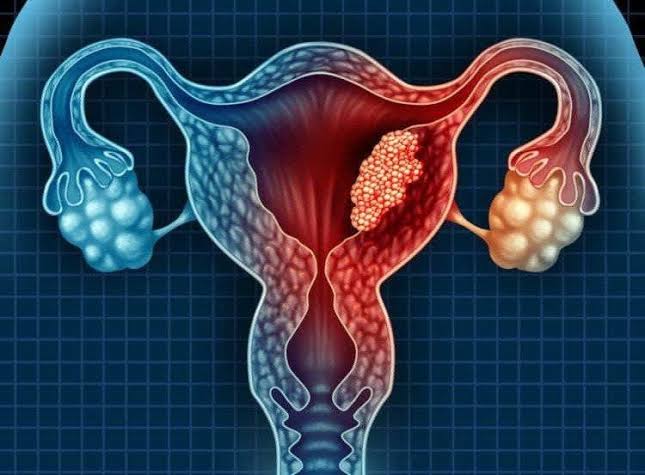
Ovarian cancer is often difficult to recognize early because its symptoms can resemble common digestive and urinary conditions. Persistent bloating, pelvic pain, feeling full quickly, urinary changes, fatigue, bowel habit changes, unexplained weight changes, and ongoing back pain are among the symptoms that may warrant medical attention if they are new, frequent, or worsening.
These symptoms do not necessarily mean ovarian cancer is present, but they should not be dismissed if they persist.
Final Thoughts
Knowing your body and paying attention to persistent changes is one of the most valuable steps you can take for your health. While ovarian cancer is relatively uncommon compared with many other causes of bloating or pelvic discomfort, early evaluation of ongoing symptoms can help identify not only ovarian cancer but also many other treatable conditions.
Regular gynecologic care, awareness of your personal and family medical history, and open communication with your healthcare provider are all important parts of maintaining reproductive health. If something doesn't feel right and your symptoms continue despite time or simple lifestyle changes, don't hesitate to seek medical advice. Early assessment offers the best opportunity to determine the cause and begin appropriate treatment if needed.