Lavender has long been admired for its beautiful purple flowers, calming fragrance, and versatility. For centuries, it has been used in traditional herbal practices, perfumes, cosmetics, culinary dishes, and aromatherapy. Today, lavender remains one of the most popular medicinal plants worldwide, with researchers continuing to explore its potential effects on relaxation, sleep, mood, and overall well-being.
The most commonly used species is Lavandula angustifolia, often referred to as English lavender. Its flowers contain aromatic compounds such as linalool and linalyl acetate, which are believed to contribute to many of lavender's characteristic properties.
While traditional use and early scientific research suggest that lavender may offer several health benefits, it is important to understand that the strength of evidence varies depending on the condition being studied. Lavender should be viewed as a complementary approach to health—not as a replacement for evidence-based medical treatment.
Here's what current research tells us.
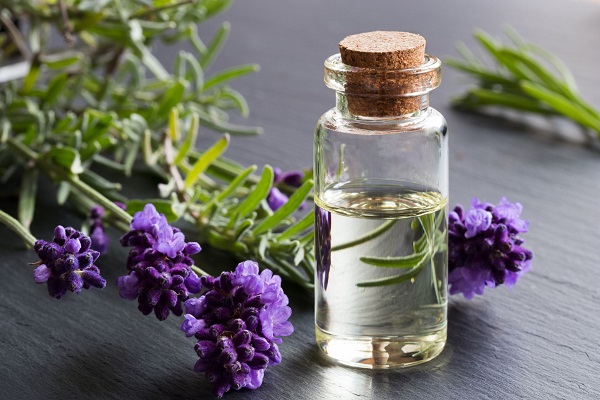
What Is Lavender?
Lavender is a flowering plant belonging to the mint family (Lamiaceae).
It is commonly used in several forms, including:
-
Fresh or dried flowers
-
Essential oil
-
Herbal tea
-
Capsules and supplements
-
Bath products
-
Skin care products
-
Aromatherapy preparations
Each form may have different uses, and research findings for one preparation do not necessarily apply to another.
Key Active Compounds
Lavender contains numerous naturally occurring plant compounds.
Among the best studied are:
-
Linalool
-
Linalyl acetate
-
Camphor (in some lavender species)
-
Flavonoids
-
Polyphenols
-
Tannins
Researchers believe these compounds contribute to lavender's fragrance and many of its biological effects.
1. May Promote Relaxation
One of lavender's best-supported traditional uses is promoting relaxation.
Several studies suggest that inhaling lavender essential oil may help people feel calmer in certain situations.
For example, lavender aromatherapy has been studied in:
-
Hospitals
-
Dental clinics
-
Nursing homes
-
Before minor medical procedures
While results vary, some people report feeling more relaxed after exposure to lavender aroma.
However, aromatherapy should not replace professional treatment for anxiety disorders.
2. May Support Better Sleep
Lavender is frequently included in bedtime routines.
Research suggests that lavender aromatherapy may improve certain aspects of sleep quality for some individuals, particularly those experiencing mild sleep disturbances.
Possible bedtime uses include:
-
Diffusing lavender essential oil
-
Using a lavender pillow sachet
-
Drinking caffeine-free herbal lavender tea as part of a relaxing evening routine
Sleep quality is also strongly influenced by:
-
Consistent sleep schedules
-
Limiting screen time before bed
-
Reducing caffeine late in the day
-
Creating a comfortable sleep environment
3. May Help Ease Everyday Stress
Stress is a normal part of life, but chronic stress can affect both physical and mental well-being.
Some studies suggest lavender aroma may help reduce feelings of temporary stress in certain settings.
Researchers believe compounds such as linalool may interact with pathways involved in the body's stress response.
However, more high-quality research is needed to better understand these effects.
4. May Offer Mild Support for Headache Comfort
Lavender has traditionally been used to help ease headaches.
Some small studies have explored inhaled lavender essential oil for certain types of headaches, including tension headaches and migraine.
Although early findings are promising, current evidence is limited, and lavender should not replace medical evaluation for frequent or severe headaches.
Persistent or sudden headaches require professional medical assessment.
5. May Support Muscle Relaxation
Many massage oils contain lavender essential oil.
Massage itself can promote relaxation, and some people enjoy the calming scent of lavender during massage therapy.
It remains difficult to determine whether any perceived benefits come from:
-
Massage
-
Lavender aroma
-
Essential oil
-
A combination of these factors
Current evidence does not establish lavender as a treatment for muscle injuries or chronic pain.
6. May Support Skin Health
Lavender is widely used in soaps, lotions, creams, and cosmetic products.
Laboratory studies suggest lavender essential oil has antimicrobial and antioxidant properties.
However, evidence for treating skin conditions in humans remains limited.
Anyone applying essential oils directly to the skin should dilute them appropriately, as concentrated oils may cause irritation.
7. Rich in Aromatic Plant Compounds
Lavender contains naturally occurring antioxidants and aromatic compounds that continue to be studied.
These compounds may help protect plant cells and contribute to lavender's fragrance.
Scientists continue investigating how these substances may influence human health.
8. May Enhance Overall Well-Being
Many people simply enjoy the pleasant scent of lavender.
Whether through aromatherapy, gardening, herbal tea, or relaxing bath products, lavender can become part of a calming self-care routine.
Although the effects vary from person to person, establishing healthy relaxation habits may support overall well-being.
How Can You Use Lavender?
Lavender can be incorporated into daily life in many ways.
Common options include:
Aromatherapy
Diffusing lavender essential oil is one of the most popular methods.
Herbal Tea
Lavender tea is naturally caffeine-free and is often enjoyed in the evening.
Bath Products
Lavender bath salts and bath oils may help create a relaxing environment.
Culinary Uses
Small amounts of culinary-grade lavender can be used in:
-
Herbal teas
-
Baked goods
-
Honey
-
Lemonade
-
Desserts
Only culinary-grade lavender should be used in food.
Garden Plant
Growing lavender adds fragrance and attracts pollinators such as bees and butterflies.
Is Lavender Safe?
For most healthy adults, lavender is generally considered safe when used appropriately.
However, there are important precautions.
Consult your healthcare provider before using lavender products if you:
-
Are pregnant or breastfeeding.
-
Take medications that cause drowsiness.
-
Have allergies to plants in the mint family.
-
Plan to use concentrated supplements.
Essential oils should not be swallowed unless under medical supervision.
Undiluted essential oils should not be applied directly to the skin.
Common Myths About Lavender
Myth: Lavender cures anxiety.
Fact: Some studies suggest lavender aromatherapy may promote relaxation, but it is not a cure for anxiety disorders.
Myth: Lavender eliminates chronic pain.
Fact: Evidence supporting lavender for chronic pain remains limited.
Myth: More lavender always provides greater benefits.
Fact: More is not necessarily better. Essential oils are highly concentrated and should be used carefully.
Myth: Natural products are always completely safe.
Fact: Herbal products can cause allergic reactions, skin irritation, or interact with medications in some individuals.
Tips for Using Lavender Wisely
If you enjoy lavender, consider these practical tips:
-
Choose high-quality products from reputable sources.
-
Dilute essential oils before applying them to the skin.
-
Use lavender as part of a broader relaxation routine rather than relying on it alone.
-
Combine aromatherapy with healthy sleep habits and stress-management techniques.
-
Stop using lavender products if irritation or allergic reactions occur.
Remember that no single herb can replace a healthy lifestyle.
:quality(75)/y_nghia_hoa_Lavender_605ed96240.png)
The Bottom Line
Lavender has been used for centuries in traditional herbal practices and remains one of the most widely studied plants in aromatherapy. Research suggests that lavender may help promote relaxation, improve sleep quality for some individuals, ease temporary stress, and contribute to a sense of overall well-being. Early studies have also explored its potential role in supporting headache comfort, muscle relaxation, and skin health, although stronger clinical evidence is still needed.
For most healthy adults, lavender can be a pleasant and generally safe addition to a balanced lifestyle when used appropriately. Whether enjoyed as a fragrant garden plant, herbal tea, aromatherapy, or a culinary ingredient, lavender offers a variety of traditional and potential benefits. However, it should not be considered a cure for medical conditions or a substitute for professional healthcare. The strongest foundation for long-term health remains a nutritious diet, regular physical activity, quality sleep, stress management, and appropriate medical care when needed.