Mice don’t need an invitation - they just need an opening, a food source, and a place to hide. Once inside, they reproduce quickly and can contaminate food, damage wiring, and spread disease. The good news is you don’t need complicated or expensive solutions. If you handle the fundamentals correctly, you can make your home structurally unattractive to mice.
Here are three straightforward, high-impact methods that actually work.
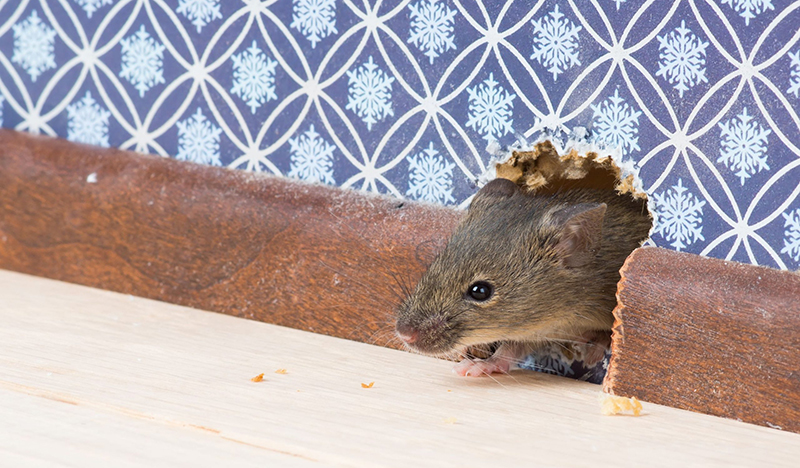
1. Seal Every Possible Entry Point (Stop Them Before They Enter)
This is the most important step and the one people underestimate the most.
A mouse can squeeze through a hole as small as 6–7 mm (roughly the size of a pencil). That means tiny cracks you ignore are basically open doors.
Where to check:
- Gaps around doors and windows
- Cracks in walls and foundations
- Openings around pipes, cables, and vents
- Roof edges and attic spaces
What to use:
- Steel wool (mice can’t chew through it easily)
- Caulk or sealant for small cracks
- Metal mesh for larger holes
- Door sweeps for gaps under doors
Why this works:
Mice don’t randomly appear—they follow scent trails and entry routes. If you cut off access, you break the entire cycle before it starts.
2. Eliminate Food Sources (Make Your Home Unrewarding)
Mice stay where food is easy. If your house offers zero reward, they move on.
Common mistakes:
- Leaving crumbs on floors or counters
- Storing food in thin plastic bags
- Leaving pet food out overnight
- Not sealing trash properly
What to do instead:
- Store food in airtight containers (glass or hard plastic)
- Clean kitchen surfaces daily
- Take out trash regularly
- Keep pet food sealed when not in use
Why this works:
Mice are survival-driven. No food = no reason to stay. Even small crumbs can sustain them, so consistency matters more than occasional cleaning.

3. Remove Hiding Spots (Destroy Their Comfort Zone)
Mice don’t just need food—they need safe shelter.
If your home has clutter, dark corners, or unused storage areas, it becomes the perfect nesting environment.
High-risk areas:
- Basements
- Attics
- Storage rooms
- Behind appliances
- Closets with piles of items
What to do:
- Declutter regularly
- Use sealed storage boxes instead of cardboard
- Keep items off the floor when possible
- Clean rarely-used areas monthly
Why this works:
Even if a mouse enters, it won’t stay long if it can’t find a secure place to hide and reproduce.
Bonus: Signs You Might Already Have Mice
Even with prevention, it’s smart to stay alert.
Look for:
- Small black droppings
- Scratching noises at night
- Chewed wires or packaging
- A musty, unpleasant smell
If you notice these early, you can act before it becomes an infestation.
What Not to Rely On
Let’s be real—some popular “tips” don’t work well long-term:
- Ultrasonic repellents → inconsistent results
- Random home remedies → temporary at best
- Ignoring the problem → guarantees it gets worse
Prevention always beats reaction.

Final Take
Keeping your house mouse-free isn’t about tricks - it’s about control:
- Control access
- Control food
- Control environment
Do these three things consistently, and mice simply won’t see your home as a viable place to live.
If needed, you can describe your house layout (apartment, ground floor, near fields, etc.), and I’ll point out exactly where your biggest risk areas are and how to fix them efficiently.