Pain on the left side of the body can have many possible causes. Sometimes it comes from something as simple as muscle strain, gas, or poor posture. In other cases, left-sided pain can involve organs such as the heart, lungs, stomach, pancreas, spleen, kidneys, or intestines. The location, severity, duration, and accompanying symptoms all matter when deciding whether the pain can be monitored or needs medical attention.
Left-sided pain is not a diagnosis by itself.
It is a description of where something hurts.
That distinction is important because the left side of the body contains many different structures. Pain near the ribs is not necessarily coming from the same place as pain in the lower abdomen, back, or chest.
Even the same type of pain can have different explanations.
A sharp pain that appears when you twist may have a musculoskeletal cause.
A burning sensation after eating could involve the digestive system.
A sudden pressure in the chest accompanied by shortness of breath requires a completely different level of concern.
Understanding the pattern is therefore much more useful than simply asking, “Why does my left side hurt?”

1. Muscle Strain Can Cause Localized Left-Sided Pain
One of the most common explanations for pain on one side of the body is a muscle strain.
This can happen after:
-
Lifting something heavy
-
Exercising
-
Twisting suddenly
-
Reaching awkwardly
-
Coughing repeatedly
-
Performing unfamiliar physical activity
-
Spending hours in an unusual posture
Musculoskeletal pain often becomes more noticeable when you move the affected area.
You may feel tenderness when pressing on the area, and certain movements may reproduce the discomfort.
For example, pain along the left side of the ribs after an intense workout may be related to the muscles between the ribs or other nearby tissues.
If the pain is clearly connected to movement and gradually improves with rest, a muscle-related explanation becomes more plausible.
However, severe or persistent pain should not automatically be attributed to a strain simply because you recently exercised.
2. Gas and Digestive Problems Can Cause Left-Sided Pain
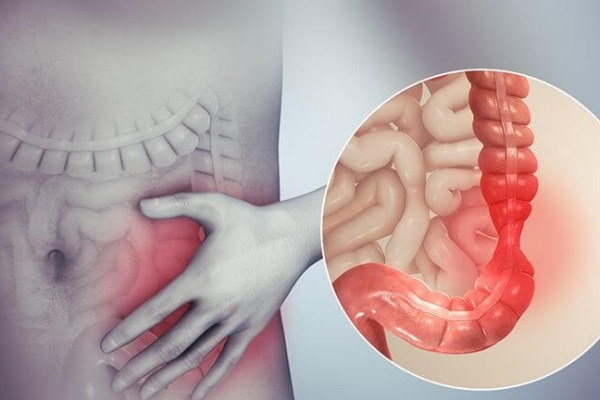
The digestive system occupies a large portion of the abdomen, and trapped gas can sometimes create surprisingly sharp or uncomfortable pain.
The left upper abdomen, in particular, can be affected by gas in the colon.
Digestive causes may produce:
-
Cramping
-
Bloating
-
A feeling of fullness
-
Burping
-
Changes in bowel movements
-
Pain that comes and goes
Certain foods, constipation, food intolerance, and changes in eating patterns can all contribute.
Sometimes the discomfort improves after passing gas or having a bowel movement.
That can be reassuring, but persistent or severe abdominal pain still deserves attention, especially if it is accompanied by vomiting, fever, bleeding, or significant changes in bowel habits.
3. Constipation Can Create Pressure and Pain
Constipation can cause abdominal discomfort, bloating, and a feeling of pressure.
The pain may be felt more strongly on one side depending on where stool is accumulating.
You may also notice:
-
Fewer bowel movements
-
Hard or dry stools
-
Straining
-
A feeling of incomplete emptying
-
Abdominal bloating
Increasing dietary fiber, drinking adequate fluids, and maintaining regular physical activity can help many people with ordinary constipation.
But severe pain combined with vomiting, abdominal swelling, inability to pass stool or gas, or rapidly worsening symptoms requires prompt medical evaluation.
4. Kidney Problems Can Cause Pain in the Left Side or Back
The kidneys sit toward the back of the abdomen, beneath the lower ribs.
Problems involving the left kidney can cause pain in the flank, which is the area between the upper abdomen and the back.
A kidney stone may produce severe, cramping pain that can travel toward the groin.
Other symptoms can include:
-
Nausea
-
Vomiting
-
Blood in the urine
-
Painful urination
-
Frequent urination
A kidney infection may cause pain in the side or back along with fever, chills, urinary symptoms, or feeling generally unwell.
Severe flank pain, fever, vomiting, or blood in the urine should be medically evaluated.
5. Urinary Problems Can Sometimes Be Felt on the Left Side
Not all urinary problems cause obvious bladder symptoms.
Pain in the side, lower abdomen, or back can sometimes accompany urinary tract problems.
A urinary tract infection may cause:
-
Burning during urination
-
Frequent urination
-
Urgency
-
Lower abdominal discomfort
If an infection spreads toward the kidneys, symptoms may become more severe and include flank pain, fever, chills, nausea, or vomiting.
That's one reason urinary symptoms combined with significant side or back pain shouldn't be ignored.
6. Stomach Problems May Cause Pain in the Left Upper Abdomen
The stomach is located primarily on the left side of the upper abdomen.
Conditions such as indigestion, gastritis, reflux, or peptic ulcer disease can therefore sometimes produce discomfort in this area.
You might experience:
-
Burning
-
Gnawing discomfort
-
Fullness
-
Nausea
-
Pain related to meals
However, upper abdominal pain can overlap with symptoms from other organs.
That means location alone cannot establish the cause.
If the pain is severe, persistent, associated with vomiting blood, black stools, fainting, or significant weakness, urgent evaluation is necessary.
7. The Pancreas Can Cause Upper Abdominal Pain That Travels to the Back
The pancreas sits deep inside the upper abdomen.
Inflammation of the pancreas, known as pancreatitis, can cause significant upper abdominal pain that may extend toward the back.
Other symptoms may include:
-
Nausea
-
Vomiting
-
Fever
-
Abdominal tenderness
-
Feeling very unwell
Pancreatitis can have several causes and may require hospital treatment.
Severe, persistent upper abdominal pain—especially when accompanied by vomiting or significant illness—should not be managed as ordinary indigestion.
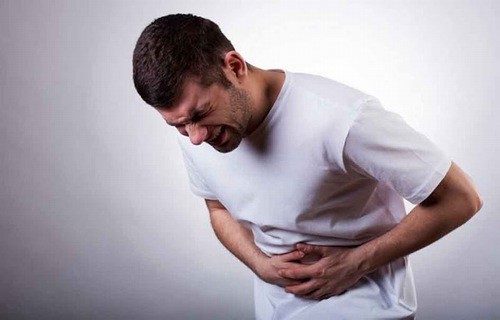
8. The Spleen Is Located on the Left Side
The spleen sits beneath the left side of the rib cage.
Problems involving the spleen are less common than ordinary digestive or musculoskeletal causes, but they can be important.
An enlarged spleen may produce discomfort or a feeling of fullness beneath the left ribs.
A traumatic injury can also damage the spleen and cause internal bleeding.
This is particularly important after a significant blow to the abdomen or left side of the body.
Severe left upper abdominal pain after an injury, especially with dizziness, fainting, weakness, or rapid heartbeat, requires emergency medical attention.
9. Left-Sided Chest Pain Can Involve the Heart
This is the warning sign that should never be casually dismissed.
Not all heart-related pain is located precisely over the heart.
A heart attack can cause pressure, heaviness, squeezing, burning, or discomfort in the chest that may spread to the:
-
Left arm
-
Right arm
-
Shoulder
-
Jaw
-
Back
-
Upper abdomen
Some people, particularly older adults and people with diabetes, may experience less typical symptoms such as unusual fatigue, nausea, sweating, or shortness of breath.
Chest pain is not automatically a heart attack.
It can result from muscle strain, reflux, anxiety, lung problems, and other conditions.
But because the consequences of missing a cardiac emergency can be severe, new or unexplained chest pressure or pain—especially with shortness of breath, sweating, nausea, fainting, or pain spreading to the arm or jaw—requires emergency medical evaluation.
10. Lung Problems Can Cause Pain on the Left Side
The lungs and surrounding tissues can also produce one-sided chest or upper-body pain.
For example, inflammation of the lining around the lungs can cause sharp pain that becomes worse when taking a deep breath or coughing.
A respiratory infection may cause chest discomfort along with:
-
Cough
-
Fever
-
Shortness of breath
-
Fatigue
A blood clot in the lung, known as a pulmonary embolism, can also cause sudden chest pain and shortness of breath and is a medical emergency.
If chest pain appears suddenly with significant breathing difficulty, rapid heartbeat, fainting, or coughing up blood, seek emergency care immediately.
11. Nerve Pain Can Feel Sharp, Burning, or Electric
Sometimes left-sided pain comes from irritated nerves rather than organs or muscles.
Nerve-related pain may feel:
-
Burning
-
Tingling
-
Shooting
-
Electric
-
Numb
-
Extremely sensitive to touch
A compressed nerve in the back or neck may produce pain that travels along a particular path.
Shingles can also cause burning or painful sensitivity on one side of the body, sometimes before the characteristic rash appears.
If a painful one-sided rash develops, particularly with blisters, medical evaluation is appropriate.
12. Back Problems Can Radiate to the Left Side
A problem in the spine or surrounding muscles can produce pain in the lower back, side, hip, or buttock.
A herniated disc or irritated nerve may cause pain that travels into the leg.
You may also experience:
-
Numbness
-
Tingling
-
Weakness
-
Pain that worsens with certain positions
Most back pain is not an emergency, but severe pain accompanied by loss of bladder or bowel control, numbness around the groin, or significant leg weakness requires urgent evaluation.
13. Skin and Surface Tissues Can Also Be Responsible
Sometimes the explanation is much closer to the surface.
A bruise, inflamed skin, insect bite, infection, or irritation can cause localized pain on the left side.
Pain that is clearly connected to touching or pressing the skin may be more likely to involve superficial tissues.
However, if the area becomes increasingly red, swollen, hot, or painful, particularly with fever, an infection may be developing.
14. Anxiety Can Cause Real Physical Pain
Stress and anxiety can produce genuine physical symptoms.
Muscle tension can cause pain in the chest, back, shoulders, or abdomen.
Rapid breathing during a panic episode can produce chest tightness, dizziness, tingling, or a feeling of not getting enough air.
But there is an important caution:
New chest or abdominal pain should not automatically be labeled anxiety without considering other possible causes.
Anxiety can coexist with medical conditions.
If symptoms are new, severe, or different from your usual anxiety symptoms, appropriate medical assessment is important.
How the Location of Pain Can Help
The left side of the body is too large to treat as one single anatomical area.
Think about exactly where the pain is located.
Left upper chest
Potential causes include muscle strain, reflux, lung conditions, or heart-related problems.
Left upper abdomen
Potential causes include the stomach, pancreas, spleen, colon, or abdominal muscles.
Left lower abdomen
Potential causes include the colon, urinary tract, reproductive organs, or abdominal wall.
Left flank
Potential causes include kidney problems, muscles, nerves, or the spine.
Left lower back
Potential causes include muscles, spinal structures, kidneys, or nerve irritation.
Location can provide a useful clue—but it is only one part of the evaluation.
The Character of the Pain Matters Too
Doctors often ask what the pain actually feels like.
Is it:
Sharp?
Dull?
Burning?
Cramping?
Pressure-like?
Stabbing?
Constant?
Coming in waves?
Pain that comes in waves may have a different set of possible causes than constant soreness.
Pain triggered by movement may suggest a musculoskeletal problem.
Pain that occurs after meals may suggest a digestive connection.
Sudden pressure in the chest accompanied by sweating and shortness of breath requires a completely different response.
When Should You Seek Emergency Care?
Some forms of left-sided pain should not be watched at home.
Seek emergency medical attention for new or severe chest pain, especially when accompanied by:
-
Shortness of breath
-
Sweating
-
Nausea or vomiting
-
Fainting
-
Severe weakness
-
Pain spreading to the arm, jaw, shoulder, or back
Emergency evaluation is also important for severe abdominal pain associated with:
-
Repeated vomiting
-
Significant bleeding
-
A rigid or severely swollen abdomen
-
Fainting
-
Severe weakness
-
High fever
And sudden severe flank pain accompanied by fever, vomiting, or other serious symptoms should also be evaluated promptly.
What If the Pain Is Mild?
Mild pain with an obvious explanation can sometimes be monitored.
For example, soreness after unfamiliar exercise may improve with rest and gradual recovery.
Simple digestive discomfort may resolve after changes in eating or bowel habits.
But pain that persists, repeatedly returns, or gradually worsens deserves further evaluation.
A useful rule is:
Don't focus only on how severe the pain is. Pay attention to how it behaves over time.
A mild symptom that persists for weeks may deserve more attention than a brief discomfort that disappears within a few hours.
Keep Track of Patterns
If left-sided pain keeps returning, write down a few details.
Record:
When it starts
How long it lasts
What you were doing beforehand
What you ate
Whether movement makes it better or worse
Whether breathing affects it
Any associated symptoms
Any medications you're taking
This information can help a healthcare professional identify patterns that may not be obvious from memory alone.
The Bottom Line
Left-sided pain can come from many different parts of the body.
Muscles, nerves, digestive organs, kidneys, lungs, spleen, and the heart can all produce symptoms in or around the left side, depending on the location.
Many causes are relatively minor, including muscle strain, gas, constipation, or temporary digestive problems.
But some patterns require immediate attention.
New or unexplained chest pain, particularly when accompanied by shortness of breath, sweating, nausea, fainting, or pain spreading to the arm or jaw, should be treated as an emergency.
Similarly, severe abdominal pain, significant bleeding, sudden severe flank pain, or serious symptoms after an injury should not be ignored.
Most importantly, don't try to diagnose left-sided pain based on location alone.
The location, quality, duration, associated symptoms, medical history, and physical examination all matter.
Sometimes the cause is simple.
Sometimes it needs testing.
And sometimes getting medical help quickly can make a critical difference.