Leg pain at night can be easy to dismiss. Maybe you walked more than usual, spent hours standing, exercised too hard, or simply slept in an awkward position.
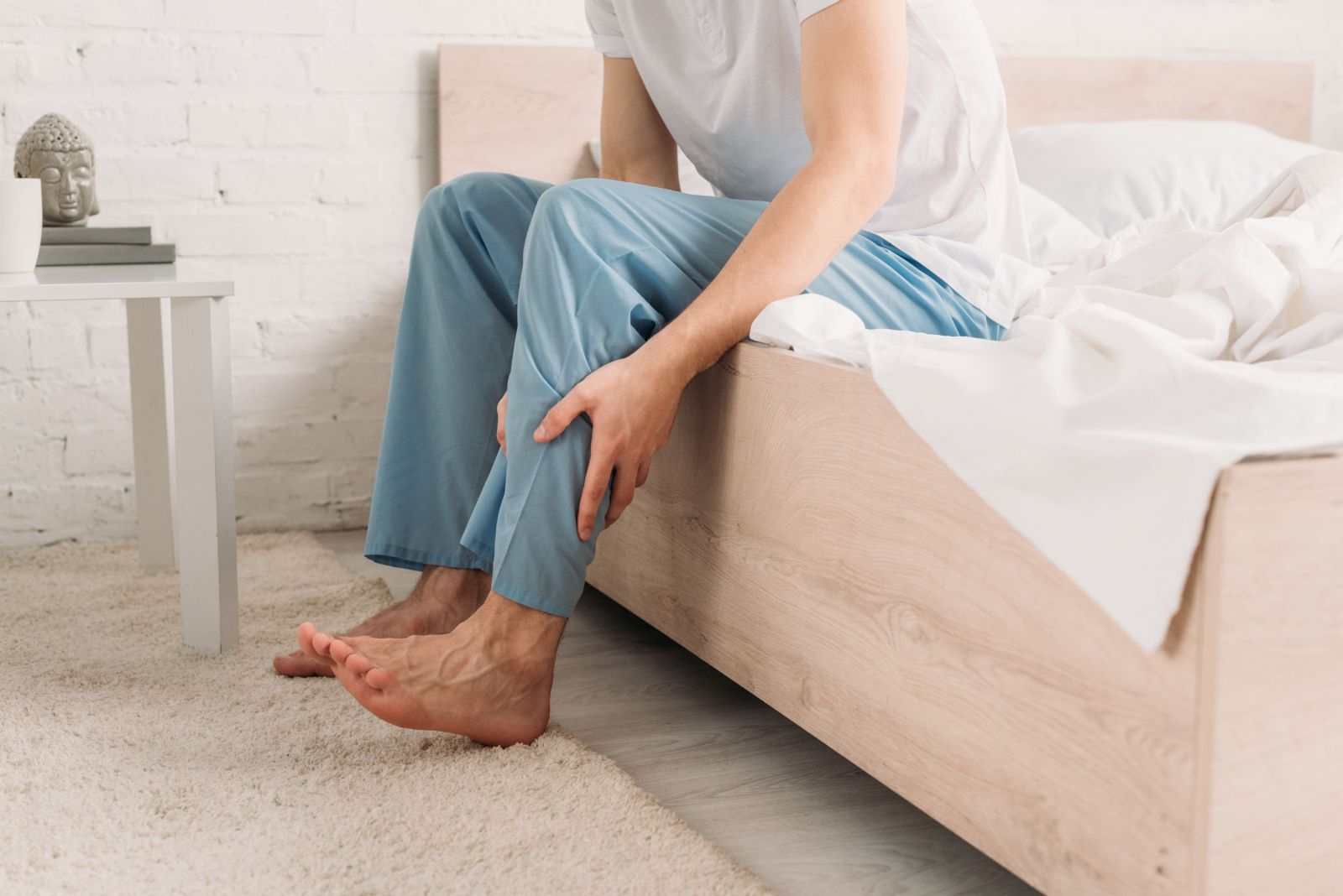
But when leg or foot discomfort repeatedly appears at night - especially when it improves after you change position or let your legs hang down - it may be worth taking a closer look.
One possible explanation is peripheral artery disease (PAD), a condition in which narrowed arteries reduce blood flow to the legs and feet. In more advanced cases, reduced circulation can cause pain even while you're resting or sleeping.
However, nighttime leg pain has many possible causes. Muscle cramps, nerve problems, arthritis, restless legs syndrome, medications, and vein-related conditions can all produce similar symptoms.
The key is recognizing patterns and accompanying signs rather than assuming every nighttime ache means blocked arteries.

Why Can Circulation Problems Cause Leg Pain?
Your legs need a constant supply of oxygen-rich blood.
Arteries carry blood from the heart toward the muscles and tissues. When arteries become narrowed by plaque buildup, blood flow may become insufficient, particularly when the muscles need more oxygen.
This condition is known as peripheral artery disease.
PAD most commonly affects the arteries supplying the:
-
Thighs
-
Calves
-
Ankles
-
Feet
One of the classic symptoms is claudication—pain or cramping that develops during walking or exercise and improves after resting.
As arterial disease becomes more severe, symptoms can sometimes occur even when you're not active.
1. Leg Pain That Appears While You're Resting
This is one of the symptoms that deserves particular attention.
Early PAD often causes discomfort during physical activity because exercising muscles need more blood.
But advanced circulation problems can cause pain while sitting, lying down, or sleeping.
This is sometimes called rest pain.
It may feel like:
-
Aching
-
Burning
-
Cramping
-
Throbbing
-
A deep discomfort in the foot or lower leg
Rest pain related to severe arterial disease often affects the feet or toes and can become more noticeable at night.
2. Pain That Gets Worse When You Lie Down
Some people with severe peripheral arterial disease notice that symptoms become more intense after going to bed.
Why?
When you're standing, gravity helps blood move toward the lower extremities.
When you lie flat, that gravitational assistance disappears.
In someone with severely restricted arterial blood flow, this change can contribute to worsening symptoms.
A person may repeatedly wake up and discover that sitting up or dangling the leg over the side of the bed provides some relief.
This pattern can be an important clue.
3. Relief When You Let Your Legs Hang Down
If nighttime foot or leg pain repeatedly improves when you:
-
Sit up
-
Stand
-
Walk briefly
-
Dangle your feet over the edge of the bed
it's worth discussing with a healthcare professional.
In severe PAD, lowering the leg can temporarily improve blood flow because gravity assists arterial perfusion.
Some people develop a habit of sleeping in a chair or with their legs lowered because lying flat makes the pain worse.
That pattern is different from ordinary muscle soreness.
4. Cold Feet May Accompany Poor Arterial Circulation
Another possible sign is that one foot or both feet feel unusually cold.
Of course, feet can become cold for completely normal reasons.
Cold weather, thin socks, air conditioning, and reduced activity can all lower skin temperature.
But persistent or significant coldness—especially when one foot is noticeably colder than the other—can be concerning.
A circulation problem may reduce the amount of warm blood reaching the tissues.
5. Skin Color May Change
Reduced arterial blood flow can sometimes affect the appearance of the skin.
Depending on the severity and position of the leg, the foot may appear:
-
Pale
-
Bluish
-
Reddish
-
Shiny
-
Unusually dark
A particularly concerning pattern is a foot that becomes pale when elevated and turns reddish or purplish when lowered.
This can occur in advanced arterial disease.
However, skin color changes have many possible causes, so they should be evaluated in context.
6. Wounds That Heal Slowly
Your tissues need adequate blood flow to receive oxygen and nutrients and to repair themselves.
If circulation is significantly impaired, even a small injury to the foot may take unusually long to heal.
You might notice:
-
A cut that remains open
-
A blister that doesn't improve
-
A recurring sore
-
A wound that becomes increasingly painful
-
An ulcer on the foot or toes
Slow-healing wounds are particularly important in people with diabetes, because diabetes can affect both circulation and nerve function.
7. Numbness or Weakness in the Feet
Circulation problems can sometimes occur alongside sensations such as:
-
Numbness
-
Tingling
-
Weakness
-
Reduced sensitivity
However, nerve disorders are also very common causes of these symptoms.
For example, diabetes can cause peripheral neuropathy, while a compressed nerve in the back can cause pain, numbness, or weakness extending into the leg.
This is why symptoms need to be evaluated rather than attributed automatically to blocked arteries.
8. Leg Pain While Walking Is a Classic PAD Symptom
Although this article focuses on nighttime symptoms, one of the most recognizable signs of PAD actually occurs during activity.
You may experience:
Calf pain after walking a certain distance that improves after resting.
Then, after walking again, the pain returns.
This pattern is called intermittent claudication.
It can occur in the:
-
Calves
-
Thighs
-
Buttocks
-
Feet
depending on where the arterial narrowing occurs.
If this pattern repeatedly happens, schedule a medical evaluation.
9. One Leg May Be More Affected Than the Other
PAD can affect both legs, but symptoms don't necessarily appear equally.
You might notice:
-
One foot feels colder
-
One calf becomes painful sooner
-
One side looks paler
-
One foot has weaker pulses
-
One leg develops wounds more slowly
Asymmetry is useful information for a healthcare professional.
10. Reduced Hair Growth on the Lower Legs
People sometimes notice that hair on their lower legs becomes thinner.
Severe arterial insufficiency can reduce blood flow to the skin and hair follicles, potentially contributing to decreased hair growth.
But hair loss has many other causes.
It can result from:
-
Aging
-
Hormonal changes
-
Thyroid problems
-
Nutritional deficiencies
-
Skin conditions
-
Certain medications
So reduced leg hair by itself isn't enough to diagnose PAD.
11. Shiny or Thin-Looking Skin
Advanced circulation problems can cause changes in the skin.
The skin may appear:
-
Smooth
-
Shiny
-
Thin
-
Dry
-
Fragile
These changes occur because tissues aren't receiving adequate blood supply.
But similar appearances can occur with aging and other skin conditions.
The combination of skin changes with pain, coldness, color changes, or poor wound healing is more concerning.
12. Changes in the Toenails
Poor circulation may also affect the growth of toenails.
Nails can become:
-
Slow-growing
-
Brittle
-
Thickened
-
Abnormally shaped
Again, nail changes aren't specific to PAD.
Fungal infections, trauma, aging, and nutritional issues can cause similar problems.
But persistent nail changes alongside other circulation symptoms should be discussed with a clinician.
13. Why Diabetes Makes Leg Symptoms More Important
Diabetes significantly increases the risk of peripheral artery disease.
It can also damage nerves, causing diabetic peripheral neuropathy.
This combination can be particularly dangerous.
A person may have reduced blood flow while simultaneously having reduced sensation.
That means a small blister or cut may go unnoticed and heal poorly.
People with diabetes should pay close attention to:
-
New foot wounds
-
Color changes
-
Swelling
-
Temperature differences
-
Numbness
-
Persistent pain
Regular foot examinations are important.
14. Smoking Is a Major Risk Factor
Smoking damages blood vessels and substantially increases the risk of PAD.
Tobacco exposure contributes to:
-
Arterial inflammation
-
Plaque formation
-
Blood-vessel dysfunction
-
Reduced oxygen delivery
If you smoke and experience recurring leg pain, cold feet, or walking-related cramping, medical evaluation is especially important.
Quitting smoking is one of the most effective ways to reduce cardiovascular risk.
15. High Cholesterol Can Contribute
High levels of LDL cholesterol can contribute to the development of atherosclerosis, the buildup of fatty plaques inside arteries.
Atherosclerosis can affect arteries throughout the body.
It may contribute to:
-
Coronary artery disease
-
Stroke
-
Peripheral artery disease
That's why leg circulation problems shouldn't be considered completely separate from heart health.
PAD can be a marker of broader cardiovascular disease.
16. High Blood Pressure Also Matters
Long-term high blood pressure can damage blood vessels and contribute to atherosclerosis.
If you have hypertension along with diabetes, smoking history, or high cholesterol, your overall risk of PAD may be higher.
Managing blood pressure is therefore an important part of protecting circulation.
17. Age Can Increase the Risk
PAD becomes more common with increasing age.
However, it isn't simply an inevitable consequence of getting older.
Risk is strongly influenced by factors such as:
-
Smoking
-
Diabetes
-
High blood pressure
-
High cholesterol
-
Physical inactivity
-
Cardiovascular disease
Healthy lifestyle choices can reduce risk.

18. Not All Nighttime Leg Pain Comes From Arteries
This is extremely important.
There are many other causes of nighttime leg pain.
For example:
Muscle cramps
Sudden, painful tightening of a muscle—often the calf—can occur at night.
Restless legs syndrome
This causes an urge to move the legs, often accompanied by uncomfortable sensations that worsen during periods of rest.
Peripheral neuropathy
Nerve damage can cause burning, tingling, or electric-like pain.
Arthritis
Joint inflammation can cause pain that becomes noticeable at night.
Muscle overuse
Heavy exercise or prolonged standing can lead to soreness.
Medication effects
Some medications can contribute to muscle symptoms.
So nighttime pain doesn't automatically mean blocked arteries.
19. How PAD Pain Differs From a Typical Muscle Cramp
A muscle cramp often:
-
Begins suddenly
-
Causes intense tightening
-
Lasts seconds to minutes
-
Produces a visibly or palpably contracted muscle
-
Resolves after the muscle relaxes
PAD-related rest pain is generally different.
It may feel more like:
-
Persistent aching
-
Burning
-
Deep discomfort
-
Pain in the foot or toes
and may recur repeatedly at night.
A healthcare professional can help distinguish between these possibilities.
20. Restless Legs Syndrome Is Another Common Cause
Restless legs syndrome causes an uncomfortable urge to move the legs.
Symptoms often:
-
Occur while sitting or lying down
-
Become worse at night
-
Improve temporarily with movement
That can sound similar to circulation-related symptoms.
But the underlying mechanism is different.
Restless legs syndrome is a neurological condition, and it may be associated with iron deficiency and other factors.
21. Nerve Pain Can Feel Worse at Night
Neuropathic pain is often described as:
-
Burning
-
Tingling
-
Pins and needles
-
Electric shocks
-
Shooting pain
-
Numbness
It can be caused by diabetes, nerve compression, alcohol-related nerve damage, certain medications, nutritional deficiencies, and other conditions.
If your nighttime leg pain feels like burning or electric shocks, nerve involvement may be worth investigating.
22. Venous Problems Can Also Cause Leg Discomfort
Not all circulation problems involve arteries.
Veins carry blood back toward the heart.
Problems with the veins can cause:
-
Leg swelling
-
Heaviness
-
Aching
-
Skin discoloration
-
Varicose veins
Symptoms may become worse after prolonged standing.
This is different from arterial disease, which involves insufficient blood flowing toward the tissues.
23. Deep Vein Thrombosis Is Different and Potentially Urgent
A blood clot in a deep vein—known as deep vein thrombosis (DVT)—can cause:
-
Swelling in one leg
-
Pain or tenderness
-
Warmth
-
Redness or discoloration
DVT is not the same thing as an artery blockage.
However, it can be dangerous because part of the clot can travel to the lungs and cause a pulmonary embolism.
Sudden leg swelling and pain, particularly on one side, should be medically evaluated promptly.
If accompanied by sudden shortness of breath, chest pain, coughing blood, or fainting, seek emergency medical care.
24. What Happens if Arterial Disease Becomes Severe?
Severe PAD can progress to chronic limb-threatening ischemia.
At this stage, blood flow is severely reduced.
Symptoms may include:
-
Rest pain
-
Non-healing wounds
-
Tissue damage
-
Gangrene
This is a serious medical condition.
It requires prompt vascular evaluation and treatment to prevent further tissue damage and potential loss of the limb.
25. Sudden Loss of Blood Flow Is an Emergency
A sudden arterial blockage is different from gradually developing PAD.
Acute limb ischemia can occur when blood flow to a limb suddenly becomes severely restricted.
A classic group of warning signs includes:
-
Sudden severe pain
-
Pale skin
-
Cold limb
-
Numbness
-
Weakness or paralysis
-
Absent or greatly reduced pulse
This is an emergency.
If a leg or foot suddenly becomes extremely painful, cold, pale, numb, or weak, seek emergency medical care immediately.
26. How Doctors Check Leg Circulation
If PAD is suspected, a healthcare professional may examine:
-
Skin color
-
Skin temperature
-
Pulses
-
Wounds
-
Hair and nail changes
-
Sensation
-
Walking symptoms
One common test is the ankle-brachial index (ABI).
The ABI compares blood pressure measured at the ankle with blood pressure measured in the arm.
A lower ankle pressure relative to the arm can suggest reduced arterial blood flow.
27. Other Tests May Be Needed
Depending on the situation, clinicians may use:
-
Doppler ultrasound
-
Duplex ultrasound
-
CT angiography
-
MR angiography
-
Other vascular imaging
These tests can help identify where an artery is narrowed or blocked.
28. Blood Tests Can Identify Risk Factors
Blood testing may evaluate factors such as:
-
Cholesterol
-
Blood glucose
-
Kidney function
-
Blood counts
These tests don't directly diagnose PAD, but they can identify conditions contributing to cardiovascular risk.
29. Treatment Depends on the Severity
Treatment for PAD is individualized.
It may include:
-
Smoking cessation
-
Regular supervised exercise
-
Blood-pressure management
-
Cholesterol-lowering treatment
-
Diabetes management
-
Antiplatelet medication when appropriate
-
Other medications
-
Vascular procedures in severe cases
The goal is not simply to reduce leg pain.
It's also to lower the risk of:
-
Heart attack
-
Stroke
-
Worsening limb ischemia
30. Walking Can Actually Help PAD
This may sound counterintuitive.
People with PAD may avoid walking because it causes pain.
But structured exercise—often involving repeated periods of walking and resting—can improve walking ability and functional capacity.
A healthcare professional can recommend an appropriate exercise program.
If symptoms are severe, don't begin an aggressive exercise routine without medical guidance.
31. Quitting Smoking Is Extremely Important
If you smoke, quitting is one of the most powerful steps you can take to protect your arteries.
Smoking cessation can reduce cardiovascular risk and help slow progression of vascular disease.
If quitting feels difficult, don't assume you have to do it alone.
Healthcare professionals can provide evidence-based support, medications, and behavioral strategies.
32. Managing Cholesterol Matters
If you have high LDL cholesterol, lifestyle changes and medication may be appropriate.
A heart-healthy eating pattern emphasizes:
-
Vegetables
-
Fruits
-
Whole grains
-
Beans
-
Fish
-
Nuts
-
Seeds
-
Unsaturated fats
while limiting excessive saturated and trans fats.
If a statin or other cholesterol medication has been prescribed, take it according to your doctor's instructions.
33. Blood Sugar Control Is Important
For people with diabetes, maintaining blood glucose within the recommended range can help reduce the risk of vascular complications.
That includes:
-
Taking medications as prescribed
-
Monitoring blood glucose when recommended
-
Eating a balanced diet
-
Staying physically active
-
Attending regular medical appointments
Foot care is especially important.
34. Take Care of Your Feet
If you have diabetes or known circulation problems, inspect your feet regularly.
Look for:
-
Blisters
-
Cuts
-
Cracks
-
Redness
-
Swelling
-
Color changes
-
New sores
Don't walk barefoot if your feet have reduced sensation.
Properly fitting footwear can reduce the risk of injury.
35. Don't Ignore Small Wounds
A small cut may seem insignificant.
But if blood flow is poor, it can take longer to heal and may become infected.
Seek medical advice if a foot wound:
-
Doesn't improve
-
Becomes red
-
Becomes increasingly painful
-
Produces discharge
-
Develops a foul odor
-
Turns dark
People with diabetes or known PAD should be particularly cautious.
36. Elevating Your Legs Isn't Always the Answer
People often hear that elevating the legs improves circulation.
That can be helpful for certain venous conditions involving swelling.
But if severe arterial insufficiency is causing rest pain, elevating the leg can actually worsen symptoms because it reduces the gravitational assistance to arterial blood flow.
This is another reason why identifying the type of circulation problem matters.
37. Compression Socks Aren't Appropriate for Everyone
Compression stockings can be helpful for certain venous conditions.
But people with significant arterial disease may need vascular assessment before using strong compression.
If you have unexplained leg pain, cold feet, or suspected PAD, don't assume compression socks are the correct treatment.
38. When Should You Make a Doctor's Appointment?
Arrange a medical evaluation if you have:
-
Recurrent leg pain while walking
-
Persistent nighttime foot or leg pain
-
Unexplained coldness in the feet
-
Significant color changes
-
Slow-healing wounds
-
Recurrent foot sores
-
New numbness
-
Reduced walking ability
The sooner a potential circulation problem is recognized, the more opportunities there are to manage cardiovascular risk and protect the limbs.
39. When Should You Seek Emergency Care?
Get urgent medical help if you experience:
-
Sudden severe leg pain
-
A suddenly cold or pale foot
-
New severe numbness
-
Sudden weakness or inability to move the leg
-
A rapidly developing swollen, painful leg
-
Chest pain or shortness of breath associated with leg symptoms
These symptoms can indicate serious vascular problems.
40. The Five Nighttime Signs to Remember
If you're concerned about circulation, pay particular attention to these patterns:
1. Pain that repeatedly wakes you from sleep
Especially when it affects the foot or toes.
2. Pain that worsens when lying flat
Particularly if sitting up provides relief.
3. Relief when the foot is lowered
Repeatedly needing to dangle your leg over the edge of the bed deserves attention.
4. Cold or unusually pale feet
Especially if one side is noticeably different.
5. Slow-healing wounds
Particularly on the toes or feet.
These signs don't prove that an artery is blocked, but together they can justify a medical evaluation.
The Bottom Line
Nighttime leg pain has many possible causes, and not every ache means your arteries are blocked.
Muscle cramps, restless legs syndrome, nerve problems, arthritis, medication effects, and venous disease can all cause discomfort at night.
However, persistent pain that occurs while resting or sleeping—especially when it affects the feet or toes, becomes worse when lying down, and improves when the leg is lowered—can be a warning sign of advanced peripheral artery disease.
Other clues include cold feet, color changes, reduced pulses, slow-healing wounds, and pain or cramping that consistently develops during walking.
Because PAD is also associated with an increased risk of cardiovascular disease, recognizing these symptoms is about more than protecting your legs. It can provide an opportunity to evaluate your overall vascular health.
Final Thoughts
If your legs occasionally ache after a long day, there's usually no reason to panic.
But if you find yourself repeatedly waking at night because your feet or legs hurt, don't simply accept it as part of getting older.
Pay attention to the pattern.
Does the pain occur when you're resting? Does it worsen when you lie down? Do you need to sit up or hang your feet over the edge of the bed to feel better? Are your feet unusually cold or discolored? Are small wounds taking much longer than expected to heal?
These details can provide valuable information to a healthcare professional.
Persistent nighttime leg pain isn't something to diagnose yourself from an online checklist but it is something worth discussing when the pattern keeps returning.
And if a leg or foot suddenly becomes severely painful, cold, pale, numb, or weak, don't wait for the symptoms to pass. Seek emergency medical attention.