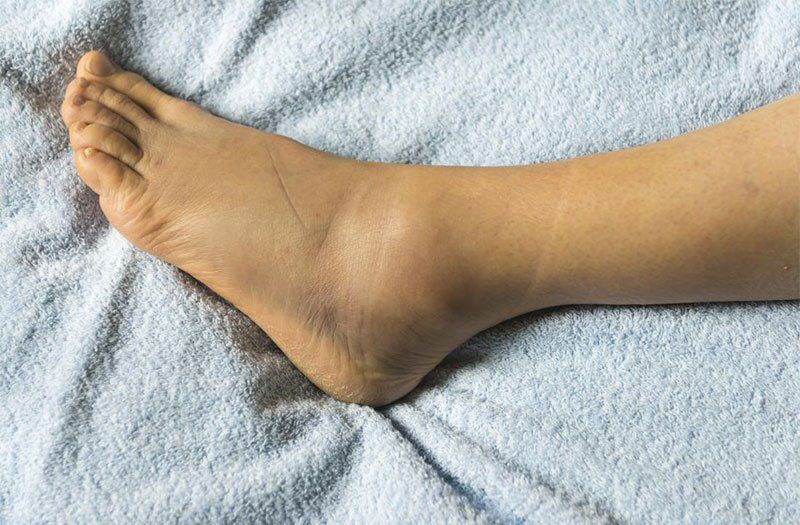
Swollen legs are incredibly common. You may notice that your ankles look puffy at the end of the day, your shoes feel tighter than usual, or pressing your finger into your lower leg leaves a temporary indentation.
Sometimes, this is simply the result of standing for too long, sitting for hours, eating a salty meal, traveling, or being in hot weather.
But persistent or unexplained leg swelling can also be associated with an underlying medical condition.
The medical term for swelling caused by excess fluid in the body's tissues is edema. It can affect one or both legs and may range from mild to severe.
Understanding the possible causes can help you recognize when swelling is probably temporary—and when it deserves medical attention.
What Is Leg Edema?
Edema occurs when excess fluid moves from the bloodstream into surrounding tissues.
It commonly appears in the:
-
Feet
-
Ankles
-
Lower legs
-
Hands
-
Abdomen
Leg edema can sometimes be noticed by pressing gently on the swollen area.
If an indentation remains for a short time after pressure is released, this is called pitting edema.
However, not all swelling leaves an indentation. Some forms of edema are firm or associated with changes in the skin and underlying tissues.
The appearance of swelling alone cannot determine its cause.
1. Chronic Venous Insufficiency
One of the common causes of chronic lower-leg swelling is chronic venous insufficiency.
Your leg veins have to move blood upward toward the heart, working against gravity.
Small valves inside the veins help prevent blood from flowing backward.
When these valves don't work properly, blood can pool in the lower legs.
This can cause:
-
Ankle swelling
-
Heavy or tired legs
-
Aching
-
Varicose veins
-
Skin discoloration
-
Itching
-
Changes in skin texture
Swelling may become worse after standing for long periods and improve when the legs are elevated.
2. Deep Vein Thrombosis
A deep vein thrombosis (DVT) occurs when a blood clot forms in a deep vein, often in the leg.
This condition is important to recognize because part of the clot can sometimes break away and travel to the lungs, causing a potentially life-threatening pulmonary embolism.
DVT often causes swelling in one leg, although symptoms can vary.
Possible signs include:
-
Sudden leg swelling
-
Pain or tenderness
-
Warmth
-
Red or discolored skin
-
A feeling of heaviness
Risk can increase after:
-
Long periods of immobility
-
Major surgery
-
Hospitalization
-
Certain cancers
-
Pregnancy
-
Some hormonal medications
-
Previous blood clots
If one leg suddenly becomes swollen, painful, warm, or red, seek prompt medical evaluation.
3. Heart Failure
The heart helps circulate blood throughout the body.
When the heart cannot pump efficiently enough, fluid can accumulate in tissues.
This can cause swelling in the:
-
Ankles
-
Feet
-
Lower legs
Heart failure may also cause:
-
Shortness of breath
-
Fatigue
-
Reduced exercise tolerance
-
Difficulty breathing when lying flat
-
Waking up short of breath
-
Rapid weight gain from fluid retention
Leg swelling by itself does not mean you have heart failure.
But new swelling combined with breathing difficulties or rapid fluid-related weight gain deserves medical attention.
4. Kidney Disease
The kidneys help regulate fluid and electrolyte balance.
When kidney function becomes impaired, the body may have difficulty removing excess salt and water.
This can contribute to swelling around the:
-
Feet
-
Ankles
-
Legs
-
Hands
-
Eyes or face
Other possible signs of kidney disease include:
-
Changes in urination
-
Foamy urine
-
Blood in the urine
-
Fatigue
-
High blood pressure
-
Loss of appetite
Kidney disease can develop gradually and may cause few symptoms in its early stages.
Persistent unexplained edema is therefore one reason to discuss kidney function with a healthcare professional.
5. Liver Disease
The liver produces proteins such as albumin, which help maintain fluid balance within blood vessels.
Advanced liver disease can reduce albumin production and contribute to fluid moving into surrounding tissues.
This may cause:
-
Leg and ankle swelling
-
Abdominal swelling
-
Easy bruising
-
Jaundice
-
Fatigue
-
Loss of appetite
Abdominal fluid accumulation is called ascites.
Liver-related edema generally occurs in the context of other signs of liver dysfunction and requires medical evaluation.
6. Lymphedema
The lymphatic system helps remove excess fluid from tissues.
When lymphatic drainage is impaired, fluid can accumulate and cause lymphedema.
It may affect one or both legs.
Possible signs include:
-
Persistent swelling
-
A feeling of heaviness
-
Tight skin
-
Reduced flexibility
-
Skin thickening
-
Difficulty fitting into shoes or clothing
Lymphedema can occur after certain cancer treatments, surgery, infection, injury, or because of abnormalities in the lymphatic system.
Unlike some other types of edema, chronic lymphedema may become firmer over time.
7. Chronic Kidney or Heart Conditions Can Overlap
It's important to remember that medical conditions don't always occur independently.
For example, heart and kidney problems can influence each other.
Reduced heart function can affect kidney blood flow.
Kidney dysfunction can contribute to fluid retention and increase strain on the cardiovascular system.
This is one reason doctors may evaluate several organs when someone develops unexplained edema.
8. Pregnancy Can Cause Leg Swelling
Mild swelling of the feet and ankles is common during pregnancy.
Several changes contribute, including:
-
Increased blood volume
-
Hormonal changes
-
Pressure from the growing uterus
-
Changes in circulation
Swelling is often more noticeable later in the day.
However, sudden or severe swelling, particularly when accompanied by headache, vision changes, upper abdominal pain, or high blood pressure, can be a warning sign of preeclampsia.
Pregnant people with these symptoms should seek urgent medical advice.
9. Certain Medications Can Cause Edema
Leg swelling can sometimes be a side effect of medication.
Examples include certain:
-
Blood-pressure medications
-
Anti-inflammatory drugs
-
Steroids
-
Hormonal medications
-
Diabetes medications
-
Some antidepressants
One well-known example is amlodipine, a calcium-channel blocker that can cause ankle swelling in some people.
If swelling started after beginning a medication or changing the dose, talk to your healthcare professional.
Never stop a prescribed medication without medical advice.
10. Sitting or Standing for Too Long
Sometimes the explanation is much simpler.
When you remain in one position for several hours, gravity encourages fluid to accumulate in the lower extremities.
This can happen after:
-
Long flights
-
Road trips
-
Desk work
-
Standing shifts
-
Long periods of inactivity
The swelling often improves after walking around or elevating the legs.
Regular movement throughout the day can help promote circulation.
11. Hot Weather Can Make Swelling Worse
Heat causes blood vessels near the skin to widen.
For some people, this can contribute to mild swelling in the feet and ankles.
Heat-related swelling is generally temporary.
Staying hydrated, avoiding prolonged standing, and moving regularly may help.
However, don't automatically blame persistent or severe swelling on hot weather.
12. A High-Sodium Diet Can Contribute to Fluid Retention
Sodium helps regulate fluid balance.
Eating large amounts of sodium can cause the body to retain more water.
You may notice temporary puffiness after eating:
-
Processed meats
-
Instant noodles
-
Packaged soups
-
Chips
-
Fast food
-
Salty sauces
-
Highly processed meals
Reducing excessive sodium can help some people with fluid retention.
However, persistent edema should not be attributed to salt alone without considering other possible causes.
13. Obesity Can Contribute to Leg Swelling
Higher body weight can place additional pressure on the veins of the legs.
This may interfere with venous return and contribute to:
-
Chronic venous insufficiency
-
Varicose veins
-
Leg swelling
Weight management, regular physical activity, and treatment of underlying venous problems can help improve circulation in some people.
14. Varicose Veins Can Be Associated With Swelling
Varicose veins are enlarged, twisted veins that commonly occur in the legs.
They may be associated with:
-
Aching
-
Heaviness
-
Leg fatigue
-
Swelling around the ankles
-
Itching
Symptoms often worsen after prolonged standing.
Varicose veins are not always dangerous, but persistent swelling or skin changes may indicate chronic venous disease that deserves evaluation.
15. Injury Can Cause Localized Swelling
An injury can cause fluid and inflammation to accumulate around the affected tissues.
For example:
-
An ankle sprain
-
Muscle strain
-
Fracture
-
Soft-tissue injury
may produce swelling.
In this situation, the swelling is usually localized near the injured area.
Severe pain, inability to bear weight, deformity, or rapidly increasing swelling should be medically assessed.
16. Infection Can Cause Swelling
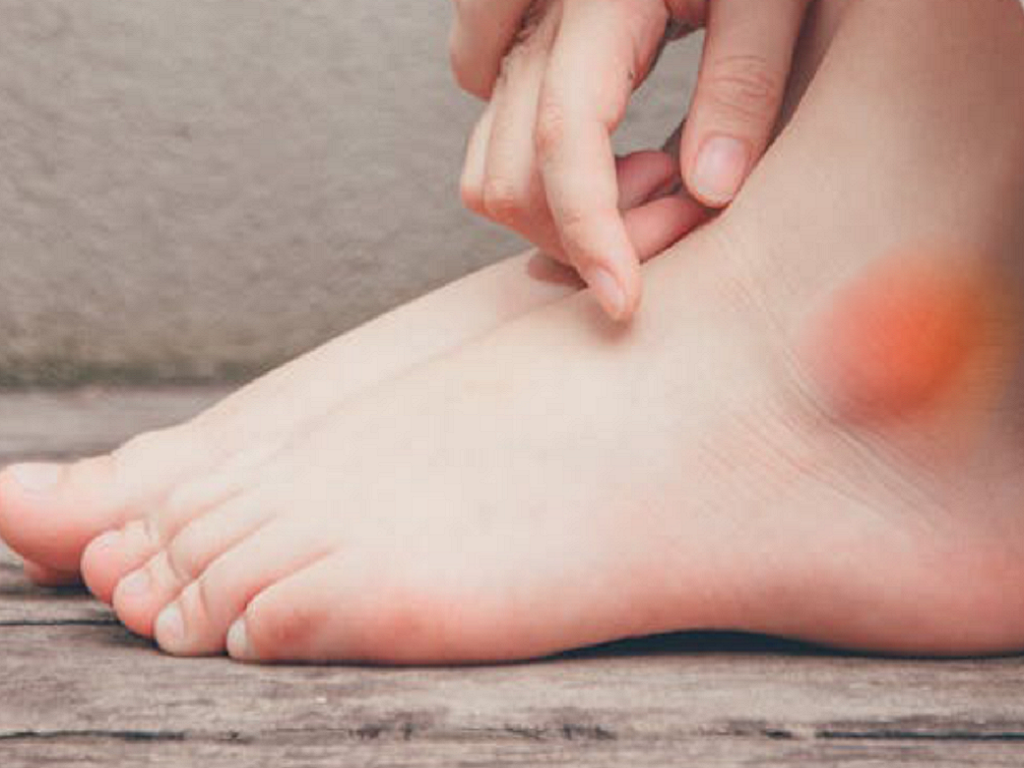
A skin infection such as cellulitis can cause:
-
Redness
-
Warmth
-
Swelling
-
Pain
-
Tenderness
Fever or chills may also occur.
Cellulitis can spread and sometimes requires antibiotic treatment.
If one area of the leg suddenly becomes red, hot, painful, and swollen—especially with fever—seek medical care.
17. Arthritis Can Cause Swelling Around the Legs and Feet
Joint inflammation can produce localized swelling.
Conditions such as:
-
Osteoarthritis
-
Rheumatoid arthritis
-
Gout
can affect the feet, ankles, or knees.
The swelling may be concentrated around a joint rather than throughout the entire lower leg.
Pain, stiffness, redness, and warmth can provide additional clues.
18. Gout Can Cause Sudden Swelling
Gout occurs when uric acid crystals accumulate in a joint.
A gout attack can cause dramatic:
-
Pain
-
Redness
-
Warmth
-
Swelling
The big toe is a classic location, but other joints can also be affected.
Gout-related swelling is different from generalized fluid retention because it is primarily an inflammatory joint problem.
19. Hormonal Changes May Affect Fluid Balance
Hormonal fluctuations can contribute to temporary fluid retention.
Some people notice swelling around menstruation or during other hormonal changes.
Hormonal medications can also influence fluid balance in certain individuals.
Persistent or severe edema should still be evaluated rather than automatically attributed to hormones.
20. Why One Swollen Leg Is Different From Two
The distribution of swelling can provide an important clue.
One Leg
Possible causes include:
-
DVT
-
Injury
-
Infection
-
Lymphedema
-
Venous disease
Both Legs
Possible causes include:
-
Heart failure
-
Kidney disease
-
Liver disease
-
Medication effects
-
Chronic venous insufficiency
-
Prolonged sitting or standing
This isn't a diagnostic rule.
Some conditions can affect one or both legs.
But sudden one-sided swelling deserves particular attention.
21. What Is Pitting Edema?
Pitting edema occurs when pressing on swollen tissue leaves an indentation.
For example, you may press a finger against your ankle for several seconds and notice a small depression after releasing it.
Pitting edema can occur with:
-
Heart failure
-
Venous insufficiency
-
Kidney disease
-
Liver disease
-
Medication-related edema
However, the presence or absence of pitting alone cannot determine the underlying cause.
22. What Is Non-Pitting Edema?
Non-pitting edema doesn't leave a clear indentation when pressed.
It can occur with conditions such as:
-
Lymphedema
-
Certain thyroid-related disorders
-
Some chronic tissue changes
Again, the physical appearance needs to be interpreted alongside your medical history.
23. Pay Attention to Skin Changes
Long-standing swelling can affect the skin.
You may notice:
-
Darkening around the ankles
-
Dryness
-
Thickened skin
-
Itching
-
Scaling
-
Wounds that heal slowly
These changes can occur with chronic venous disease and other forms of edema.
Open sores or ulcers should be evaluated by a healthcare professional.
24. Rapid Weight Gain Can Indicate Fluid Retention
Sometimes the first clue isn't your legs.
It's the scale.
If your weight increases rapidly over a short period without a clear dietary explanation, the increase may partly represent fluid.
This can be particularly important in people with heart or kidney disease.
If rapid weight gain occurs alongside worsening leg swelling or shortness of breath, contact your healthcare professional promptly.
25. Shortness of Breath Plus Leg Swelling Is Important
Swollen legs combined with shortness of breath can have several causes.
One possibility is worsening heart failure.
Another is a blood clot that has traveled to the lungs.
Seek urgent medical attention if swelling is accompanied by:
-
Sudden shortness of breath
-
Chest pain
-
Rapid heartbeat
-
Coughing up blood
-
Fainting or severe dizziness
These can be signs of a pulmonary embolism, which requires emergency treatment.
26. Don't Massage a Leg That May Have a Blood Clot
If one leg suddenly becomes swollen, painful, warm, or red, don't assume it's simply muscle tension.
A DVT needs medical assessment.
Avoid aggressively massaging the area before it has been evaluated.
The safest approach is to seek medical advice promptly.
27. Elevating Your Legs May Help Certain Types of Swelling
For mild swelling related to prolonged standing or chronic venous problems, elevating the legs can sometimes reduce fluid accumulation.
When resting, you can place your legs on pillows so they are elevated comfortably.
This isn't a treatment for serious causes of edema, but it may provide temporary relief in appropriate situations.
28. Movement Supports Healthy Circulation
Your calf muscles act as a kind of pump that helps move blood back toward the heart.
Regular movement can therefore support circulation.
If you sit for long periods, consider:
-
Standing up regularly
-
Walking around
-
Flexing your ankles
-
Moving your legs
During long trips, getting up and walking periodically can be particularly important.
29. Compression Garments May Help Some People
Compression stockings can help improve venous circulation and reduce certain types of lower-leg swelling.
They are commonly used for chronic venous insufficiency and some other conditions.
However, compression isn't appropriate for everyone.
People with certain arterial circulation problems may need different management.
Ask a healthcare professional whether compression is appropriate for you, particularly if you have unexplained swelling.
30. Don't Dramatically Restrict Water on Your Own
If you're retaining fluid, you may assume that drinking less water will solve the problem.
That's not always true.
Dehydration can cause its own complications.
People with heart failure, kidney disease, or other medical conditions may have individualized fluid recommendations.
Follow the plan provided by your healthcare professional rather than severely restricting fluids yourself.
31. Reduce Excess Sodium
If your diet is high in sodium, reducing processed and heavily salted foods can be useful.
Instead of relying on salty packaged foods, choose more:
-
Fresh vegetables
-
Fruits
-
Beans
-
Whole grains
-
Unsalted nuts
-
Fresh proteins
Read food labels when possible.
Sodium can appear in foods that don't necessarily taste extremely salty.
32. Keep Track of When the Swelling Occurs
A symptom diary can provide useful information.
Record:
-
When swelling begins
-
Whether one or both legs are affected
-
Whether it improves overnight
-
Whether standing makes it worse
-
Recent travel
-
New medications
-
Weight changes
-
Associated pain
-
Shortness of breath
-
Skin changes
These details can help your healthcare professional identify patterns.
33. When Should You Make a Doctor's Appointment?
Arrange a medical evaluation if swelling:
-
Persists for several days
-
Keeps returning
-
Is gradually worsening
-
Has no obvious explanation
-
Interferes with walking or daily activities
-
Occurs with significant skin changes
-
Develops after starting a new medication
-
Is associated with unexplained weight gain
Persistent edema deserves more than temporary symptom management.
The underlying cause needs to be identified.
34. When Is Leg Swelling an Emergency?
Seek urgent medical care if you develop:
Sudden One-Sided Swelling
Especially with pain, warmth, or redness.
Chest Pain or Sudden Shortness of Breath
This could indicate a pulmonary embolism or another emergency.
Rapidly Increasing Swelling
Particularly when accompanied by breathing problems.
Severe Leg Pain
Especially if the leg becomes cold, pale, or markedly discolored.
Fever With Red, Hot Swelling
This may indicate a significant infection.
35. What Tests Might a Doctor Use?
The evaluation depends on the suspected cause.
Your healthcare professional may perform:
-
Physical examination
-
Blood tests
-
Urine tests
-
Electrocardiogram
-
Echocardiogram
-
Leg ultrasound
-
Kidney-function testing
-
Liver-function testing
-
Imaging studies
For suspected DVT, a duplex ultrasound is commonly used to evaluate blood flow and detect clots.
36. Why Medical History Matters
Your doctor may ask about:
-
Heart disease
-
Kidney disease
-
Liver disease
-
Diabetes
-
Previous blood clots
-
Recent surgery
-
Pregnancy
-
Cancer
-
Medications
-
Recent travel
-
Physical activity
-
Family history
These details can dramatically change which causes are most likely.
37. Don't Ignore Swelling After Long Travel
Long periods of sitting can increase the risk of blood clots.
After a long flight or road trip, watch for:
-
New one-sided leg swelling
-
Leg pain
-
Warmth
-
Redness
If these symptoms develop, seek medical evaluation.
If you develop chest pain or sudden difficulty breathing, seek emergency care.
38. Leg Swelling Doesn't Always Mean Fluid Retention
This is an important distinction.
A swollen ankle after an injury may be caused primarily by inflammation.
A swollen joint may result from arthritis or gout.
A red, hot area may indicate infection.
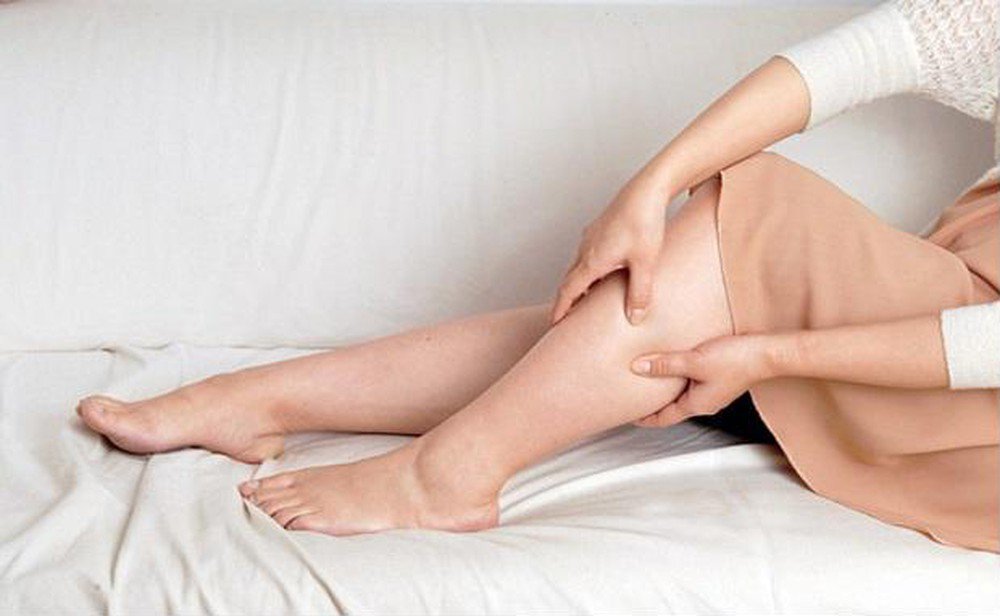
A swollen leg after prolonged standing may reflect venous pooling.
So "edema" is a description of swelling, not a diagnosis.
39. The Underlying Cause Determines Treatment
There is no single treatment for all swollen legs.
Depending on the cause, treatment may involve:
-
Compression
-
Medication adjustments
-
Diuretics in selected medical conditions
-
Treatment of heart or kidney disease
-
Antibiotics for certain infections
-
Anticoagulants for DVT
-
Management of venous insufficiency
-
Physical therapy for lymphedema
-
Lifestyle changes
This is why self-treating persistent edema without knowing the cause can be problematic.
40. The Bottom Line
Leg swelling is common, but persistent or unexplained edema shouldn't automatically be dismissed as a normal part of aging or simply the result of eating too much salt.
Possible causes range from relatively minor factors—such as prolonged standing, heat, or temporary fluid retention—to conditions requiring medical treatment, including:
Chronic venous insufficiency
Deep vein thrombosis
Heart failure
Kidney disease
Liver disease
Lymphedema
Medication side effects
Infections
Pregnancy-related conditions
The pattern matters.
Sudden swelling in one leg, particularly with pain, warmth, or redness, needs prompt assessment.
Swelling with chest pain or sudden shortness of breath is an emergency.
And swelling accompanied by rapid weight gain or worsening breathing problems may indicate significant fluid accumulation.
Final Thoughts
Swollen ankles after a long day on your feet aren't necessarily a reason to panic.
But your body can sometimes use swelling as a signal that something deserves closer attention.
Look at the bigger picture:
Is the swelling new?
Is it getting worse?
Is one leg affected or both?
Does it improve after resting?
Are there changes in your skin?
Have you recently started a medication?
Are you experiencing pain, fever, chest discomfort, or shortness of breath?
These details matter.
If the swelling is persistent or unexplained, make an appointment with a healthcare professional rather than relying on home remedies alone.
And if swelling appears suddenly with chest pain, difficulty breathing, fainting, coughing up blood, or severe one-sided leg pain, seek emergency medical attention immediately.
Leg swelling is a symptom—not a diagnosis. Finding the cause is the key to knowing whether it's something minor or something that shouldn't wait.