Mosquito Problems at Home? Here Are Some Natural Ways to Reduce Them
How to Reduce Mosquitoes Around Your Home Using Simple Methods
⏱️ 1 min read 13/08/2026 14:30
Lemongrass and vinegar are two inexpensive ingredients that can be found in many kitchens. Separately, they have been used for generations in cooking, household cleaning, and traditional practices. But when combined, they create a simple homemade mixture that some people use in surprisingly different ways.
The idea of soaking lemongrass in vinegar has become increasingly popular online, with claims ranging from household cleaning to natural deodorizing and traditional wellness uses.
But what does this mixture actually do?
The answer is more practical than magical. Vinegar is acidic because it contains acetic acid, while lemongrass contains aromatic compounds and essential oils, including citral. When lemongrass is soaked in vinegar, some of its water-soluble and volatile compounds can move into the vinegar, creating a strongly scented infused liquid.
This doesn't turn the mixture into a miracle medicine or a guaranteed natural treatment. However, it can be an interesting homemade preparation with several practical applications.
Let's explore why people combine these two ingredients and what you should know before trying it.
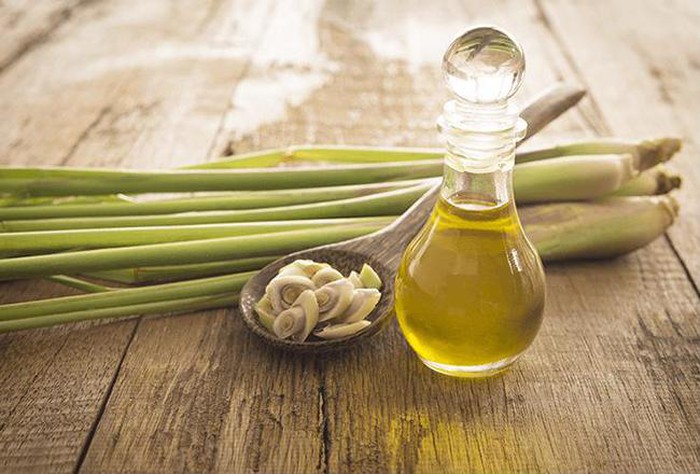
The combination makes sense from a traditional and practical perspective.
Lemongrass has a distinctive citrus-like aroma and contains naturally occurring aromatic compounds. Vinegar, meanwhile, has a sharp acidic smell and can help dissolve certain residues and odors.
When lemongrass is placed into vinegar and left to infuse, the resulting liquid takes on some of the plant's characteristic aroma.
The mixture may therefore be useful when someone wants a strongly scented vinegar-based household solution without relying entirely on commercial fragrances.
Lemongrass gets much of its characteristic smell from compounds such as citral, which is a mixture of two closely related compounds called geranial and neral.
Citral is also found in the essential oils of several citrus-scented plants.
Research has investigated lemongrass and its components for various biological properties, including antimicrobial and antioxidant activity in laboratory settings.
However, laboratory findings should not automatically be interpreted as proof that consuming or applying a homemade lemongrass preparation will produce the same effects in humans.
That's an important distinction when evaluating natural remedies.
Vinegar contains acetic acid, which gives it its characteristic sour taste and low pH.
This acidity explains many of vinegar's practical household properties.
Depending on the type and concentration, vinegar can help loosen certain mineral deposits and residues and may have antimicrobial effects against some microorganisms.
However, vinegar is not a universal disinfectant.
It should not be assumed to kill every type of bacteria, virus, or fungus, and it should not replace an appropriate disinfectant when reliable pathogen control is required.
One of the most practical uses of infused vinegar is household cleaning.
The mixture can potentially be used on suitable surfaces to help remove:
Light grease
Everyday grime
Some mineral deposits
Unpleasant odors
The lemongrass adds a fresh herbal-citrus scent that may make the vinegar smell less harsh.
This can be particularly appealing to people who don't enjoy the strong smell of plain vinegar.
Vinegar is acidic and isn't appropriate for every surface.
Avoid using acidic vinegar solutions on materials such as:
Marble
Limestone
Travertine
Other natural stone surfaces sensitive to acids
The acid can damage or dull these materials.
Always test a small, inconspicuous area first.
The strong aroma of lemongrass can help make a homemade cleaning solution smell fresher.
Vinegar itself can also interact with certain odor-causing compounds.
However, this doesn't mean the mixture permanently eliminates every odor.
Sometimes an unpleasant smell is caused by an underlying source such as:
Mold
Food residue
Moisture
Bacteria
Pet waste
Plumbing problems
Cleaning the source is much more effective than simply covering the smell.
Commercial cleaning products often contain fragrances and other ingredients that some people prefer to avoid.
A vinegar infusion made with lemongrass provides a simple alternative for certain basic cleaning tasks.
The ingredients are inexpensive and easy to obtain.
A basic preparation might involve placing clean, chopped lemongrass into a jar and covering it completely with vinegar.
The mixture can then be allowed to infuse before being strained and diluted for appropriate household use.
However, homemade mixtures don't have standardized concentrations or guaranteed shelf lives.
For that reason, proper storage and cleanliness are important.
This is where claims about lemongrass and vinegar often become exaggerated.
Both ingredients have demonstrated antimicrobial activity under certain laboratory conditions.
Lemongrass essential oil and citral have been studied for their effects against various microorganisms.
Vinegar's acetic acid can also inhibit or kill certain microbes depending on concentration, exposure time, temperature, and the specific organism involved.
But a homemade lemongrass-vinegar infusion is not equivalent to a laboratory-tested disinfectant.
You shouldn't rely on it to sterilize medical equipment, disinfect wounds, or guarantee that surfaces are free from dangerous pathogens.
For high-risk situations, use a product specifically designed and tested for disinfection.
This is where extra caution is needed.
Some people online recommend drinking vinegar infused with herbs as a wellness tonic.
However, there is no good reason to assume that a homemade lemongrass-vinegar mixture provides extraordinary health benefits.
Vinegar is acidic and can irritate the mouth, throat, and digestive tract when consumed undiluted.
Regular exposure to acidic drinks can also contribute to tooth enamel erosion.
If you enjoy vinegar as part of food, using a small amount in salad dressing or cooking is generally very different from drinking concentrated vinegar shots.
Your liver and kidneys already perform the body's primary waste-processing functions.
Another common claim is that vinegar can "burn fat."
The evidence is much less dramatic than social-media headlines suggest.
Some research has investigated vinegar and appetite, blood glucose, and body weight, but any effects appear modest and should not be interpreted as a substitute for a balanced diet and appropriate calorie intake.
Adding lemongrass doesn't magically transform vinegar into a fat-burning drink.
If weight loss is your goal, the fundamentals remain much more important:
Appropriate calorie intake
Adequate protein
High-fiber foods
Regular physical activity
Sufficient sleep
Consistency over time
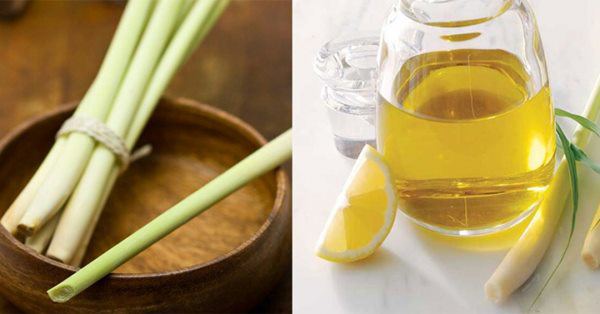
The word "detox" is often used to market homemade drinks and natural remedies.
But the human body already has sophisticated systems for processing waste.
The:
Liver
Kidneys
Lungs
Gastrointestinal tract
all play important roles in maintaining internal balance.
There is no strong evidence that soaking lemongrass in vinegar creates a special detoxification treatment.
It may be a useful household mixture, but calling it a detox cure goes far beyond the available evidence.
If you want to experiment with it as a household preparation, the process is straightforward.
Fresh lemongrass
Plain white vinegar or another suitable vinegar
A clean glass jar
A clean strainer
A clean storage container
Wash the lemongrass thoroughly and allow excess water to drain.
Cut the stalks into smaller pieces to expose more surface area.
Place them in a clean glass jar.
Pour enough vinegar over the lemongrass to completely cover it.
Close the container and store it in a cool, appropriate location according to your intended preparation method.
After the desired infusion period, strain out the plant material.
The resulting vinegar can then be diluted for suitable household cleaning applications.
Don't seal or store homemade infused products indefinitely without understanding their food-safety or household-storage requirements.
If you're making something intended for consumption, use a food-safe recipe from a reliable source rather than improvising.
This is extremely important.
Mixing acids such as vinegar with bleach can release toxic chlorine gas, which can cause serious respiratory irritation and injury.
The same rule applies when cleaning:
Don't mix household cleaning chemicals unless the product instructions explicitly say the combination is safe.
When using vinegar for cleaning, use it by itself or according to a trusted cleaning formula.
Although vinegar is useful for certain household tasks, it isn't a universal replacement for cleaning products.
It may not be appropriate for:
Natural stone
Some wood finishes
Certain metals
Electronics
Surfaces with acid-sensitive coatings
It also shouldn't be used as a substitute for a registered disinfectant when disinfection is required.
Always follow the manufacturer's care instructions for your surfaces and appliances.
Lemongrass has a long history of culinary and traditional use.
It is commonly used in:
Soups
Curries
Stir-fries
Herbal teas
Marinades
Sauces
Its citrus-like aroma comes from naturally occurring volatile compounds.
Research has explored lemongrass and its components in relation to antioxidant, antimicrobial, and other biological activities.
But the strongest evidence depends on the specific preparation, dose, and health outcome being studied.
A cup of lemongrass tea, a culinary amount of fresh lemongrass, and concentrated lemongrass essential oil are not interchangeable.
This distinction is important.
Lemongrass essential oil is highly concentrated.
It shouldn't be treated like fresh lemongrass.
Undiluted essential oils can irritate the skin and may cause adverse reactions if used incorrectly.
They should not be swallowed unless specifically formulated and professionally recommended for internal use.
A homemade vinegar infusion is also not the same thing as a concentrated essential oil.
Some people may be tempted to apply lemongrass-infused vinegar directly to their skin.
That's not necessarily a good idea.
Vinegar is acidic, and lemongrass contains aromatic compounds that may irritate sensitive skin.
Potential reactions can include:
Burning
Redness
Dryness
Itching
Irritation
If you're considering using any homemade mixture on your skin, patch-testing a small area is safer than applying it broadly.
Don't apply it to:
Open wounds
Broken skin
Severely irritated skin
Around the eyes
If significant irritation develops, stop using it and rinse the area.
Not necessarily.
The advantage of lemongrass-infused vinegar is that it's:
Simple
Inexpensive
Easy to prepare
Strongly scented
Useful for certain basic cleaning tasks
But commercial cleaning products have important advantages.
They are often:
Formulated for specific surfaces
Tested for performance
Designed for predictable concentrations
Labeled with safety instructions
For ordinary household cleaning, either option may be appropriate depending on the task.
For disinfection or infection-control situations, use a product specifically designed for that purpose.
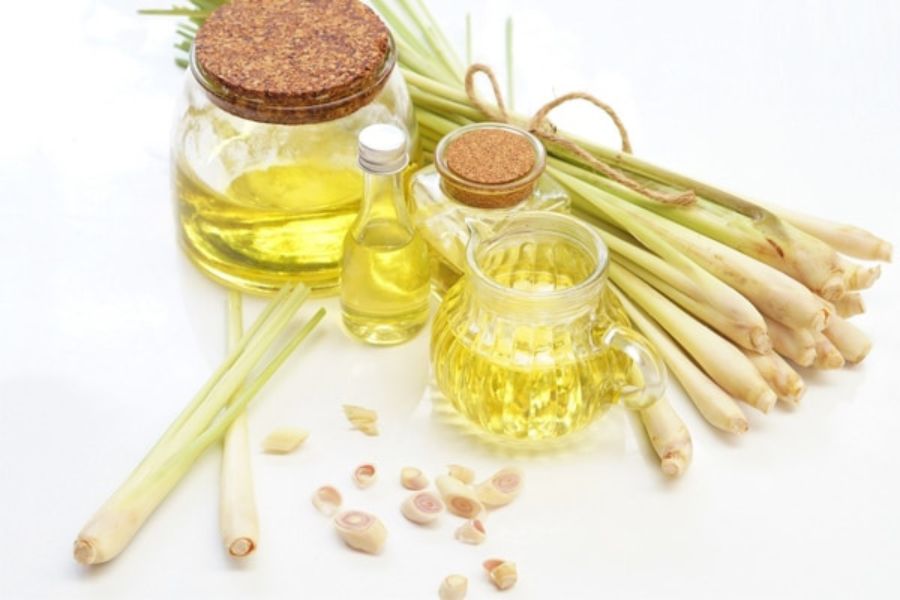
So why do some people combine lemongrass and vinegar?
The answer is relatively simple.
Vinegar provides an acidic base, while lemongrass adds aromatic plant compounds and a fresh citrus-like scent. Together, they can create an interesting homemade infusion that some people use for basic household cleaning and odor-related purposes.
However, it's important not to turn a simple household recipe into a miracle-health claim.
There is no strong evidence that lemongrass-infused vinegar detoxes the body, cures disease, burns fat, or replaces medical treatment.
If you want to try it, keep the purpose practical.
Use it cautiously for appropriate household cleaning, avoid acid-sensitive surfaces, never mix vinegar with bleach, and don't assume that a homemade preparation has the same antimicrobial performance as a tested disinfectant.
And if you're thinking about drinking it, remember that concentrated vinegar can irritate the digestive tract and damage tooth enamel with repeated exposure.
Sometimes the simplest homemade combinations can be useful but their value comes from understanding what they actually can do, rather than believing every claim circulating online.
How to Reduce Mosquitoes Around Your Home Using Simple Methods
Social Media Says “Run”—Here's the Real Story
Dirty Fridge Gasket? Try This Easy Cleaning Trick
A simple salt-water soak revealed something unexpected hiding inside ripe strawberries.

Most people think it's decorative. They're completely wrong.
A simple plastic bottle may help improve your laundry results at home.

A simple classroom video revealed a touching act no one expected.
One Tiny Detail in My Bedroom Turned an Ordinary Night Into a Mystery

Seeing Snakes Around Your Home? 10 Scents That May Help Deter Them
This Simple Vinegar and Fabric Softener Mix Could Make Household Chores Easier

A Simple Puzzle, A Surprising Look Into Your Personality

The First Things To Do After a Snake Bite

That decorative strip on hotel beds serves more purposes than you think.

A small seat belt part plays a bigger role than most people realize.
Pouring Hot Water Into a Hotel Toilet: Does It Really Help?

Bubble Wrap Isn’t Just for Packing: Try This Clever Kitchen Hack
This Unnoticed Household Device Could Be Quietly Increasing Your Electricity Bill

Can You Lose Your License Just Because You Turn 70?
12 Symptoms That May Point to Ovarian Cancer - What to Know
One Promise Before Dawn
15 Early Signs That Could Point to Undiagnosed Diabetes
The Soldier Rescues the Trapped Girl
12 Possible Signs of a Stroke You Need to Recognize
The Soldier in the Elevator Shaft
What Happens to Your Body When You Eat Cucumbers Every Day?
Sleeping Beside Your Cat Every Night? Here’s What You Should Know
The Bus Was Falling
The Surprising Reason You Feel the Urge to Poop After Eating
Coffee is a daily habit for millions, but is it actually good for your heart? Here is what science says.
THE VOICES WERE HIS PARENTS
15 Subtle Signs That Could Mean You’re Not Drinking Enough Water
DID DAD FORGET MY BIRTHDAY?
What Your Morning Urine May Reveal: 5 Changes Worth Paying Attention To
The Freezing Lake
How to Reduce Mosquitoes Around Your Home Using Simple Methods