5. Changes in Stool and Urine
Pale or clay-colored stools and dark urine can signal a bile flow problem. These changes are often overlooked but can point to gallstones or bile duct blockage.
6. Unexplained Fever or Chills
A low-grade fever or chills—especially when combined with abdominal pain—could indicate inflammation or infection of the gallbladder, which may require urgent medical attention.
7. Yellowing of the Skin or Eyes (Jaundice)
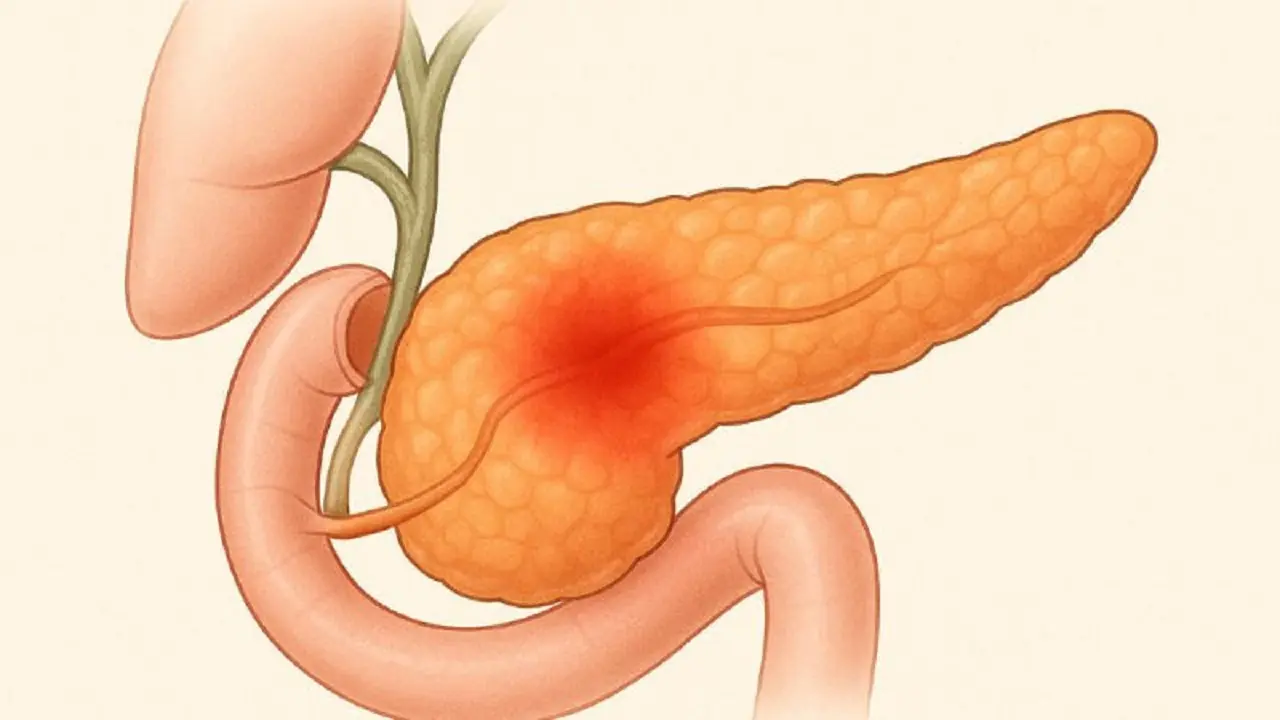
If your skin or the whites of your eyes turn yellow, it may mean bile is backing up into your bloodstream. This is a serious symptom that should never be ignored.
When to See a Doctor
Occasional digestive discomfort is common, but persistent or worsening symptoms should not be ignored. Early detection of gallbladder issues—such as gallstones or inflammation—can prevent complications and lead to more effective treatment.
Final Thoughts
Your body often sends subtle signals before a problem becomes serious. Paying attention to these unexpected symptoms can help you catch gallbladder issues early and protect your overall health.
If something doesn’t feel right, it’s always better to get it checked sooner rather than later.