Drinking Too Much or Too Fast? 7 Water Habits to Watch Out For
7 Everyday Water-Drinking Habits That May Do More Harm Than Good
⏱️ 1 min read 17/08/2026 13:46
Your hands can sometimes reveal changes happening elsewhere in your body. While they cannot diagnose a medical condition on their own, certain changes in the hands and fingernails may occur in people with chronic liver disease.
The liver performs hundreds of important functions. It helps process nutrients, produces proteins, supports blood clotting, stores energy, and helps remove substances the body no longer needs. When liver function becomes impaired, changes in circulation, hormones, proteins, and fluid balance can sometimes become visible in the skin, hands, nails, or other parts of the body.
Three changes are particularly worth knowing about: red palms, changes in the nails, and finger or hand changes associated with advanced liver disease.
These signs are not proof of liver disease. They can occur for other reasons, and some people with liver disease have no visible symptoms at all. But if a new or persistent change appears alongside fatigue, jaundice, abdominal swelling, easy bruising, or other symptoms, it is worth discussing with a healthcare professional.
The liver is closely connected to the body's circulation, hormone metabolism, protein production, and blood chemistry.
When chronic liver disease progresses, several processes can change.
For example, impaired liver function may affect how certain hormones are processed. Changes in blood vessels can contribute to visible redness. Reduced production of proteins such as albumin can contribute to fluid accumulation. Advanced liver disease can also affect connective tissues, nerves, and other systems.
This means a change in the hands may sometimes be part of a much larger pattern.
But it is important not to look at one symptom in isolation.
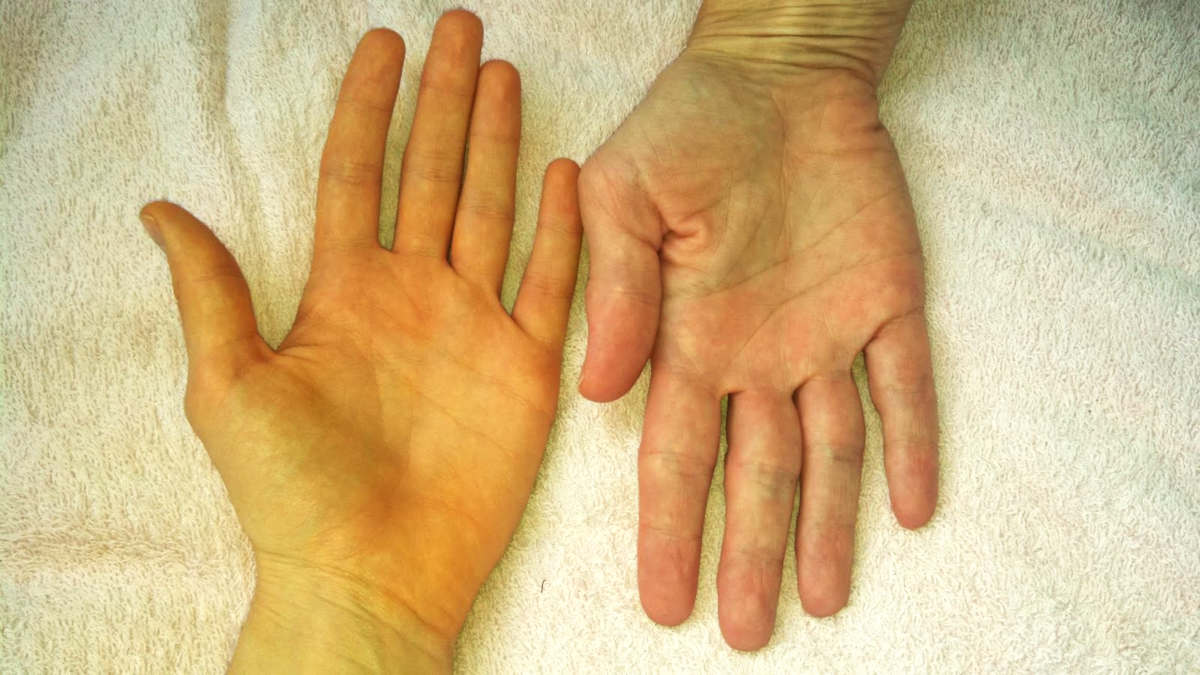
One of the better-known hand findings associated with chronic liver disease is palmar erythema.
This refers to increased redness of the palms, particularly around the base of the thumb and little finger.
The redness may be:
Symmetrical
More noticeable on the palms than the backs of the hands
More pronounced when the hands are warm
Less noticeable when pressure is applied
In some people, the palms may look noticeably red or flushed compared with their usual appearance.
The exact mechanism isn't completely understood.
Changes in blood vessels and hormone metabolism are thought to contribute. Chronic liver disease can alter the way the body handles certain hormones, potentially affecting blood flow in the skin.
However, red palms do not automatically mean liver disease.
Palmar erythema can also occur during:
Pregnancy
Rheumatoid arthritis
Thyroid disorders
Other medical conditions
Certain normal physiological states
Some people naturally have relatively red palms.
So the important factor is a new or persistent change combined with other symptoms or risk factors.
Your fingernails can sometimes change when your overall health changes.
Several nail findings have been associated with chronic liver disease.
One example is Terry's nails, in which most of the nail appears pale or white while a relatively narrow band of normal color remains near the tip.
Another possible finding is nail clubbing, where the fingertips become more rounded and the nails curve more noticeably.
Other nail abnormalities can have completely different causes, including nutritional deficiencies, thyroid disease, lung conditions, anemia, trauma, fungal infections, and normal variation.
That means nail changes should be interpreted in context.
Pay attention to changes such as:
A new widespread change in nail color
Increasing curvature of the nails
Rounded or enlarged fingertips
Unusual nail fragility
Persistent changes affecting several nails
If multiple fingernails change without an obvious explanation, a healthcare professional can determine whether further investigation is appropriate.
One of the more distinctive findings associated with some chronic liver conditions is Dupuytren's contracture.
This condition causes thickening and shortening of tissue beneath the skin of the palm.
Over time, it can cause one or more fingers—often the ring or little finger—to gradually bend toward the palm.
You might notice:
A firm cord or lump in the palm
Difficulty placing the hand completely flat on a table
A finger gradually becoming difficult to straighten
Tightness in the palm
Progressive loss of finger movement
Dupuytren's contracture is not specific to liver disease.
It has been associated with several factors, including genetics, age, diabetes, and other health conditions.
Therefore, having it does not mean that you have liver disease.
This is an important point.
A person with red palms doesn't automatically have liver disease.
A person with unusual nails doesn't automatically have liver failure.
A person with a bent finger doesn't automatically have cirrhosis.
These findings can have many explanations.
Doctors look at the overall pattern, including:
Medical history
Alcohol use
Medication history
Metabolic conditions
Viral hepatitis risk
Weight and metabolic health
Physical examination
Blood tests
Imaging when necessary
The combination of symptoms and objective testing provides much more useful information than one visible sign.
One reason liver disease can be difficult to detect is that the liver can continue performing many of its functions despite significant damage.
Some people with chronic liver disease have few or no symptoms during the early stages.
That means waiting for obvious physical signs isn't a reliable strategy.
Liver disease may be discovered during routine blood testing or imaging performed for another reason.
This is particularly relevant for conditions such as:
Metabolic dysfunction-associated steatotic liver disease (MASLD)
Chronic hepatitis B
Chronic hepatitis C
Alcohol-associated liver disease
Early identification can provide an opportunity to address the underlying cause before more serious complications develop.
If changes in your hands occur alongside other symptoms, the overall picture becomes more important.
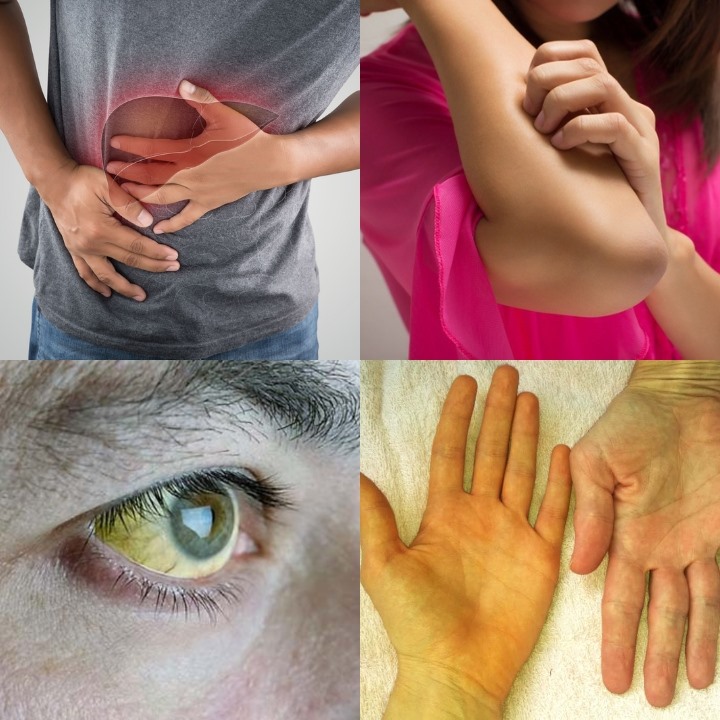
Possible signs of liver disease include:
Feeling unusually tired can occur with many conditions, including liver disease.
The skin or whites of the eyes may become yellow.
This occurs when bilirubin accumulates in the body.
Urine may become noticeably darker than usual.
Changes in bile flow can sometimes alter stool color.
Persistent generalized itching can occur with certain liver and bile-duct disorders.
Advanced liver disease can affect proteins involved in blood clotting.
Fluid accumulation in the abdomen is called ascites.
Fluid retention can occur in advanced liver disease, particularly when albumin levels are low.
Some people experience reduced appetite or an uncomfortable feeling of fullness.
None of these symptoms is specific to liver disease, but combinations should be evaluated.
Jaundice causes a yellowish appearance of the skin or whites of the eyes.
It occurs when bilirubin accumulates in the bloodstream.
The causes of jaundice include:
Liver disease
Gallstones
Bile-duct obstruction
Certain blood disorders
Other conditions
New jaundice in an adult should be medically evaluated.
If yellowing appears suddenly or is accompanied by severe abdominal pain, fever, confusion, or vomiting, prompt medical attention is especially important.
The liver produces many proteins involved in blood clotting.
Advanced liver disease can reduce the production of some of these proteins.
As a result, some people with significant liver dysfunction may bruise or bleed more easily.
However, easy bruising can also result from:
Certain medications
Low platelet levels
Nutritional deficiencies
Blood disorders
Aging skin
If you suddenly begin developing unexplained bruises, don't automatically blame your liver.
A medical evaluation can identify the cause.
The liver produces albumin, a major blood protein that helps keep fluid within blood vessels.
When advanced liver disease significantly reduces albumin levels, fluid may move into surrounding tissues.
This can contribute to:
Ankle swelling
Leg swelling
Foot swelling
Abdominal fluid accumulation
But edema has many other causes, including heart, kidney, venous, and medication-related problems.
Persistent swelling deserves evaluation rather than self-diagnosis.
In advanced liver disease, fluid can accumulate inside the abdomen.
This condition is called ascites.
The abdomen may gradually become:
Larger
Tight
Uncomfortable
Heavy
Rapidly increasing abdominal swelling should be evaluated.
People with known liver disease who develop new abdominal swelling should contact their healthcare team.
Liver disease has many possible causes.
Common examples include:
Often associated with metabolic risk factors such as obesity, insulin resistance, and type 2 diabetes.
Long-term excessive alcohol consumption can damage liver cells.
Hepatitis B and C can cause chronic inflammation and liver damage.
Conditions such as autoimmune hepatitis can cause the immune system to attack liver tissue.
Problems affecting bile flow can damage the liver over time.
Some substances can cause liver injury, particularly when used improperly or in excessive amounts.
One of the most common modern liver conditions is fatty liver disease.
Many people with fatty liver have no noticeable symptoms.
It may be associated with:
Excess body weight
Insulin resistance
Type 2 diabetes
High triglycerides
Metabolic syndrome
Fat accumulation in the liver doesn't always cause immediate symptoms.
However, some people can develop inflammation and progressive scarring over time.
This is why metabolic health is closely connected to liver health.
A common misconception is that liver disease is primarily caused by alcohol.
Alcohol can certainly cause significant liver damage, but many people with liver disease do not drink heavily.
Metabolic conditions, viral infections, autoimmune diseases, inherited disorders, medications, and other factors can also affect the liver.
Avoiding alcohol does not eliminate the need to care for your liver.
If a healthcare professional suspects liver disease, they may order blood tests.
Common tests include measurements related to:
ALT
AST
Alkaline phosphatase
Bilirubin
Albumin
Platelet count
These tests provide information about liver injury, bile flow, protein production, and other aspects of health.
However, blood tests alone don't always tell the complete story.
Depending on the situation, doctors may use:
Ultrasound
Elastography
CT scans
MRI
Elastography can help estimate liver stiffness, which may provide information about fibrosis or scarring.
The appropriate test depends on the suspected cause and severity of disease.
That depends heavily on the cause and stage.
Some forms of liver injury can improve substantially when the underlying cause is addressed.
For example, managing metabolic risk factors and losing excess weight when appropriate can improve fatty liver disease.
Treating chronic viral hepatitis can reduce ongoing liver injury.
Stopping harmful alcohol consumption can allow the liver to recover from some types of alcohol-related damage.
However, advanced cirrhosis can involve permanent scarring and may not be fully reversible.
This is why early detection matters.
Cirrhosis is advanced scarring of the liver.
Repeated or prolonged liver injury can cause healthy liver tissue to be replaced by scar tissue.
As cirrhosis progresses, the liver may struggle to perform its normal functions.
Possible complications include:
Ascites
Edema
Variceal bleeding
Jaundice
Confusion
Liver cancer
Liver failure
Not everyone with liver disease develops cirrhosis.
And not every person with cirrhosis has visible changes in the hands.
Advanced liver disease can sometimes affect brain function.
This is known as hepatic encephalopathy.
Symptoms can include:
Confusion
Difficulty concentrating
Changes in sleep patterns
Personality changes
Excessive sleepiness
Slowed thinking
In severe cases, it can lead to loss of consciousness.
New confusion in someone with known liver disease requires prompt medical evaluation.
There is no single supplement or "detox" that guarantees liver health.
Instead, focus on proven health habits.
If you have excess body weight, gradual and sustainable weight loss can improve metabolic health and may benefit fatty liver disease.
Physical activity can improve insulin sensitivity and cardiovascular health.
Heavy alcohol consumption can damage the liver.
Keeping blood glucose under appropriate control can reduce metabolic complications.
High triglycerides and other metabolic abnormalities can contribute to fatty liver.
Take medications as prescribed and avoid exceeding recommended doses.
"Natural" does not automatically mean safe. Some herbal and dietary supplements can cause liver injury.
Acetaminophen, also known as paracetamol in many countries, is safe for most people when used correctly.
However, taking too much can cause serious liver injury.
The risk can increase when multiple products containing acetaminophen are combined.
Always read medication labels and follow recommended dosing.
If you have liver disease or regularly drink alcohol, ask your healthcare professional about appropriate dosing.
Many products claim to "cleanse" or "detox" the liver.
Your liver already performs detoxification functions as part of normal physiology.
Some supplements marketed for liver cleansing can actually cause liver injury.
Be particularly cautious about products promising:
Rapid liver detoxification
Guaranteed fatty-liver reversal
Complete liver cleansing
"Miracle" liver repair
Talk with a healthcare professional before taking supplements marketed for liver health.
Interestingly, observational and clinical research has associated regular coffee consumption with a lower risk of certain chronic liver outcomes in many populations.
However, coffee isn't a treatment for liver disease.
If you enjoy coffee and can safely consume caffeine, moderate intake can fit into a healthy diet.
People who are pregnant or have certain heart, sleep, or anxiety conditions may need different caffeine limits.
Rather than searching for one magic food, focus on an overall dietary pattern.
Good choices can include:
Vegetables
Fruits
Whole grains
Beans
Lentils
Nuts
Seeds
Fish
Lean proteins
Unsaturated fats
Limit excessive intake of:
Added sugars
Highly processed foods
Refined carbohydrates
Excess saturated fat
Excess alcohol
A Mediterranean-style eating pattern is one example of a dietary approach that can support metabolic and cardiovascular health.
Make an appointment if you notice persistent or unexplained:
Red palms
Nail changes
Abdominal swelling
Leg swelling
Fatigue
Itching
Easy bruising
Changes in urine or stool
Loss of appetite
Unexplained weight changes
Especially if you have risk factors for liver disease.
Don't wait for several symptoms to appear before seeking advice.
Certain symptoms require urgent medical attention.
These include:
Vomiting blood
Black, tarry stools
Severe confusion
Fainting
Severe abdominal swelling
New jaundice with significant illness
Severe abdominal pain
Sudden extreme sleepiness or altered consciousness
These symptoms can occur with serious liver complications and should not be managed at home.
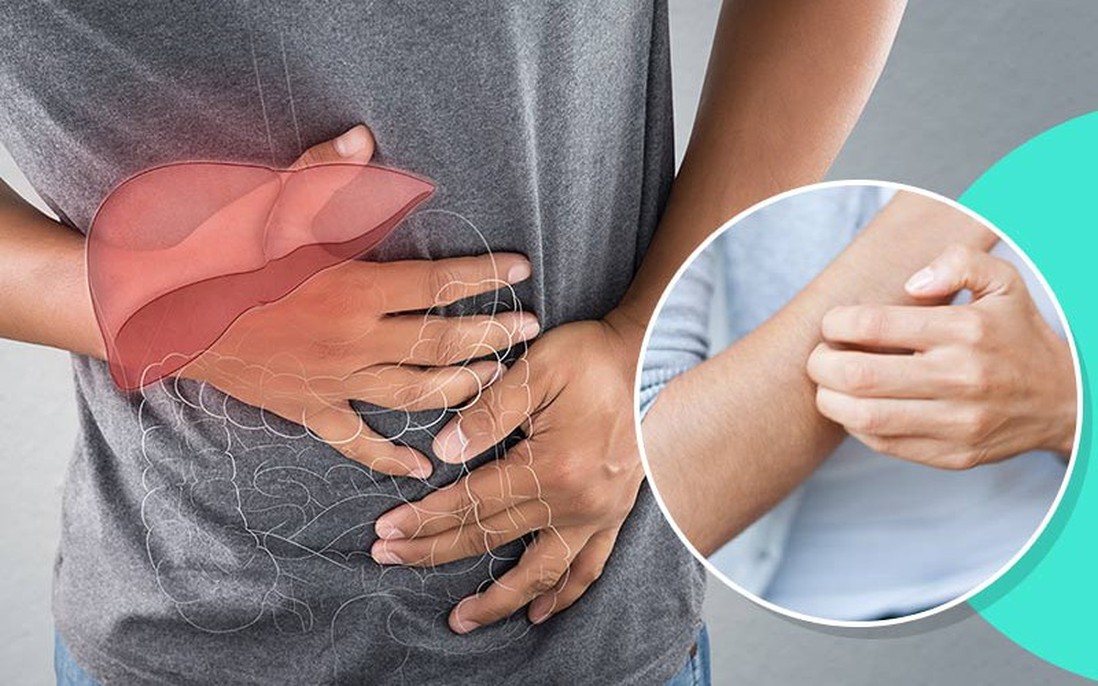
Your hands can sometimes provide visible clues about your overall health, but they cannot diagnose liver disease by themselves.
Three changes worth knowing about are:
Palmar erythema can occur with chronic liver disease, although it also has many other causes.
Certain patterns of nail discoloration or structural changes can occur with chronic liver disease, but they are not specific to the liver.
Conditions such as Dupuytren's contracture can affect the hands and have associations with several health conditions, including liver disease, but they are not proof of liver dysfunction.
The most important point is to look at the whole picture.
If hand changes occur alongside jaundice, abdominal swelling, leg edema, unusual bruising, persistent fatigue, confusion, or other symptoms, speak with a healthcare professional.
Your hands aren't a liver test.
A red palm doesn't automatically mean cirrhosis, and an unusual fingernail doesn't automatically mean liver failure.
But your hands can sometimes be one small piece of a much larger health picture.
Because chronic liver disease can develop quietly, especially in its earlier stages, paying attention to persistent physical changes and maintaining regular medical care is more useful than waiting for dramatic symptoms.
If you're concerned about your liver health, a healthcare professional can use blood tests, physical examination, and appropriate imaging to determine what's actually happening.
Don't panic over one isolated hand change but don't ignore persistent changes when they're accompanied by other symptoms either.
7 Everyday Water-Drinking Habits That May Do More Harm Than Good
Could Your Dishwashing Habits Be Affecting Your Family’s Health?
Think Papaya Is Just About the Fruit? Its Seeds May Have More to Offer
2 Spices That May Put Extra Stress on Your Liver and Kidneys
Could a Health Condition Be Causing Your Swollen Legs?

Could These Be Early Signs of a Stroke? What to Know

8 Glasses of Water a Day? Here’s What You Really Need to Know

Your Morning Routine Matters: 4 Habits That May Raise Str0ke Risk

What Science Really Says About Small Breasts Might Surprise You
If Your Skin Looks Like This, Doctors Say Don't Ignore It

This Common Mistake Can Delay Life-Saving Treatment
6 Types of Warts You Should Never Ignore

The Silent Signs of Kid.ney Failure Most People Ignore
7 Changes You Might Experience When You Stop Having Sex

Simple daily foods may help support healthy arteries and heart function.

Some egg dishes can pose risks when prepared improperly or stored badly.

Cassava feeds millions worldwide, yet improper preparation can be risky.
This precious vegetable can ease joint and bone pa:in — yet most people pull it out without knowing its value
Do You Always Need the Bathroom After a Meal? Read This
7 Everyday Water-Drinking Habits That May Do More Harm Than Good
Could Your Dishwashing Habits Be Affecting Your Family’s Health?
Think Papaya Is Just About the Fruit? Its Seeds May Have More to Offer
2 Spices That May Put Extra Stress on Your Liver and Kidneys
Could a Health Condition Be Causing Your Swollen Legs?
Could These Be Early Signs of a Stroke? What to Know
8 Glasses of Water a Day? Here’s What You Really Need to Know
Your Morning Routine Matters: 4 Habits That May Raise Str0ke Risk
Challenge Your Brain: Can You Solve This Math Puzzle in 10 Seconds?
What Science Really Says About Small Breasts Might Surprise You
If Your Skin Looks Like This, Doctors Say Don't Ignore It
This Common Mistake Can Delay Life-Saving Treatment
Your Brain Picks a Side Instantly—Here's What It Means
6 Types of Warts You Should Never Ignore
The Silent Signs of Kid.ney Failure Most People Ignore
7 Changes You Might Experience When You Stop Having Sex