The liver is one of the hardest-working organs in the human body. Every day, it performs hundreds of essential functions that help keep us alive and healthy. From filtering toxins and processing nutrients to regulating metabolism and supporting digestion, the liver plays a central role in overall well-being.
What makes liver disease particularly concerning is that it can develop silently. In its early stages, liver problems often cause few or no obvious symptoms. Many people do not realize there is an issue until significant damage has already occurred.
Fortunately, the liver also has a remarkable ability to repair itself. Identifying early warning signs and adopting healthy lifestyle habits can help support liver function and reduce the risk of further damage.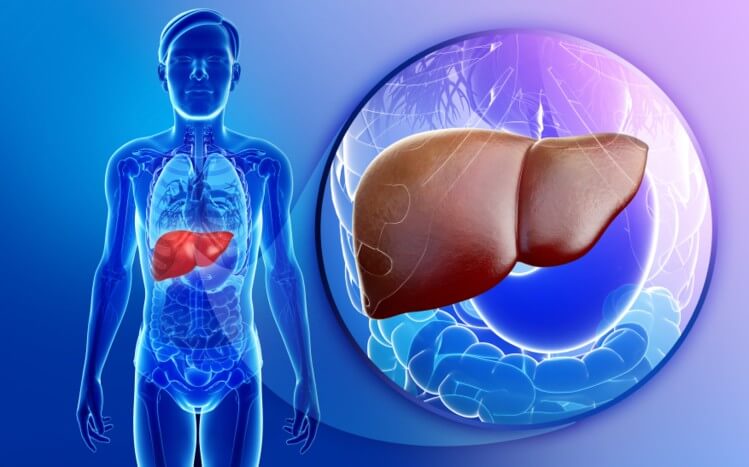
Why the Liver Is So Important
The liver performs more than 500 known functions, including:
-
Filtering harmful substances from the blood
-
Producing bile for digestion
-
Processing medications
-
Storing vitamins and minerals
-
Regulating blood sugar
-
Supporting immune function
-
Metabolizing fats, proteins, and carbohydrates
Because the liver is involved in so many processes, liver problems can affect multiple areas of health.
Common Causes of Liver Stress and Damage
Several factors may contribute to liver problems.
Fatty Liver Disease
Excess fat accumulation in the liver is becoming increasingly common worldwide.
Excessive Alcohol Consumption
Heavy alcohol use can damage liver cells over time.
Viral Hepatitis
Certain viral infections can cause inflammation and liver injury.
Obesity
Excess body weight increases the risk of fatty liver disease.
Type 2 Diabetes
Insulin resistance is closely linked to liver health.
Certain Medications
Some medications may affect liver function, particularly when taken improperly.
Environmental Toxins
Long-term exposure to certain chemicals may increase liver stress.
Early Symptoms That May Signal Liver Problems
Because early symptoms can be subtle, they are often overlooked.
1. Persistent Fatigue
One of the most commonly reported symptoms of liver dysfunction is ongoing tiredness.
People may notice:
-
Low energy
-
Reduced stamina
-
Difficulty concentrating
While fatigue has many possible causes, persistent exhaustion should not be ignored.
2. Digestive Discomfort
The liver contributes to digestion through bile production.
When liver function is affected, some people may experience:
-
Bloating
-
Indigestion
-
Nausea
-
Reduced appetite
These symptoms are common and not specific to liver disease, but they may warrant attention when persistent.
3. Unexplained Weight Changes
Some individuals notice:
-
Unintentional weight loss
-
Reduced appetite
-
Changes in eating habits
These symptoms can occur in a variety of medical conditions, including liver disorders.
4. Discomfort in the Upper Right Abdomen
The liver is located in the upper right portion of the abdomen.
Some people report:
-
Pressure
-
Fullness
-
Mild discomfort
Persistent abdominal symptoms should be evaluated by a healthcare professional.
5. Changes in Skin Appearance
The skin can sometimes reflect internal health issues.
Possible changes include:
-
Itching
-
Easy bruising
-
Increased skin sensitivity
These symptoms may have many causes and should not be used for self-diagnosis.
6. Dark Urine
Urine color can be influenced by hydration, medications, and other factors.
Persistent dark urine that is not related to dehydration should be discussed with a healthcare provider.
7. Yellowing of the Skin or Eyes
Known as jaundice, this occurs when bilirubin accumulates in the body.
Jaundice is an important medical sign that requires prompt evaluation.
8. Swelling
Advanced liver problems may sometimes contribute to:
-
Leg swelling
-
Ankle swelling
-
Abdominal swelling
These symptoms warrant medical attention.
Why Early Detection Matters
Many liver conditions respond better when identified early.
Benefits of early detection include:
-
More treatment options
-
Reduced risk of complications
-
Better long-term outcomes
-
Improved quality of life
Routine health checkups often help detect liver problems before symptoms become severe.
Understanding Fatty Liver Disease
One of the most common liver conditions today is non-alcoholic fatty liver disease (NAFLD).
What Happens?
Excess fat accumulates inside liver cells.
Risk Factors
Include:
-
Obesity
-
Type 2 diabetes
-
High cholesterol
-
Sedentary lifestyle
Why It Matters
In some cases, fatty liver disease may progress to inflammation and scarring if left unmanaged.
Habits That May Support Liver Health
While no food or supplement can "detox" the liver overnight, healthy habits can support its natural functions.
1. Maintain a Healthy Weight
Weight management is one of the most effective ways to support liver health.
Why It Helps
Reducing excess body fat may:
-
Decrease liver fat
-
Improve insulin sensitivity
-
Support metabolic health
Even modest weight loss may provide meaningful benefits.
2. Follow a Balanced Diet
Nutrition plays a major role in liver wellness.
Focus on:
-
Vegetables
-
Fruits
-
Whole grains
-
Legumes
-
Lean proteins
-
Healthy fats
Limit:
-
Sugary beverages
-
Ultra-processed foods
-
Excessive saturated fats
A Mediterranean-style eating pattern is often recommended for overall health.
3. Exercise Regularly
Physical activity helps improve:
-
Weight management
-
Blood sugar control
-
Liver fat levels
Recommended Activities
-
Walking
-
Swimming
-
Cycling
-
Strength training
Consistency matters more than perfection.
4. Limit Alcohol Intake
Excessive alcohol consumption remains a major cause of liver disease worldwide.
Reducing alcohol intake may significantly decrease liver stress.
5. Stay Hydrated
Water supports numerous bodily functions.
While hydration does not directly "cleanse" the liver, it contributes to overall health and normal metabolic processes.
6. Get Adequate Sleep
Sleep influences:
-
Hormone balance
-
Metabolism
-
Inflammation
Poor sleep has been linked to several metabolic disorders that affect liver health.
7. Manage Blood Sugar Levels
Individuals with diabetes or insulin resistance should work with healthcare professionals to maintain healthy glucose control.
Improved blood sugar regulation often benefits the liver as well.
8. Be Careful With Supplements
Many people assume supplements are always safe.
However, some herbal products and high-dose supplements may affect the liver.
Always follow medical guidance when using supplements.
Foods Commonly Associated With Liver-Friendly Diets
Coffee
Research suggests moderate coffee consumption may be associated with certain liver health benefits.
Leafy Greens
Examples include:
-
Spinach
-
Kale
-
Arugula
Fatty Fish
Rich in omega-3 fatty acids:
-
Salmon
-
Sardines
-
Mackerel
Nuts
Especially:
-
Walnuts
-
Almonds
Olive Oil
A staple of Mediterranean dietary patterns.
Common Myths About Liver Health
Myth 1: Liver Disease Always Causes Symptoms
Many people experience no symptoms until significant damage occurs.
Myth 2: Detox Drinks Can Repair the Liver
The liver already has natural detoxification systems.
No beverage can instantly reverse liver damage.
Myth 3: Only Alcohol Causes Liver Disease
Many liver conditions occur in people who rarely drink alcohol.
Myth 4: Supplements Are Always Beneficial
Some supplements may actually stress the liver if used improperly.
When to Seek Medical Advice
Consult a healthcare professional if you experience:
-
Persistent fatigue
-
Jaundice
-
Ongoing digestive problems
-
Unexplained weight loss
-
Abdominal discomfort
-
Swelling
-
Abnormal liver test results
Prompt evaluation allows appropriate diagnosis and treatment.
Supporting Recovery After Liver Stress
The liver has an impressive capacity to heal when damaging factors are removed.
Recovery often focuses on:
-
Healthy nutrition
-
Weight management
-
Exercise
-
Limiting alcohol
-
Managing medical conditions
-
Following professional medical advice
Small lifestyle changes maintained consistently often provide the greatest long-term benefits.:format(webp)/cac_benh_ve_gan_nguyen_nhan_dau_hieu_va_bien_phap_bao_ve_suc_khoe_1_9ae66065f0.png)
Final Thoughts
The liver is one of the body's most important organs, yet liver problems often develop quietly. Early symptoms such as fatigue, digestive discomfort, abdominal fullness, changes in urine color, and unexplained weight changes may sometimes indicate that the liver needs attention.
Fortunately, many forms of liver stress can be improved through healthy lifestyle habits. Maintaining a balanced diet, exercising regularly, achieving a healthy weight, limiting alcohol intake, and managing underlying health conditions all contribute to better liver function.
While no single food or supplement can guarantee liver health, consistent healthy choices can support the liver's remarkable ability to protect and repair itself over time.