The liver is one of the hardest-working organs in the human body. It performs hundreds of essential functions every day, including filtering toxins, processing nutrients, producing proteins, storing energy, and helping regulate metabolism. Despite its importance, liver disease is often called a "silent condition" because symptoms may develop gradually and remain unnoticed for years.
Interestingly, some of the earliest warning signs of liver problems become more noticeable at night. While these symptoms do not necessarily mean a person has liver disease, they may indicate that the liver is under stress and deserves medical attention.
Recognizing these nighttime signals early could help identify potential health concerns before they become more serious.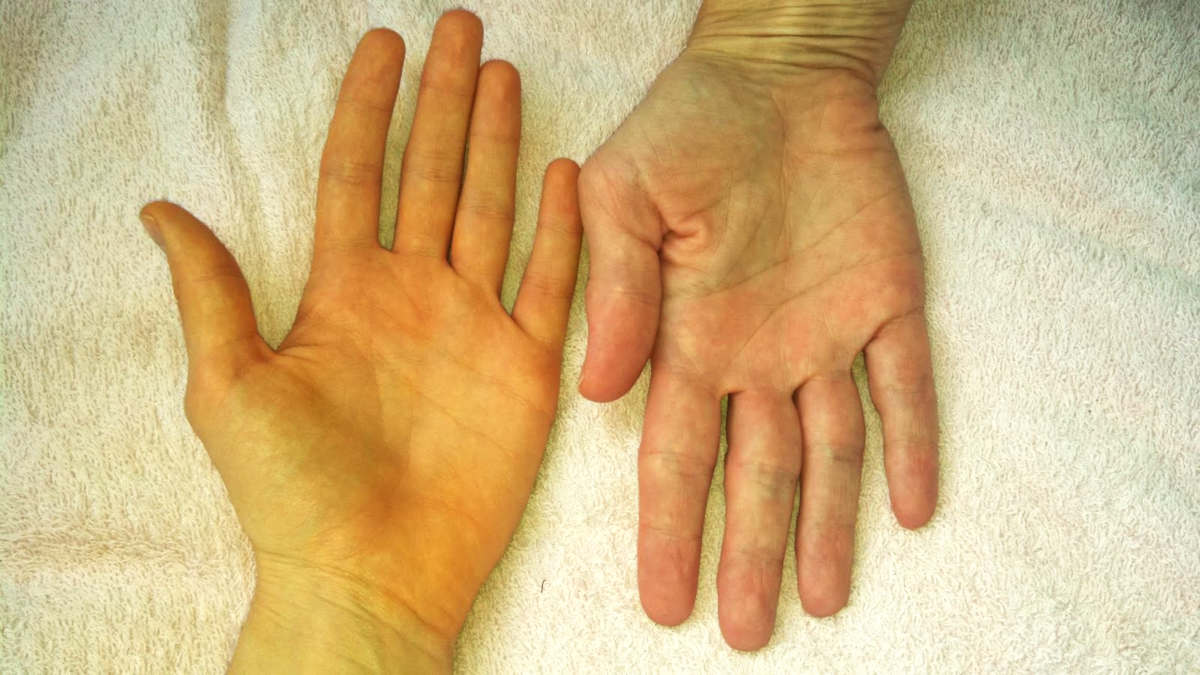
Why Liver Health Matters
The liver performs more than 500 vital functions, including:
-
Filtering waste products from the blood
-
Breaking down medications
-
Producing bile for digestion
-
Regulating blood sugar
-
Storing vitamins and minerals
-
Supporting immune function
When liver function becomes impaired, various systems throughout the body can be affected.
Common causes of liver problems include:
-
Fatty liver disease
-
Excessive alcohol consumption
-
Viral hepatitis
-
Certain medications
-
Obesity
-
Type 2 diabetes
-
Autoimmune disorders
Because the liver plays such a central role in overall health, even minor dysfunction can produce noticeable symptoms.
1. Persistent Itching That Gets Worse at Night
One of the most commonly overlooked symptoms of liver dysfunction is itching, also known as pruritus.
What It Feels Like
People often report:
-
Unexplained itching
-
No visible rash
-
Symptoms worsening after dark
-
Difficulty sleeping due to discomfort
The itching may affect:
-
Arms
-
Legs
-
Hands
-
Feet
-
Entire body
Why It Happens
Researchers believe that liver dysfunction may sometimes affect how certain substances are processed and eliminated from the body, contributing to itching sensations.
Although many conditions can cause itching, persistent unexplained itching should not be ignored.
2. Difficulty Sleeping and Frequent Nighttime Awakening
Sleep disturbances are surprisingly common among individuals with liver-related health issues.
Possible Symptoms
-
Trouble falling asleep
-
Frequent waking during the night
-
Restless sleep
-
Feeling exhausted despite spending enough time in bed
The Liver-Sleep Connection
The exact relationship is complex.
Potential contributing factors include:
-
Metabolic changes
-
Hormonal disruptions
-
Itching
-
General discomfort
-
Changes in circadian rhythms
Poor sleep can further affect overall health and quality of life.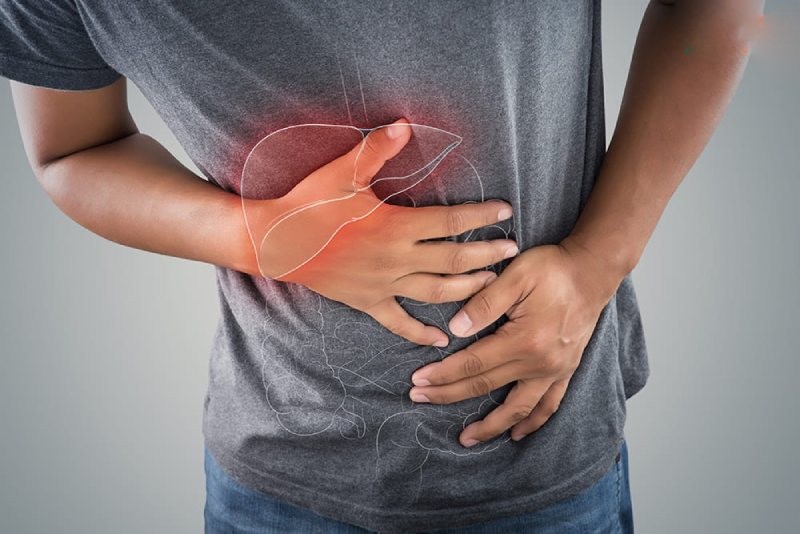
3. Night Sweats
Occasional sweating during sleep is common, especially in warm environments.
However, frequent night sweats without an obvious explanation may warrant attention.
Signs to Watch For
-
Waking up with damp clothing
-
Sweaty sheets
-
Repeated episodes during the week
Night sweats may have many causes, including:
-
Infections
-
Hormonal changes
-
Certain medications
-
Underlying medical conditions
In some cases, liver disorders may contribute to temperature regulation changes.
4. Pain or Discomfort in the Upper Right Abdomen
The liver is located in the upper right side of the abdomen.
When liver problems develop, some individuals may experience discomfort in this area.
Possible Sensations
-
Dull ache
-
Feeling of fullness
-
Pressure beneath the ribs
-
Mild tenderness
Many people notice these sensations more at night when they are lying quietly and paying greater attention to bodily sensations.
While abdominal discomfort can have numerous causes, persistent symptoms should be evaluated by a healthcare professional.
Other Possible Signs of Liver Problems
Although nighttime symptoms can provide clues, liver disease may also cause symptoms during the day.
These may include:
Unusual Fatigue
Many individuals with liver disorders experience persistent tiredness that doesn't improve with rest.
Yellowing of the Skin or Eyes
Known as jaundice, this occurs when bilirubin accumulates in the body.
Dark Urine
Changes in urine color can sometimes indicate liver-related issues.
Loss of Appetite
Some people experience reduced interest in food.
Unexplained Weight Changes
Weight loss or weight gain may occur depending on the underlying condition.
Easy Bruising
The liver helps produce proteins involved in blood clotting.
Impaired function may affect this process.
Who Is at Higher Risk?
Certain factors increase the risk of developing liver disease.
These include:
-
Obesity
-
Type 2 diabetes
-
Excessive alcohol use
-
High cholesterol
-
Viral hepatitis infection
-
Family history of liver disease
-
Long-term exposure to certain medications
Individuals with multiple risk factors should consider regular health screenings.
Fatty Liver Disease: A Growing Concern
One of the most common liver conditions today is non-alcoholic fatty liver disease (NAFLD).
This condition occurs when excess fat accumulates in the liver.
Risk factors include:
-
Overweight or obesity
-
Insulin resistance
-
High blood pressure
-
Elevated triglycerides
Many people with fatty liver disease experience no symptoms initially.
This is why regular medical checkups are important.
How to Support Liver Health
Although not all liver conditions can be prevented, several lifestyle habits may help support healthy liver function.
Maintain a Healthy Weight
Excess body fat increases the risk of fatty liver disease.
Eat a Balanced Diet
Focus on:
-
Vegetables
-
Fruits
-
Whole grains
-
Lean proteins
-
Healthy fats
Limit excessive intake of:
-
Sugary drinks
-
Highly processed foods
-
Excess saturated fat
Exercise Regularly
Physical activity helps support metabolism and overall liver health.
Limit Alcohol
Excessive alcohol consumption remains one of the leading causes of liver damage worldwide.
Stay Hydrated
Adequate hydration supports many bodily functions, including metabolism and waste removal.
When Should You See a Doctor?
Seek medical advice if you experience:
-
Persistent itching
-
Ongoing sleep disturbances
-
Frequent night sweats
-
Abdominal discomfort
-
Yellowing of the eyes or skin
-
Unexplained fatigue
-
Dark urine
Simple blood tests and imaging studies can often provide valuable information about liver health.
Common Myths About Liver Disease
Myth 1: Liver Disease Only Affects Heavy Drinkers
Many liver conditions occur in people who consume little or no alcohol.
Myth 2: Liver Problems Always Cause Pain
Many liver diseases remain symptom-free for years.
Myth 3: If Symptoms Improve, the Problem Is Gone
Some liver conditions fluctuate, making professional evaluation important.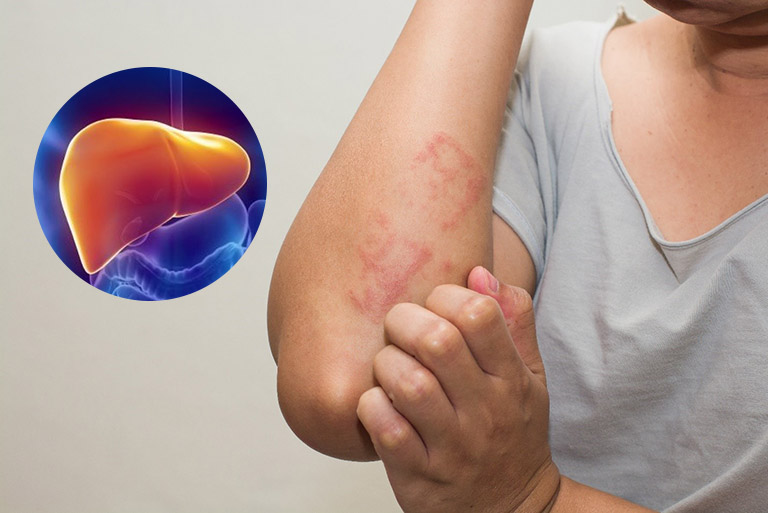
Final Thoughts
The liver is remarkably resilient, but it is not invincible. Persistent nighttime itching, sleep disturbances, night sweats, and upper-right abdominal discomfort may sometimes be early warning signs that liver health deserves attention.
These symptoms do not automatically indicate serious liver disease, but they should not be dismissed - especially when they occur repeatedly or are accompanied by other concerning changes.
Listening to your body's signals and seeking timely medical advice can help protect one of your most important organs and support long-term health. Sometimes the clues appear when the world is asleep and paying attention to them could make all the difference.