For many people, mornings follow the same familiar pattern: wake up, get out of bed, rush through breakfast, drink a cup of coffee, take a shower, and start the day.
But if you live with high blood pressure, some of these ordinary routines deserve a little more attention.
Blood pressure naturally changes throughout the day. For many people, it tends to rise after waking, influenced by hormones, activity, stress, and the body's transition from sleep to wakefulness. This doesn't mean that normal morning activities are dangerous, but it does mean that certain habits can temporarily push blood pressure higher.
The good news is that you don't need to completely change your morning routine.
Instead, small adjustments - such as getting up gradually, taking prescribed medication consistently, limiting excessive caffeine, staying hydrated, and avoiding unnecessary stress can help support better blood-pressure management.
Here are some common morning habits worth reconsidering.
Why Blood Pressure Can Be Higher in the Morning
Blood pressure isn't a fixed number.
It changes constantly depending on what you're doing, how you're feeling, what you've eaten, how well you've slept, and many other factors.
In many healthy adults, blood pressure follows a daily pattern known as the circadian rhythm.
During sleep, blood pressure generally decreases.
As morning approaches, hormones such as cortisol and adrenaline increase, helping the body become more alert.
Heart rate and blood pressure can rise as you wake and begin moving around.
For most people, this is a normal physiological response.
However, people with hypertension may already have elevated blood pressure, so additional factors such as stress, nicotine, caffeine, poor sleep, or certain medications can contribute to higher readings.
That's why your morning routine matters.
1. Don't Jump Out of Bed Too Quickly
One of the simplest habits to reconsider is how you get out of bed.
After several hours lying down, suddenly standing can cause a temporary change in blood pressure.
Some people—particularly older adults or those taking certain blood-pressure medications—may experience orthostatic hypotension, a drop in blood pressure after standing.
This can cause:
-
Dizziness
-
Lightheadedness
-
Weakness
-
Blurred vision
-
Feeling unsteady
A simple approach is to sit on the edge of the bed for a moment before standing.
Move your feet and ankles.
Take a breath.
Then stand slowly.
This doesn't directly lower high blood pressure, but it can reduce the chance of feeling faint when changing position.
2. Don't Skip Your Prescribed Medication
If your doctor has prescribed medication for hypertension, consistency matters.
One of the most common mistakes people make is taking medication only when they feel that their blood pressure is high.
The problem is that high blood pressure often causes no noticeable symptoms.
You can feel completely normal while your blood pressure remains elevated.
That's why antihypertensive medication should generally be taken exactly as prescribed rather than based on how you feel.
Some medications are specifically intended to be taken in the morning, while others may be taken at different times.
Don't change the timing or dose on your own.
If you're unsure when to take your medication, ask your doctor or pharmacist.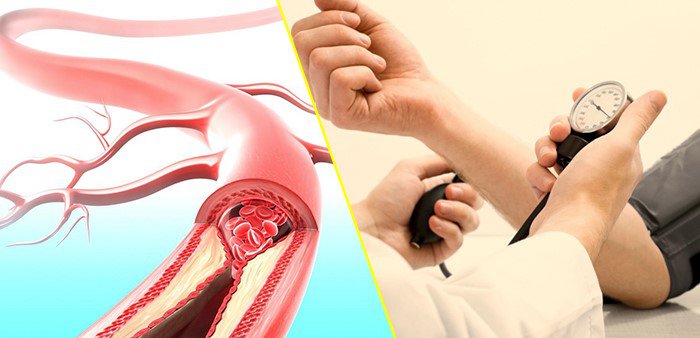
3. Be Careful With Your Morning Coffee
For millions of people, coffee is an essential part of waking up.
But caffeine can temporarily increase blood pressure in some individuals.
The response varies considerably.
Some regular coffee drinkers develop tolerance to caffeine's blood-pressure effects, while others remain more sensitive.
If you're monitoring hypertension, pay attention to how your body responds.
One useful approach is to measure your blood pressure before drinking coffee and again around 30 to 120 minutes afterward, following a consistent measurement technique.
If you repeatedly notice a significant increase, discuss your caffeine intake with your healthcare professional.
You may not need to eliminate coffee completely.
Reducing the amount, choosing a lower-caffeine option, or avoiding multiple strong cups in a short period may be enough.
4. Don't Start the Day With Cigarettes or Nicotine
For people who smoke, a morning cigarette can become part of an automatic routine.
But nicotine can temporarily raise blood pressure and heart rate by stimulating the cardiovascular system and causing blood vessels to constrict.
The effects aren't limited to cigarettes.
Other nicotine products can also affect blood pressure.
If you have hypertension, avoiding tobacco and working toward quitting nicotine is one of the most meaningful lifestyle changes you can make for cardiovascular health.
If quitting feels difficult, that's normal.
Evidence-based cessation programs, counseling, and medications can significantly improve the chances of success.
5. Don't Turn Breakfast Into a Sodium Bomb
Breakfast may seem harmless, but certain common foods can contain substantial amounts of sodium.
Examples include:
-
Processed meats
-
Sausage
-
Bacon
-
Salted cheeses
-
Instant noodles
-
Packaged breakfast sandwiches
-
Highly processed frozen foods
-
Certain sauces and condiments
Eating too much sodium can contribute to higher blood pressure, particularly in people who are salt-sensitive.
A more heart-conscious breakfast might include:
Oatmeal + fruit + unsalted nuts
or
Eggs + vegetables + whole-grain toast
or
Plain yogurt + berries + seeds
The goal isn't to eliminate salt completely.
Your body needs sodium.
The issue is excessive intake, especially from heavily processed foods.
6. Don't Dehydrate Yourself
You don't necessarily need to drink a huge amount of water immediately after waking.
But starting the day adequately hydrated is reasonable.
Overnight, you go several hours without drinking.
If you're thirsty when you wake up, drinking water can help restore normal fluid intake.
However, people with certain heart or kidney conditions may have specific fluid restrictions.
If you've been instructed to limit fluids, follow your healthcare professional's recommendations rather than generic advice.
7. Avoid an Extremely Stressful Start to the Day
Stress can temporarily increase blood pressure.
For some people, the morning begins with a frantic routine:
Wake up late.
Check work messages.
Rush through breakfast.
Search for missing keys.
Drive through heavy traffic.
Arrive at work already overwhelmed.
That repeated pattern can contribute to a stressful cardiovascular environment.
You don't need a two-hour morning meditation routine.
Even small changes can help.
Try preparing clothes the night before.
Pack lunch in advance.
Set the alarm a little earlier.
Avoid checking stressful messages immediately after waking.
Give yourself a few extra minutes.
A calmer morning isn't just more pleasant.
It may also make it easier to maintain healthy habits throughout the day.
8. Be Careful With Sudden, Intense Exercise
Exercise is one of the most important lifestyle habits for people with hypertension.
Regular physical activity can help lower blood pressure over time.
But there's a difference between regular exercise and suddenly performing intense activity without preparation.
For example, someone who normally spends the morning sitting down shouldn't suddenly sprint, lift extremely heavy weights, or perform intense intervals without appropriate conditioning.
A better approach is to warm up gradually.
Start with light walking or gentle movement.
Then increase intensity according to your fitness level and medical guidance.
If you have uncontrolled hypertension or cardiovascular disease, talk to your healthcare professional before beginning vigorous exercise.
9. Don't Ignore a Poor Night's Sleep
Your morning routine actually begins the night before.
Poor sleep is associated with an increased risk of hypertension and can make blood-pressure management more difficult.
If you're repeatedly waking up exhausted, don't simply assume you're "not a morning person."
Consider whether something is interfering with your sleep.
Possible causes include:
-
Irregular sleep schedules
-
Alcohol
-
Stress
-
Excessive evening caffeine
-
Certain medications
-
Chronic pain
-
Sleep apnea
Sleep apnea deserves particular attention.
Loud snoring, witnessed pauses in breathing, gasping during sleep, morning headaches, and excessive daytime sleepiness can be signs that deserve medical evaluation.
Untreated sleep apnea is associated with hypertension and cardiovascular problems.
10. Don't Take Certain Cold Medicines Without Checking First
This is an especially important point during cold and allergy season.
Some over-the-counter decongestants, particularly those containing ingredients such as pseudoephedrine or phenylephrine, can affect blood pressure.
That doesn't mean everyone with hypertension must avoid every cold medicine.
But it's wise to check the label and ask a pharmacist or healthcare professional before using decongestants if you have high blood pressure.
Some medications can also interact with your existing prescriptions.
"Over the counter" doesn't automatically mean "risk-free."
11. Be Careful With Energy Drinks
Some people use energy drinks instead of coffee to wake up.
These products can contain substantial amounts of caffeine and other stimulants.
Depending on the product and the individual, they may temporarily increase heart rate or blood pressure.
If you have hypertension, especially if it's poorly controlled, it's worth discussing energy-drink consumption with your healthcare professional.
A regular cup of coffee may have a very different stimulant profile from a large energy drink.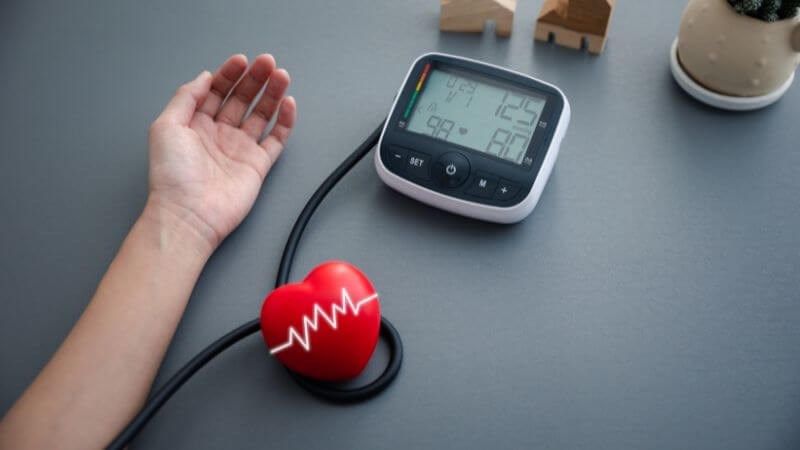
12. Don't Measure Your Blood Pressure Immediately After Running Around
If you're checking your blood pressure at home, the timing and technique matter.
Don't take a reading immediately after:
-
Exercising
-
Climbing stairs
-
Drinking coffee
-
Smoking
-
Eating
-
Rushing around
Instead, sit quietly for several minutes before measuring.
Keep your back supported.
Place both feet flat on the floor.
Support your arm at heart level.
Use a properly sized cuff.
Then take the measurement according to the monitor's instructions.
Consistent technique makes your readings much more useful.
13. Don't Panic Over One High Reading
Seeing a higher-than-usual number can be frightening.
But one elevated reading doesn't automatically mean something is seriously wrong.
Blood pressure can temporarily rise because of:
-
Stress
-
Caffeine
-
Exercise
-
Pain
-
Poor sleep
-
A full bladder
-
Incorrect cuff placement
-
Talking during measurement
If you get an unexpectedly high reading, sit quietly and repeat the measurement after a few minutes.
Keep a record of your readings rather than focusing on one isolated number.
However, extremely high readings accompanied by concerning symptoms require urgent medical attention.
14. Pay Attention to Your Morning Blood-Pressure Pattern
For some people with hypertension, blood pressure may be consistently higher in the morning.
If you regularly notice elevated morning readings, don't simply assume that's normal for you.
Record your readings over several days and share them with your doctor.
Your healthcare professional may want to look at:
-
Medication timing
-
Sleep quality
-
Caffeine use
-
Alcohol intake
-
Sodium consumption
-
Physical activity
-
Possible sleep apnea
-
Overall blood-pressure patterns
This information can help guide treatment decisions.
15. Don't Assume "Natural" Products Are Automatically Safe
Some people turn to herbal supplements or natural products in an attempt to control blood pressure.
But "natural" doesn't automatically mean harmless.
Certain supplements can interact with prescription medications or affect blood pressure, heart rhythm, or kidney function.
If you're taking medication for hypertension, tell your doctor or pharmacist about any supplements you're considering.
Don't replace prescribed treatment with an unproven supplement without medical guidance.
A Better Morning Routine for Blood Pressure
A blood-pressure-friendly morning doesn't have to be complicated.
Consider a routine like this:
Wake up gradually
Sit for a moment before standing.
Take prescribed medication as directed
Follow the schedule provided by your healthcare professional.
Drink water if you're thirsty
Unless you've been given fluid restrictions.
Eat a balanced breakfast
Choose foods with fiber, protein, fruits, and vegetables while limiting excessive sodium.
Limit excessive caffeine
Especially if you notice that caffeine raises your readings.
Move gently
Take a short walk or perform light activity before increasing intensity.
Give yourself time
Avoid starting the day in a frantic rush whenever possible.
These aren't magical tricks.
They're simply practical habits that can support good cardiovascular health.
What Is the DASH Diet?
If you're looking for a broader dietary approach, you may have heard of the DASH diet, short for Dietary Approaches to Stop Hypertension.
It emphasizes foods such as:
-
Fruits
-
Vegetables
-
Whole grains
-
Beans
-
Nuts
-
Seeds
-
Low-fat or fat-free dairy
-
Fish
-
Poultry
It generally limits excessive sodium, saturated fat, and added sugars.
Research has shown that the DASH eating pattern can help lower blood pressure, particularly when combined with appropriate sodium reduction.
You don't necessarily need to follow it perfectly.
Even adopting some of its principles can improve overall diet quality.
Small Changes Can Add Up
Managing high blood pressure isn't usually about finding one miracle habit.
It's about doing many small things consistently.
Taking medication correctly.
Eating more vegetables.
Reducing excessive sodium.
Staying active.
Getting enough sleep.
Avoiding tobacco.
Managing stress.
Monitoring blood pressure accurately.
Each habit may seem relatively small.
Together, they can make a meaningful difference.
When High Blood Pressure Becomes an Emergency
Most high blood-pressure readings don't cause immediate symptoms.
But extremely high blood pressure can sometimes be associated with a medical emergency, particularly when accompanied by symptoms suggesting damage to vital organs.
If your blood pressure is 180/120 mm Hg or higher, repeat the measurement after resting quietly for several minutes.
If it remains that high, contact a healthcare professional promptly.
If very high blood pressure occurs with symptoms such as:
-
Chest pain
-
Shortness of breath
-
Severe headache
-
Confusion
-
Weakness or numbness
-
Difficulty speaking
-
Vision changes
-
Severe back pain
seek emergency medical care immediately.
Don't attempt to lower dangerously high blood pressure on your own with extra medication unless a healthcare professional has specifically instructed you to do so.
Final Thoughts
Living with high blood pressure doesn't mean you have to be afraid of your morning routine.
In most cases, the goal is simply to become more aware of habits that can temporarily affect blood pressure and make healthier choices consistently.
Get up gradually.
Take prescribed medication as directed.
Be mindful of caffeine and nicotine.
Choose a lower-sodium breakfast.
Stay appropriately hydrated.
Avoid unnecessary morning stress.
Exercise regularly, but build intensity sensibly.
And measure your blood pressure correctly.
Most importantly, don't rely on symptoms to tell you whether your blood pressure is under control. Hypertension can be silent, which is why regular monitoring and appropriate medical care are so important.
Your morning doesn't need to be perfect.
A few thoughtful changes, repeated day after day, can become part of a routine that supports your heart and overall health for years to come.