Acid reflux is one of the most common digestive complaints worldwide. For some people, it occurs occasionally after a large meal, while for others, it becomes a frequent and frustrating problem that affects daily life.
The burning sensation in the chest, often called heartburn, is just one symptom. Acid reflux can also cause a sour taste in the mouth, chronic coughing, throat irritation, bloating, and discomfort after eating. While medications can be effective, many people are looking for natural ways to reduce symptoms and improve digestive health.
The good news is that small lifestyle changes can sometimes make a significant difference. Although there is no single solution that works for everyone, health experts often recommend three simple habits that may help reduce acid reflux naturally.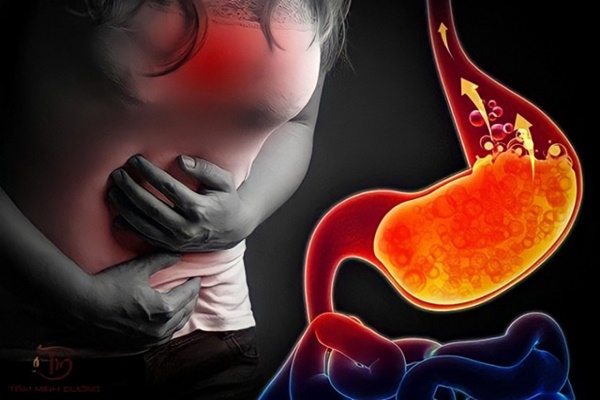
Understanding Acid Reflux
Before exploring these habits, it's helpful to understand what acid reflux actually is.
Normally, a ring of muscle called the lower esophageal sphincter (LES) acts like a valve between the esophagus and the stomach. After food enters the stomach, this valve should close tightly.
When the valve weakens or relaxes at inappropriate times, stomach contents can flow back into the esophagus. Because stomach acid is highly acidic, this can cause irritation and the familiar burning sensation associated with heartburn.
Common symptoms include:
-
Burning in the chest
-
Sour or bitter taste
-
Regurgitation of food or liquid
-
Difficulty swallowing
-
Chronic cough
-
Hoarseness
-
Sore throat
-
Feeling of a lump in the throat
If symptoms occur frequently, a person may have gastroesophageal reflux disease (GERD), which should be evaluated by a healthcare professional.
Habit #1: Stop Eating Large Meals Late at Night
One of the most common triggers for acid reflux is eating too much food too close to bedtime.
When you lie down shortly after eating, gravity can no longer help keep stomach contents where they belong. This increases the likelihood that acid will move upward into the esophagus.
Why Timing Matters
After a meal, the stomach requires time to digest food properly.
Going to bed with a full stomach may:
-
Increase pressure inside the stomach
-
Promote reflux episodes
-
Cause nighttime heartburn
-
Disrupt sleep quality
What Experts Recommend
Try to:
-
Finish dinner at least 2–3 hours before bedtime
-
Avoid large evening meals
-
Choose lighter dinners when possible
-
Limit nighttime snacking
Many people notice significant improvement simply by adjusting meal timing.
Habit #2: Identify and Reduce Trigger Foods
Not all foods affect everyone the same way, but certain foods are commonly associated with reflux symptoms.
Common Trigger Foods
These may include:
-
Fried foods
-
Fatty meals
-
Spicy foods
-
Chocolate
-
Peppermint
-
Tomatoes
-
Citrus fruits
-
Carbonated beverages
-
Alcohol
-
Coffee
The goal is not necessarily to eliminate every food on this list forever. Instead, try to identify which foods trigger your symptoms.
Keep a Food Journal
A simple food diary can help reveal patterns.
Record:
-
What you eat
-
When you eat
-
Symptoms that occur afterward
After a few weeks, many people discover specific triggers that were previously unnoticed.
Focus on Reflux-Friendly Foods
Many individuals find relief by including:
-
Oatmeal
-
Bananas
-
Melons
-
Leafy greens
-
Lean proteins
-
Brown rice
-
Whole grains
-
Non-citrus fruits
A balanced diet can support digestive health while minimizing reflux triggers.
Habit #3: Improve Your Sleeping Position
Many people are surprised to learn that sleeping position can influence acid reflux symptoms.
Why Position Matters
When lying flat, stomach acid may more easily travel upward into the esophagus.
This is particularly problematic during the night because reflux episodes may occur without fully waking you.
Helpful Sleep Adjustments
Experts often recommend:
Elevating the Head of the Bed
Raising the head of the bed by approximately 6–8 inches may help keep stomach acid where it belongs.
This can often be accomplished with:
-
Bed risers
-
Wedge pillows
-
Adjustable beds
Sleeping on the Left Side
Some research suggests that left-side sleeping may reduce nighttime reflux compared to sleeping on the right side.
The anatomical position of the stomach appears to make reflux less likely when sleeping on the left side.
Avoid Sleeping Completely Flat
Stacking regular pillows may not be as effective as elevating the entire upper body.
Proper support can make a meaningful difference for some individuals.
Additional Habits That May Help
Although the three habits above are often recommended first, several other lifestyle factors can influence reflux symptoms.
Maintain a Healthy Weight
Excess abdominal weight can increase pressure on the stomach and contribute to reflux.
Even modest weight loss may reduce symptoms in some individuals.
Avoid Tight Clothing
Tight belts and restrictive waistbands can place pressure on the stomach and increase reflux risk.
Eat Slowly
Eating too quickly may lead to overeating and increased stomach pressure.
Try to:
-
Take smaller bites
-
Chew thoroughly
-
Eat mindfully
Stay Hydrated
Proper hydration supports digestion and overall health.
However, drinking very large amounts of liquid during meals may increase stomach fullness in some individuals.
Quit Smoking
Smoking can weaken the lower esophageal sphincter and increase reflux symptoms.
Stopping smoking benefits both digestive and overall health.
When Natural Approaches May Not Be Enough
While lifestyle changes help many people, persistent reflux should never be ignored.
Seek medical advice if you experience:
-
Frequent heartburn
-
Difficulty swallowing
-
Unexplained weight loss
-
Chest pain
-
Chronic cough
-
Symptoms occurring multiple times per week
Long-term untreated GERD can lead to complications, including inflammation and damage to the esophagus.
A healthcare professional can determine whether additional evaluation or treatment is necessary.
Common Myths About Acid Reflux
Myth 1: Acid Reflux Is Always Caused by Too Much Acid
In reality, reflux often occurs because stomach acid reaches the wrong place—not necessarily because the body produces excessive acid.
Myth 2: Only Older Adults Get Reflux
Acid reflux can affect people of all ages, including young adults and children.
Myth 3: Medication Is the Only Solution
While medications can be effective, lifestyle modifications often play a major role in symptom management.
Final Thoughts
Acid reflux can be uncomfortable, frustrating, and disruptive, but simple lifestyle changes may provide meaningful relief for many people.
If you're looking for a natural place to start, focus on these three habits:
-
Avoid large meals close to bedtime.
-
Identify and reduce personal trigger foods.
-
Improve your sleeping position.
These adjustments may seem small, but over time they can help reduce reflux episodes and improve overall digestive comfort.
Remember, everyone's body is different. What works for one person may not work for another. The key is consistency, patience, and paying attention to how your body responds.
Sometimes the path to better digestive health begins with just a few simple daily habits.