Have you noticed that your shoes feel tighter than usual? Do your feet or ankles appear puffy at the end of the day? Occasional swelling in the feet can happen to almost anyone, especially after standing for long periods or during hot weather. However, when swelling becomes frequent, persistent, or unexplained, it may be your body's way of signaling that something deserves attention.
Swollen feet, medically known as peripheral edema, occur when excess fluid accumulates in the tissues of the feet, ankles, or lower legs. While sometimes harmless, swelling can also be associated with underlying health conditions involving the heart, kidneys, liver, circulation, or lymphatic system.
Understanding the possible causes can help you recognize when swelling is simply temporary and when it may require medical evaluation.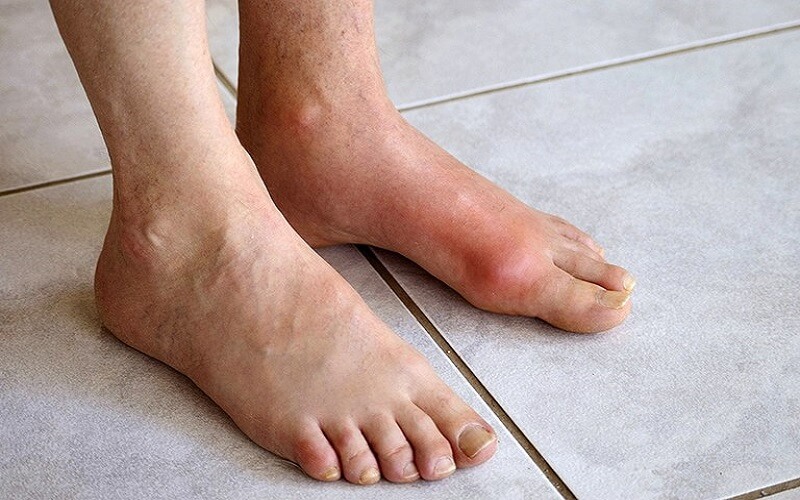
What Causes Foot Swelling?
The body carefully regulates fluid balance. When this balance is disrupted, fluid may accumulate in the lower extremities due to gravity.
Swelling can affect:
-
One foot
-
Both feet
-
Ankles
-
Lower legs
-
Entire lower limbs
The severity can range from mild puffiness to significant enlargement that affects mobility and comfort.
1. Standing or Sitting Too Long
One of the most common and harmless causes of swollen feet is prolonged inactivity.
When you remain in one position for extended periods:
-
Blood circulation slows
-
Fluid pools in the lower legs
-
Gravity pulls fluid downward
Common situations include:
-
Long work shifts
-
Air travel
-
Road trips
-
Sitting at a desk all day
What You May Notice
-
Swelling that worsens later in the day
-
Improvement after rest
-
Mild ankle puffiness
-
Tight shoes
In many cases, walking and elevating the feet help reduce the swelling.
2. Excess Sodium Intake
Eating too much salt may cause the body to retain water.
High-sodium foods include:
-
Processed snacks
-
Fast food
-
Canned soups
-
Processed meats
-
Packaged meals
When sodium levels rise, the body often holds onto extra fluid to maintain balance.
Signs of Salt-Related Water Retention
-
Swollen feet and ankles
-
Puffiness in the hands
-
Temporary weight gain
-
Feeling bloated
Reducing sodium intake and drinking adequate water may help alleviate symptoms.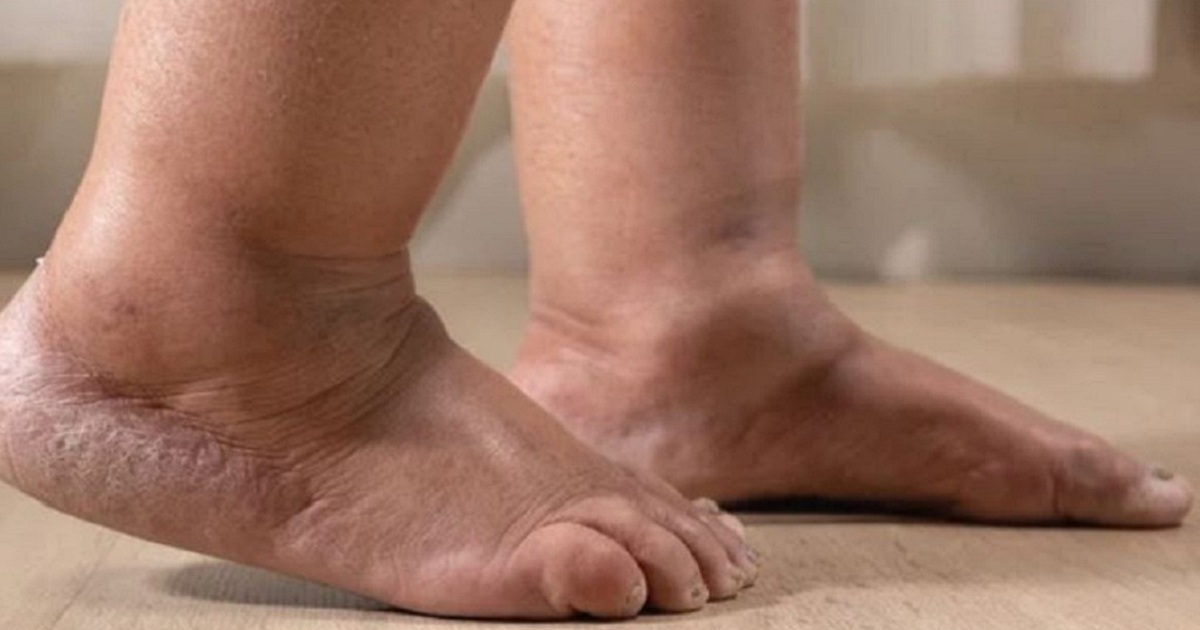
3. Poor Circulation
Circulatory problems can interfere with the body's ability to move blood efficiently back toward the heart.
One common condition is chronic venous insufficiency.
What Happens?
Veins contain valves that help blood flow upward against gravity. When these valves weaken, blood can pool in the lower legs.
Possible symptoms include:
-
Swollen ankles
-
Leg heaviness
-
Aching legs
-
Varicose veins
-
Skin discoloration
This condition becomes more common with age.
4. Heart Problems
Persistent swelling in both feet may sometimes be related to heart function.
When the heart cannot pump blood effectively, fluid may accumulate in various parts of the body, including the legs and feet.
Possible symptoms may include:
-
Swollen feet and ankles
-
Shortness of breath
-
Fatigue
-
Difficulty exercising
-
Rapid weight gain due to fluid retention
Heart-related swelling often develops gradually and should be evaluated by a healthcare professional.
5. Kidney Issues
The kidneys help regulate fluid and electrolyte balance.
When kidney function becomes impaired, the body may struggle to eliminate excess fluid.
Potential signs include:
-
Swelling in the feet
-
Puffy eyes
-
Fatigue
-
Changes in urination
-
Elevated blood pressure
Because kidney disease can progress silently, persistent swelling should never be ignored.
6. Liver Disease
The liver produces proteins that help keep fluid inside blood vessels.
Certain liver conditions can reduce protein production, allowing fluid to leak into surrounding tissues.
Symptoms may include:
-
Swollen feet
-
Swollen abdomen
-
Fatigue
-
Easy bruising
-
Jaundice (yellowing of the skin or eyes)
Medical evaluation is important if these symptoms occur.
7. Lymphedema
The lymphatic system helps remove excess fluid from tissues.
When lymphatic drainage becomes impaired, fluid can accumulate and cause chronic swelling.
Common causes include:
-
Previous surgery
-
Radiation therapy
-
Infection
-
Congenital lymphatic disorders
Lymphedema often causes:
-
Persistent swelling
-
Tight skin
-
Reduced flexibility
-
Feelings of heaviness
Unlike temporary swelling, lymphedema often requires specialized treatment.
8. Certain Medications
Some medications can contribute to fluid retention.
Examples include:
-
Blood pressure medications
-
Certain diabetes medications
-
Steroids
-
Hormonal therapies
-
Some anti-inflammatory drugs
If swelling develops after starting a new medication, consult your healthcare provider.
Never stop prescribed medication without medical guidance.
9. Pregnancy
Swollen feet are extremely common during pregnancy.
Growing pressure from the uterus can affect circulation and fluid balance.
Mild swelling is often normal, especially during the third trimester.
However, sudden or severe swelling—particularly when accompanied by high blood pressure, headaches, or vision changes—may require immediate medical attention.
10. Injury or Infection
Sometimes swelling affects only one foot.
This may occur due to:
-
Sprains
-
Fractures
-
Tendon injuries
-
Infections
-
Insect bites
Signs that may indicate infection include:
-
Redness
-
Warmth
-
Pain
-
Fever
Medical care may be necessary in these situations.
When Should You Be Concerned?
Occasional swelling after a long day is usually not dangerous.
However, you should seek medical advice if swelling:
-
Occurs frequently
-
Persists for several days
-
Is worsening
-
Affects only one leg suddenly
-
Causes significant pain
-
Is accompanied by shortness of breath
-
Occurs with chest pain
-
Is associated with unexplained weight gain
These symptoms may indicate a more serious underlying condition.
What Can You Do to Reduce Swelling?
Depending on the cause, several lifestyle measures may help.
Elevate Your Feet
Raising the feet above heart level can encourage fluid to move back toward the upper body.
Stay Active
Walking stimulates circulation and helps prevent fluid buildup.
Reduce Excess Salt
Limiting sodium may help reduce water retention.
Wear Comfortable Footwear
Properly fitting shoes can reduce discomfort and improve circulation.
Stay Hydrated
Drinking enough water supports healthy fluid regulation.
Avoid Long Periods of Inactivity
Take regular movement breaks when sitting or standing for extended periods.
The Importance of Listening to Your Body
Swollen feet are often dismissed as a minor inconvenience, but they can sometimes serve as an early warning sign of an underlying health issue.
The body frequently provides subtle clues before more serious symptoms appear. Paying attention to these signals may allow for earlier diagnosis and treatment of conditions affecting the heart, kidneys, liver, circulation, or lymphatic system.
Final Thoughts
Occasional foot swelling is common and often harmless, especially after long periods of standing, sitting, or consuming salty foods. However, frequent or persistent swelling should not be ignored.
Your feet may be telling you something important about your overall health. Whether the cause is simple fluid retention or an underlying medical condition, understanding the potential reasons behind swollen feet can help you take appropriate action.
If swelling becomes recurrent, severe, or is accompanied by other concerning symptoms, consult a healthcare professional. Early evaluation can provide peace of mind and help identify any health issues before they become more serious.
Sometimes the body's smallest signals can reveal the biggest clues about your health.