Blueberries have earned a reputation as one of the healthiest fruits you can eat. They are sweet without being overwhelmingly sugary, easy to add to breakfast, and packed with nutrients and plant compounds that have attracted considerable attention from nutrition researchers.
But even foods considered “superfoods” deserve a closer look.
Blueberries are not a magic cure, and eating more is not automatically better. Their potential benefits depend on the overall quality of your diet, how you consume them, and your individual health needs. For most people, however, blueberries can be a nutritious and convenient addition to a balanced eating pattern.
Here’s what you should know before reaching for your next handful.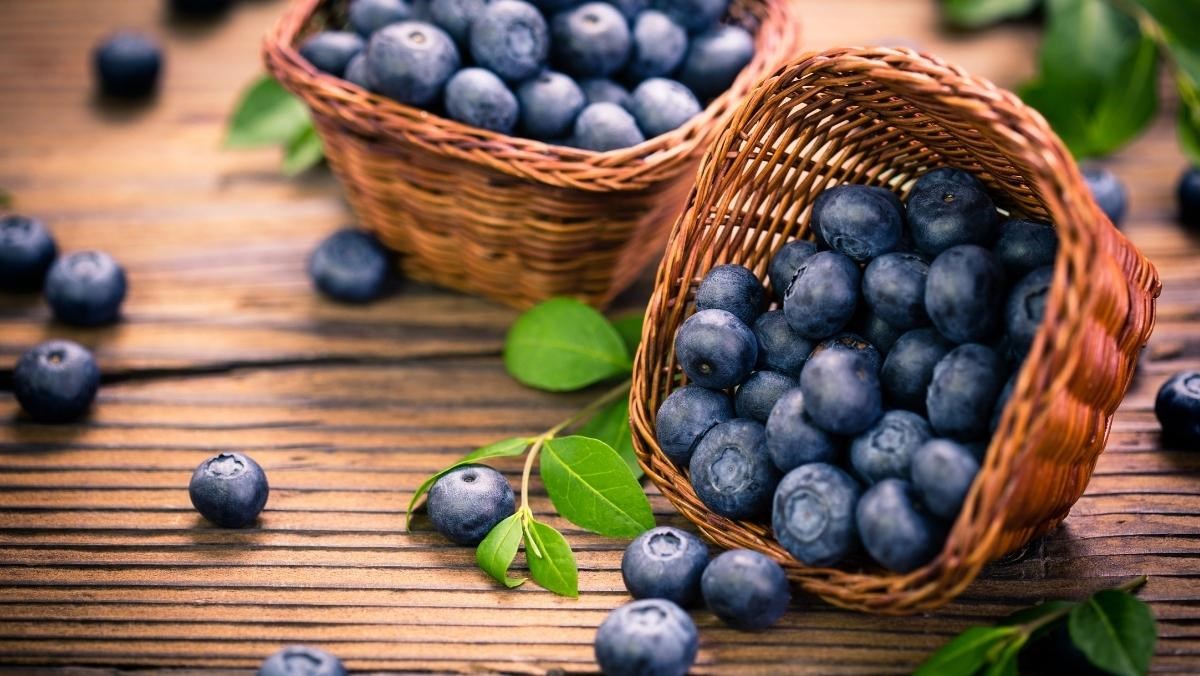
Blueberries Are Small, but Nutritionally Dense
One reason blueberries are so widely recommended is their combination of relatively low energy density and useful nutrients.
They provide:
-
Fiber, which supports normal digestion and helps you feel full
-
Vitamin C, an antioxidant involved in immune function and collagen production
-
Vitamin K, which plays an important role in normal blood clotting and bone metabolism
-
Manganese, a mineral involved in several metabolic processes
-
Water, which contributes to overall hydration
-
Polyphenols, including anthocyanins that give blueberries their characteristic blue-purple color
They also provide naturally occurring carbohydrates, making them a useful source of energy.
Importantly, blueberries are not nutritionally valuable because of one isolated ingredient. Their appeal comes from the combination of fiber, vitamins, minerals, and plant compounds found naturally in the whole fruit.
The Antioxidant Story Is More Complicated Than It Sounds
You have probably heard that blueberries are “loaded with antioxidants.”
There is truth behind that statement, but the way antioxidant claims are sometimes presented online can be misleading.
Blueberries contain anthocyanins and other polyphenols. These compounds can participate in the body's complex systems that regulate oxidative stress and inflammation.
However, eating a food with antioxidant compounds does not mean those compounds simply enter your bloodstream and “destroy free radicals.”
Human nutrition is considerably more complicated.
What researchers are interested in is how dietary patterns rich in fruits, vegetables, and other plant foods may influence long-term health. Blueberries are one useful component of that pattern, rather than a standalone treatment for disease.
What About Heart Health?
This is one of the areas where blueberries have received considerable scientific interest.
Some research has associated diets rich in berries and other plant foods with favorable cardiovascular outcomes. Studies specifically examining blueberries have also explored potential effects on blood pressure, vascular function, and other markers of cardiovascular health.
Anthocyanins may contribute to some of these effects.
But there is an important distinction between research showing a possible association or physiological effect and proving that eating blueberries prevents heart disease.
Blueberries cannot compensate for smoking, physical inactivity, chronically high blood pressure, an unhealthy overall diet, or other major cardiovascular risk factors.
Think of them as one small piece of a much larger picture.
Your Brain May Benefit From a Berry-Rich Diet
Blueberries are also frequently discussed in connection with cognitive health.
Researchers have investigated whether berry consumption and anthocyanin-rich diets may influence memory and aspects of cognitive performance, particularly as people age.
Some studies have produced encouraging findings, but this area of research is still developing.
That means it would be inappropriate to describe blueberries as a treatment for dementia or Alzheimer's disease.
A more reasonable conclusion is that regularly eating a variety of nutrient-rich plant foods—including berries—can be part of an overall dietary pattern that supports healthy aging.
And unlike many heavily marketed supplements, whole blueberries also provide fiber and other nutrients.
Blueberries and Blood Sugar
Because blueberries contain natural sugar, some people wonder whether they should avoid them if they are concerned about blood glucose.
For most people, there is no need to fear the natural sugars in whole fruit.
The fiber and structure of whole blueberries make them very different from consuming a concentrated sugary beverage.
That doesn't mean blueberries have zero effect on blood glucose. They still contain carbohydrates, and portion size matters, particularly for people who need to carefully manage carbohydrate intake.
The bigger issue is often what comes with the blueberries.
A bowl of plain blueberries is one thing.
A blueberry muffin loaded with refined flour and added sugar is something entirely different.
Likewise, a flavored blueberry drink may contain far more added sugar than the fruit itself.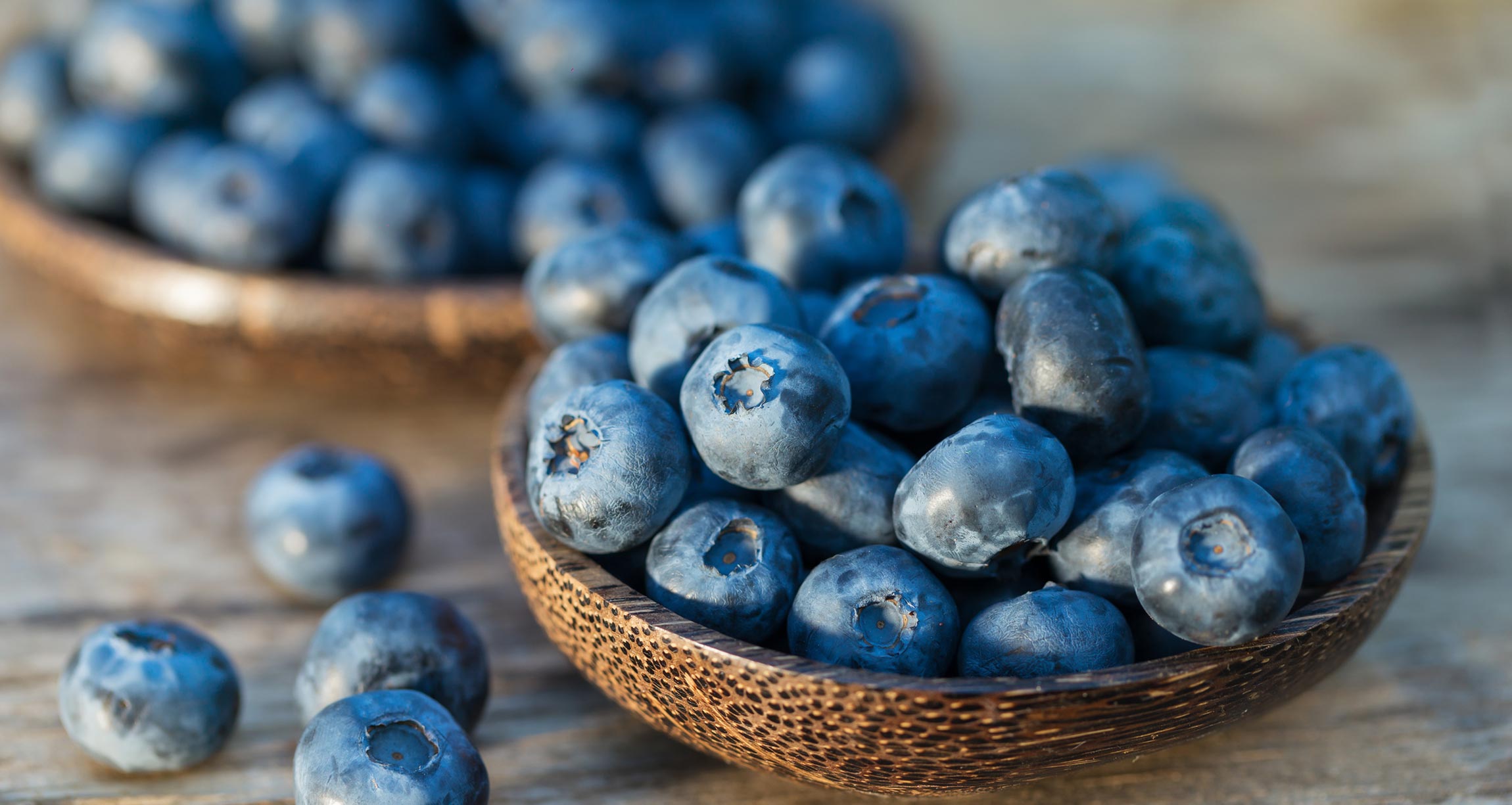
Whole Blueberries Are Usually Better Than Sugary Blueberry Products
This distinction is easy to overlook.
A product can have the word “blueberry” on the label without providing the same nutritional profile as whole blueberries.
Blueberry-flavored cereal, pastries, sweetened yogurt, syrups, jams, and beverages may contain relatively little actual blueberry while providing substantial amounts of added sugar.
If your goal is to get the nutritional benefits associated with blueberries, whole or minimally processed blueberries are generally the better choice.
Frozen blueberries can also be an excellent option.
They are convenient, available year-round in many places, and can be used in oatmeal, smoothies, yogurt, or eaten after thawing.
Fresh or Frozen: Which Is Better?
Fresh blueberries are nutritious, but frozen blueberries should not be dismissed.
Freezing can preserve much of the nutritional value of fruit, and frozen berries can be particularly useful when fresh berries are expensive or unavailable.
In fact, frozen blueberries can make healthy eating easier because they can be stored for long periods without spoiling quickly.
The important thing is to check the package.
Choose products without unnecessary added sugar when possible.
If the ingredient list simply contains blueberries, you're getting a very different product from one containing added syrups or sweeteners.
What About Dried Blueberries?
This is where portion size becomes particularly important.
Removing water from fruit makes it much more concentrated.
A small amount of dried fruit can therefore contain considerably more sugar and calories than the same-looking portion of fresh fruit.
Some commercial dried blueberries also contain added sugar.
That doesn't make dried blueberries inherently unhealthy, but they are much easier to overeat.
If you're snacking on them, pay attention to the serving size and check the nutrition label.
Blueberries Can Support Digestive Health
Another benefit comes from fiber.
Fiber is important for normal bowel function and can also serve as a substrate for beneficial microbes in the gut.
Blueberries contain both soluble and insoluble components that contribute to their fiber content.
Eating fiber-rich foods regularly can support digestive health and help promote regular bowel movements.
But if your current diet is very low in fiber, suddenly eating large quantities of berries may cause bloating or digestive discomfort.
Increasing fiber gradually and drinking enough fluids can make the transition easier.
Can You Eat Blueberries Every Day?
For most healthy adults, there is nothing inherently wrong with eating blueberries every day.
The key is variety and portion size.
You don't need to eat enormous quantities to benefit from including them in your diet.
A serving of blueberries alongside other fruits, vegetables, whole grains, nuts, seeds, legumes, and protein-rich foods can contribute to an overall nutritious dietary pattern.
There's also little reason to believe that one particular fruit needs to dominate your diet.
Strawberries, raspberries, blackberries, oranges, apples, kiwi, and many other fruits offer different combinations of nutrients and plant compounds.
Variety is a strength.
But There Are Situations Where You Should Pay Attention
“Healthy” doesn't mean “appropriate for everyone in unlimited amounts.”
People with specific medical conditions, dietary restrictions, or medication considerations may need individualized advice.
For example, people taking warfarin should generally keep their vitamin K intake reasonably consistent rather than making sudden, dramatic changes in foods containing vitamin K. Blueberries are not among the richest dietary sources of vitamin K, but medication management should always be discussed with the prescribing clinician.
People with food allergies should obviously avoid blueberries if they have previously experienced an allergic reaction to them.
And anyone who notices symptoms such as swelling, hives, difficulty breathing, or other signs of a serious allergic reaction after eating a food should seek appropriate medical attention.
Don't Confuse Blueberries With Blueberry Supplements
There's another important distinction.
Eating blueberries is not the same thing as taking a concentrated anthocyanin or blueberry extract supplement.
Supplements can contain highly concentrated amounts of specific compounds, and their effects may not match those of the whole fruit.
A supplement also doesn't automatically provide the fiber, water, and full combination of nutrients found in whole blueberries.
Unless a healthcare professional has recommended a particular supplement for a specific reason, there is generally little justification for assuming that more concentrated automatically means better.
The Way You Eat Blueberries Matters
One of the easiest ways to make blueberries part of a balanced diet is to combine them with other nutritious foods.
Try adding them to:
Plain Greek yogurt:
The combination provides protein, calcium, and the nutrients naturally found in blueberries.
Oatmeal:
Blueberries pair naturally with oats, providing additional fiber and flavor without requiring large amounts of added sugar.
A smoothie:
Blend blueberries with unsweetened yogurt or milk, another fruit, and perhaps leafy greens or seeds.
A snack bowl:
Combine blueberries with nuts or seeds for a more satisfying snack.
Whole-grain breakfast foods:
Adding berries can provide sweetness without relying entirely on syrups or refined sugar.
The goal isn't to turn every meal into a “superfood” recipe.
It's simply to make nutritious choices easier and more enjoyable.
Don't Let the “Superfood” Label Fool You
Perhaps the most important thing doctors and nutrition professionals would want people to remember is that no single food determines your health.
Blueberries can be an excellent food.
But they don't erase the effects of a poor overall diet.
If someone eats blueberries every morning but rarely eats vegetables, gets little physical activity, sleeps poorly, smokes, or has uncontrolled blood pressure, adding another handful of berries won't solve those problems.
Health is built from patterns.
That means what you eat most of the time matters far more than whether you consumed one particular “superfood” today.
So, Should You Keep Eating Blueberries?
For most people, yes.
Whole blueberries are nutrient-dense, versatile, and an easy way to increase fruit intake. Their fiber, vitamins, and polyphenols make them a valuable part of a varied diet.
But there's no need to treat them as a miracle food.
You don't need massive portions.
You don't need expensive blueberry supplements.
And you don't need to believe every dramatic claim you see online.
A practical approach is much simpler: choose whole blueberries when possible, watch added sugars in processed blueberry products, vary the fruits and vegetables you eat, and consider your individual health needs.
The Bottom Line
Blueberries deserve their reputation as a nutritious fruit—but their real value is found in the bigger picture.
They can contribute fiber, micronutrients, and beneficial plant compounds to your diet, while also making healthy meals more enjoyable.
So the next time you reach for a handful of blueberries, you don't need to feel suspicious of them.
Just remember: the healthiest diet isn't built around one miracle food. It's built around a consistent variety of nutritious foods, sensible portions, and habits you can maintain for years.