Cucumbers are one of the simplest foods you can add to your daily diet. Crisp, refreshing, naturally low in calories, and made up mostly of water, they are often treated as little more than a salad ingredient.
But eating cucumbers regularly may offer more than just crunch.
Cucumbers provide water, fiber, vitamin K, potassium, and a variety of plant compounds. They can fit easily into meals, snacks, sandwiches, salads, and even drinks. For people trying to eat more vegetables without dramatically increasing calorie intake, cucumbers can be an especially convenient choice.
Still, eating a food every day doesn't automatically make it a miracle cure. The benefits depend on your overall diet, portion size, preparation, and individual health needs.
So, what might happen if you start eating cucumbers every day?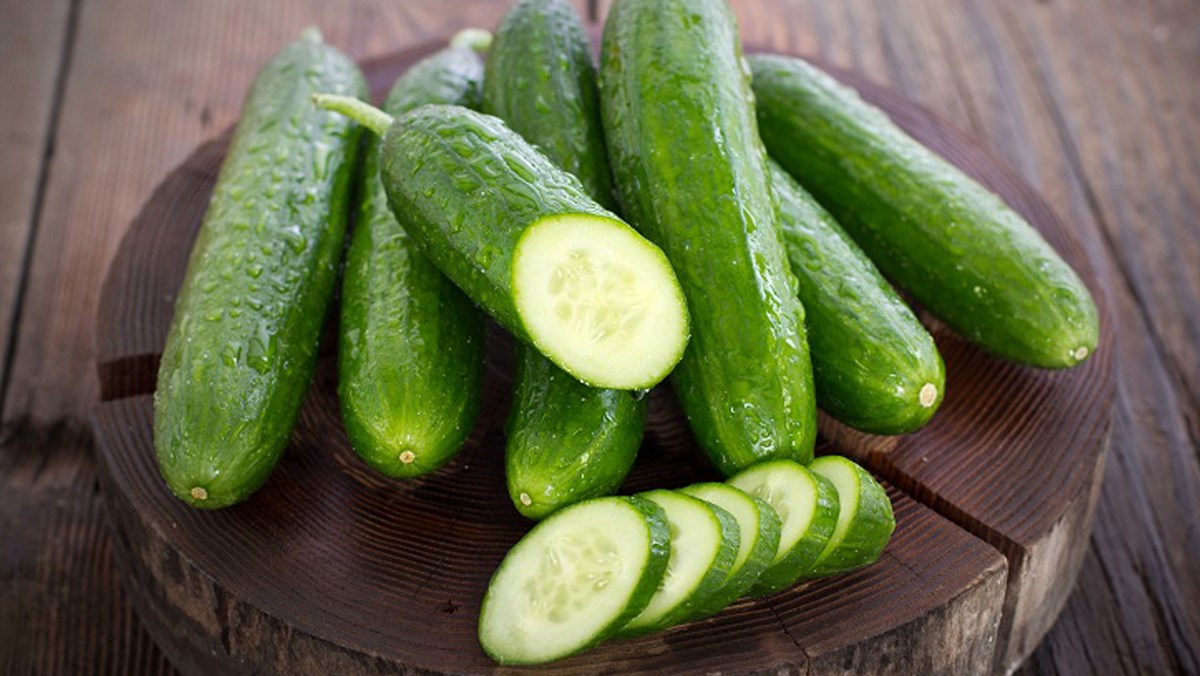
1. You May Stay Better Hydrated
One of the most obvious characteristics of cucumbers is their exceptionally high water content.
Because cucumbers contain a large amount of water, eating them can contribute to your overall daily fluid intake.
Hydration is important for many normal body functions, including:
-
Regulating body temperature
-
Supporting circulation
-
Lubricating joints
-
Maintaining normal digestion
-
Supporting kidney function
-
Transporting nutrients
-
Removing waste through urine
Of course, eating cucumbers shouldn't replace drinking water.
But if you struggle to consume enough fluids throughout the day, water-rich foods such as cucumbers, watermelon, oranges, tomatoes, and lettuce can help contribute to your overall hydration.
2. Cucumbers Can Be a Low-Calorie Addition to Your Diet
If you're trying to manage your weight, cucumbers can be useful because they provide plenty of volume for relatively few calories.
A large portion of cucumber can make a meal feel more substantial without adding the same number of calories as many processed snacks.
For example, replacing a high-calorie snack with sliced cucumber and a nutritious dip can help reduce overall calorie intake while still providing something crunchy and satisfying.
However, cucumbers don't directly "burn fat."
No single vegetable can specifically melt belly fat or accelerate metabolism enough to produce meaningful weight loss on its own.
The advantage of cucumbers is much simpler:
They can make it easier to build a lower-calorie, nutrient-rich eating pattern.
3. Your Digestive System May Benefit From More Fiber
Cucumbers contain dietary fiber, particularly when the peel is eaten.
Fiber plays an important role in digestive health.
It can help:
-
Support regular bowel movements
-
Increase stool bulk
-
Promote feelings of fullness
-
Support beneficial gut bacteria
-
Contribute to healthy cholesterol levels
If your current diet is low in fiber, adding cucumber is one small way to increase your intake.
However, cucumbers alone won't provide all the fiber you need.
For a more substantial fiber intake, combine them with foods such as:
Beans, lentils, oats, whole grains, berries, apples, leafy greens, nuts, and seeds.
4. Eating Cucumbers May Help You Eat More Vegetables
Sometimes the biggest benefit of a food isn't a specific nutrient.
It's the fact that the food makes healthy eating easier.
Cucumbers require very little preparation.
You can wash one, slice it, and eat it immediately.
That convenience can make it easier to add vegetables to meals throughout the day.
Try adding cucumber to:
-
Breakfast sandwiches
-
Salads
-
Wraps
-
Rice bowls
-
Grain bowls
-
Soups
-
Yogurt-based dips
-
Homemade sandwiches
Small additions like these can gradually increase your overall vegetable intake.
And a diet rich in different vegetables is associated with numerous long-term health benefits.
5. Cucumbers Provide Vitamin K
Cucumbers contain vitamin K, particularly when the peel is included.
Vitamin K plays an important role in normal blood clotting and contributes to bone health.
The amount you get from cucumber isn't enormous compared with some leafy green vegetables, but it still contributes to your overall intake.
If you're taking warfarin or another medication affected by vitamin K, consistency in your intake of vitamin-K-containing foods can be important.
You shouldn't suddenly make major changes to your diet without discussing them with your healthcare professional.
6. They Provide Potassium
Cucumbers also contain potassium, an essential mineral involved in:
-
Muscle function
-
Nerve signaling
-
Fluid balance
-
Normal blood pressure regulation
Potassium-rich foods are commonly included in heart-healthy dietary patterns.
However, cucumbers aren't an exceptionally concentrated source compared with foods such as potatoes, beans, lentils, spinach, or bananas.
Think of cucumber as one small contributor to your overall potassium intake rather than a primary source.
7. Their Plant Compounds Provide Antioxidant Activity
Cucumbers contain various plant compounds, including flavonoids and other phytochemicals.
These substances can contribute to the antioxidant capacity of the diet.
Antioxidants help protect cells from oxidative stress as part of the body's normal biological processes.
This doesn't mean cucumbers "remove toxins" from your body.
Your liver, kidneys, lungs, and other systems already handle waste and metabolic byproducts.
Cucumbers simply contribute nutrients and plant compounds that support a healthy dietary pattern.
8. Cucumbers May Fit Well Into a Heart-Healthy Diet
Cucumbers can be part of an eating pattern that supports cardiovascular health because they're naturally low in calories and provide water, fiber, potassium, and plant compounds.
But the biggest cardiovascular benefits come from the overall dietary pattern.
A diet based around vegetables, fruits, whole grains, legumes, nuts, seeds, fish, and other minimally processed foods is much more important than eating one particular vegetable.
For example, a cucumber salad can be very nutritious.
But if it's covered in a heavy, salty dressing, the nutritional picture changes.
9. Your Skin May Benefit Indirectly
Cucumbers are sometimes promoted as a food that will dramatically transform your skin.
The reality is more modest.
Their water content can contribute to overall hydration, while vitamin C and other plant compounds contribute to normal nutritional support for the skin.
But eating cucumber isn't a substitute for:
-
Adequate sleep
-
Sun protection
-
Balanced nutrition
-
Regular physical activity
-
Appropriate skincare
-
Medical treatment for skin conditions
Putting cucumber slices over your eyes may temporarily make the area feel cool and refreshed, but eating cucumber shouldn't be marketed as a cure for wrinkles or other skin conditions.
10. You May Feel Fuller Between Meals
Cucumbers contain water and some fiber, which can contribute to fullness.
They're particularly useful when paired with protein or healthy fats.
For example:
Cucumber + hummus
or
Cucumber + plain Greek yogurt
can be more satisfying than eating cucumber alone.
This combination provides a broader range of nutrients and may help keep hunger under control between meals.
11. Cucumbers Can Replace Less Nutritious Snacks
This may be one of their most practical benefits.
Imagine you normally reach for chips in the afternoon.
Replacing some of those snacks with cucumber slices can reduce your intake of calories, saturated fat, and sodium while increasing your intake of water and certain micronutrients.
The cucumber isn't magically improving your metabolism.
You're simply replacing a less nutritious option with a more nutrient-dense one.
That kind of substitution can make a meaningful difference when repeated consistently.
What Happens If You Eat Cucumbers With the Peel?
The peel contains additional fiber and plant compounds.
If you enjoy the peel and the cucumber has been properly washed, there's generally no need to remove it.
However, some people prefer peeled cucumbers because they find the skin difficult to digest or don't like the texture.
Both options are fine.
If you're buying conventionally grown produce, wash cucumbers thoroughly under running water before eating.
There's no need to use household soap or detergent.
What About Cucumber Seeds?
Cucumber seeds are edible.
They contribute some nutrients and are not inherently harmful.
There is no general medical reason to remove them.
If you're eating a fresh cucumber, you can simply eat the entire vegetable unless the texture bothers you.
Can Eating Cucumbers Every Day Cause Problems?
For most healthy people, eating cucumbers daily is perfectly reasonable.
But there are situations where they may cause discomfort.
1. Bloating
Some people may experience bloating or gas after eating larger quantities of raw vegetables.
If you're not accustomed to a high-fiber diet, suddenly eating a large amount of cucumber every day could temporarily increase digestive discomfort.
Try increasing your intake gradually.
2. Burping or Indigestion
Cucumbers contain compounds that may contribute to burping or digestive discomfort in some individuals.
If you notice that cucumbers consistently make you feel uncomfortable, try eating a smaller portion or experimenting with different preparation methods.
3. Cucumbers and Acid Reflux
There is no universal rule that cucumbers cause acid reflux.
However, individual triggers vary.
Some people may experience reflux after particular meals containing cucumber, especially when the cucumber is combined with spicy sauces, garlic, onions, or high-fat ingredients.
If you're experiencing frequent heartburn, don't automatically blame one food.
Look at the entire meal and discuss persistent symptoms with a healthcare professional.
What About Cucumbers and Kidney Health?
Cucumbers contain water and potassium, which are relevant to kidney function.
For healthy people, there is generally no reason to avoid cucumbers because of their effect on the kidneys.
In fact, maintaining adequate hydration is important for normal kidney function.
However, people with chronic kidney disease may have individualized restrictions on potassium, fluids, or other nutrients depending on the stage of disease and laboratory results.
If you have been prescribed a kidney-specific diet, follow the recommendations provided by your healthcare professional or renal dietitian.
Can Cucumbers Prevent Kidney Stones?
You'll sometimes see claims that cucumbers can "flush out kidney stones."
That's too strong.
Adequate fluid intake is important for reducing the risk of certain kidney stones, and water-rich foods can contribute to hydration.
But cucumbers should not be considered a treatment for an existing kidney stone.
If you have severe side or back pain, blood in the urine, vomiting, fever, or difficulty urinating, seek medical attention.
Fresh Cucumbers vs. Pickles
This is an important distinction.
Fresh cucumber and pickled cucumber are not nutritionally identical.
Pickles can contain significantly more sodium, depending on how they are prepared.
For people trying to reduce sodium intake or manage blood pressure, eating large amounts of salty pickles may not provide the same advantages as eating fresh cucumbers.
Pickles can still be enjoyed, but check the nutrition label when possible.
What About Cucumber Juice?
Cucumber juice can provide fluid and some nutrients, but juicing generally reduces the amount of fiber compared with eating the whole vegetable.
Whole cucumbers are usually the better choice if you're specifically trying to increase fiber.
And be cautious about commercial cucumber drinks that contain added sugar.
A drink marketed as "cucumber-based" isn't automatically healthy.
Can You Eat Cucumbers Before Bed?
For most people, yes.
There's no scientific rule saying cucumbers become harmful after a certain hour.
However, because they're high in water, eating a very large quantity shortly before bed could mean waking up to urinate.
If you're already prone to nighttime urination, you may prefer to consume larger amounts of water-rich foods earlier in the day.
The timing is mostly about personal comfort rather than a special metabolic effect.
Can Cucumbers Help With Blood Sugar?
Cucumbers are relatively low in carbohydrates and contain fiber, making them a reasonable vegetable choice for people who are managing blood glucose.
But they aren't a treatment for diabetes.
If you have diabetes, cucumbers can be part of a balanced meal alongside:
-
Lean protein
-
Beans
-
Whole grains
-
Healthy fats
-
Other non-starchy vegetables
The overall meal matters much more than one ingredient.
How Many Cucumbers Should You Eat?
There is no official rule saying you must eat one cucumber—or three cucumbers—every day.
A moderate serving as part of a varied diet is perfectly reasonable.
If you enjoy cucumbers and tolerate them well, you can include them frequently.
But don't feel that you need to eat huge quantities to obtain their benefits.
More isn't always better.
A diet containing many different vegetables will provide a wider range of nutrients and plant compounds than eating enormous amounts of one vegetable.
How to Make Daily Cucumbers More Nutritious
If you want to eat cucumbers regularly, don't just eat them plain every time.
Try creating balanced combinations.
Cucumber and Hummus
Provides vegetables, fiber, and plant-based protein.
Cucumber and Greek Yogurt
Provides protein and a creamy texture without requiring a heavy dressing.
Cucumber and Tomato Salad
Adds different colors and a wider variety of plant compounds.
Cucumber With Eggs
Combining cucumber with eggs provides a convenient balance of vegetables and high-quality protein.
Cucumber and Avocado
Adds healthy fats and makes a more satisfying snack or salad.
Cucumber With Whole-Grain Toast
A simple option for breakfast or lunch.
One Important Warning: Don't Confuse Cucumbers With "Detox"
Cucumber detox drinks have become popular online.
You may see claims that cucumber water can:
-
Clean your kidneys
-
Remove toxins
-
Melt belly fat
-
Clean your liver
-
Flush harmful substances from your bloodstream
These claims are exaggerated.
Cucumber-infused water can be a pleasant way to make water more appealing.
If it encourages you to drink enough fluids, that's useful.
But your body does not require a cucumber detox to remove toxins.
Your kidneys and liver already perform those functions.
The Bigger Picture Matters Most
Eating cucumbers every day can be a good habit.
But it shouldn't become an excuse to ignore everything else.
A genuinely healthy diet should include a variety of foods, such as:
Vegetables + fruits + legumes + whole grains + protein-rich foods + healthy fats.
Cucumbers can contribute to that pattern, but they can't provide everything your body needs.
For example, cucumbers aren't particularly rich in protein, iron, or many other nutrients that you need from other foods.
That's why variety is key.
Who Should Be More Careful?
Most people can eat cucumbers without any problems.
However, talk with a healthcare professional if you have:
-
Significant digestive symptoms after eating cucumbers
-
A known cucumber or food allergy
-
Chronic kidney disease
-
A medically prescribed fluid restriction
-
Persistent reflux or abdominal discomfort
A food that is healthy for one person may need to be modified for another person's medical circumstances.
The Bottom Line
Eating cucumbers every day can be a simple way to add water, fiber, vitamin K, potassium, and plant compounds to your diet.
Over time, making cucumbers part of your meals may help you replace less nutritious snacks, increase your overall vegetable intake, and contribute to a diet that supports digestive and cardiovascular health.
But don't expect cucumbers to magically detox your body, melt fat, cure diabetes, or transform your skin overnight.
The biggest benefit may actually be how easy they are to incorporate into a healthy lifestyle.
Eat them fresh, keep the peel when you enjoy it, pair them with protein or healthy fats, and choose whole cucumbers over heavily sweetened drinks or very salty pickles when appropriate.
And most importantly, don't focus on one "superfood."
Your health is shaped by what you consistently eat, how active you are, how well you sleep, and the overall pattern of your lifestyle—not by a single cucumber sitting on your plate.