The appropriate amount depends on a person's energy needs, dietary pattern, health conditions, medication use, and individual digestive tolerance.
For many healthy adults, a portion of approximately one-quarter to one-half of a medium avocado can fit comfortably into a balanced meal.
Some people may eat more, while others may need smaller portions.
Rather than treating a particular serving size as a strict medical rule, consider the following factors:
Your overall diet: If you already consume substantial amounts of nuts, seeds, olive oil, and other high-fat foods, you may want to use a smaller avocado portion.
Your medical history: Kidney disease, food allergies, digestive disorders, and certain pancreatic or gallbladder conditions may affect how much avocado is appropriate.
Your digestive response: If you notice bloating or discomfort after eating avocado, consider whether the serving size or combination of foods may be contributing.
Your nutritional goals: People trying to increase fiber intake may benefit from including avocado, while people following a calorie-controlled plan may prefer to measure portions.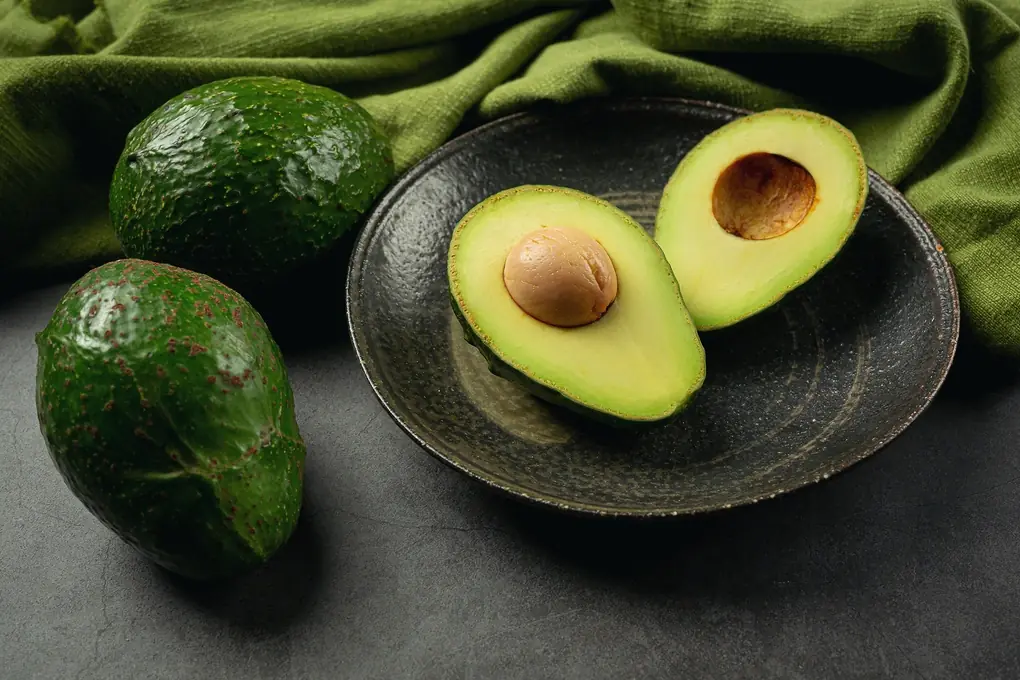
Healthy Ways to Include Avocados in Your Diet
If you can eat avocado safely, there are many ways to enjoy it without making meals unnecessarily high in calories.
1. Replace Butter With Avocado
Instead of spreading a thick layer of butter on toast, try using a moderate amount of mashed avocado.
This can replace some saturated fat with monounsaturated fat.
Add tomatoes, herbs, or a boiled egg for additional flavor and nutrients.
2. Add Avocado to Vegetable Salads
A small amount of avocado can improve the texture of a salad and make it more satisfying.
Combine it with leafy greens, cucumbers, tomatoes, carrots, and a suitable protein source.
Because avocado already contains fat, you may not need to add a large amount of oil-based dressing.
3. Combine Avocado With Protein
Pairing avocado with foods such as eggs, beans, tofu, fish, or chicken can help create a balanced meal.
Protein supports muscle maintenance and contributes to fullness, while avocado provides fiber and unsaturated fats.
4. Use It as a Spread or Sauce
Mashed avocado can be used as a spread for sandwiches or as a base for simple sauces.
Mix it with lemon juice, garlic, herbs, and a little seasoning.
If you are monitoring calories, remember that adding avocado-based sauces on top of other spreads can increase the total energy content of the meal.
5. Pay Attention to Serving Sizes
Even healthy foods can contribute to excessive calorie intake when portions become very large.
Use a smaller serving when combining avocado with other high-fat ingredients, and adjust the portion according to your overall meal plan.
How to Recognize When Avocado May Not Agree With You
Not every digestive symptom after eating avocado means you have an allergy or a serious medical condition.
However, paying attention to your body's response can help you make better dietary decisions.
Consider the timing and type of symptoms.
Mild bloating or gas: This may be related to fiber or fermentable carbohydrates, particularly if you ate a large portion.
Repeated diarrhea or abdominal discomfort: This may indicate digestive intolerance or another gastrointestinal issue that deserves attention.
Mouth itching or lip swelling: These symptoms may suggest an allergic reaction, especially if they occur soon after eating avocado.
Hives, throat swelling, wheezing, or breathing difficulties: These can indicate a serious allergic reaction and require immediate emergency care.
If symptoms repeatedly occur after eating avocado, stop eating it until you have received appropriate medical advice. Do not deliberately reintroduce it at home if you suspect an allergy.
The Bottom Line: Avocados Are Healthy, but Portion Size and Individual Needs Matter
Avocados are nutritious fruits that provide monounsaturated fats, fiber, potassium, folate, and several important vitamins. For many people, they can be a valuable part of a balanced eating pattern.
However, not everyone has the same nutritional requirements or digestive tolerance.
People with chronic kidney disease who need to restrict potassium may have to monitor their portions carefully. Individuals with IBS or sensitivity to fermentable carbohydrates may experience bloating and other digestive symptoms. People managing their calorie intake should remember that avocados are energy-dense, even though their fats are generally considered heart-friendly.
Those with an avocado allergy, including some people with latex-fruit syndrome, should avoid the fruit according to their allergist's advice. Meanwhile, people following a medically prescribed low-fat diet because of certain pancreatic, gallbladder, or fat-digestion problems may need individualized guidance about their intake.
The most important lesson is that healthy eating is not about labeling individual foods as universally good or bad. It is about choosing foods that meet your body's needs and adjusting portions to suit your health.
If you enjoy avocados and do not have a medical reason to restrict them, there is generally no need to give them up. Enjoying moderate portions as part of a varied diet is a sensible approach.
And if you have a chronic health condition, take medication that requires dietary monitoring, or experience unusual symptoms after eating avocado, consult a qualified healthcare professional before making major changes to your diet.