Eating walnuts alongside other high-fiber foods can also increase total fiber intake quickly, so pay attention to how your body responds.
What About Walnut Allergies?
This is one situation where the advice is very different.
Tree-nut allergies can cause serious reactions.
Possible symptoms include:
-
Itching or tingling in the mouth
-
Hives
-
Swelling
-
Vomiting
-
Wheezing
-
Difficulty breathing
-
Dizziness
-
Loss of consciousness
A severe allergic reaction can be life-threatening.
Anyone with a known walnut or tree-nut allergy should avoid walnuts and follow the emergency plan provided by their healthcare professional.
Do not deliberately "test" your tolerance at home.
Are Raw Walnuts Better Than Roasted Walnuts?
Both can fit into a healthy diet.
Raw walnuts retain their natural nutritional composition, while roasting can change flavor and texture.
The bigger issue is often what is added during processing.
Compare:
Plain walnuts:
Walnuts with no added sugar or excessive salt.
Honey-coated walnuts:
Walnuts combined with added sugars.
Candied walnuts:
Walnuts coated in sugar or syrup.
Salted flavored walnuts:
Potentially much higher in sodium depending on the product.
If you're eating walnuts regularly, plain or lightly processed varieties are often the easiest choice.
Should You Soak Walnuts Before Eating Them?
Some people soak walnuts overnight because they believe soaking removes "toxins" or makes them dramatically more nutritious.
The evidence doesn't support treating soaking as a necessary health practice.
Soaking can change texture and may make walnuts easier for some people to eat, but you don't need to soak them to obtain their nutritional benefits.
If you enjoy soaked walnuts, that's fine.
If you prefer them dry and crunchy, that's fine too.
What About the Bitter Taste?
Sometimes walnuts taste slightly bitter.
This can happen naturally because walnut skins contain polyphenolic compounds.
However, a strong rancid smell or unpleasant oily taste can indicate that the fats have oxidized.
Walnuts contain a relatively high amount of polyunsaturated fat, which means they can become rancid if stored improperly.
Store them in an airtight container in a cool, dark place.
For longer storage, refrigeration or freezing can help preserve freshness.
How Many Walnuts Should You Eat?
There is no universal amount that everyone needs.
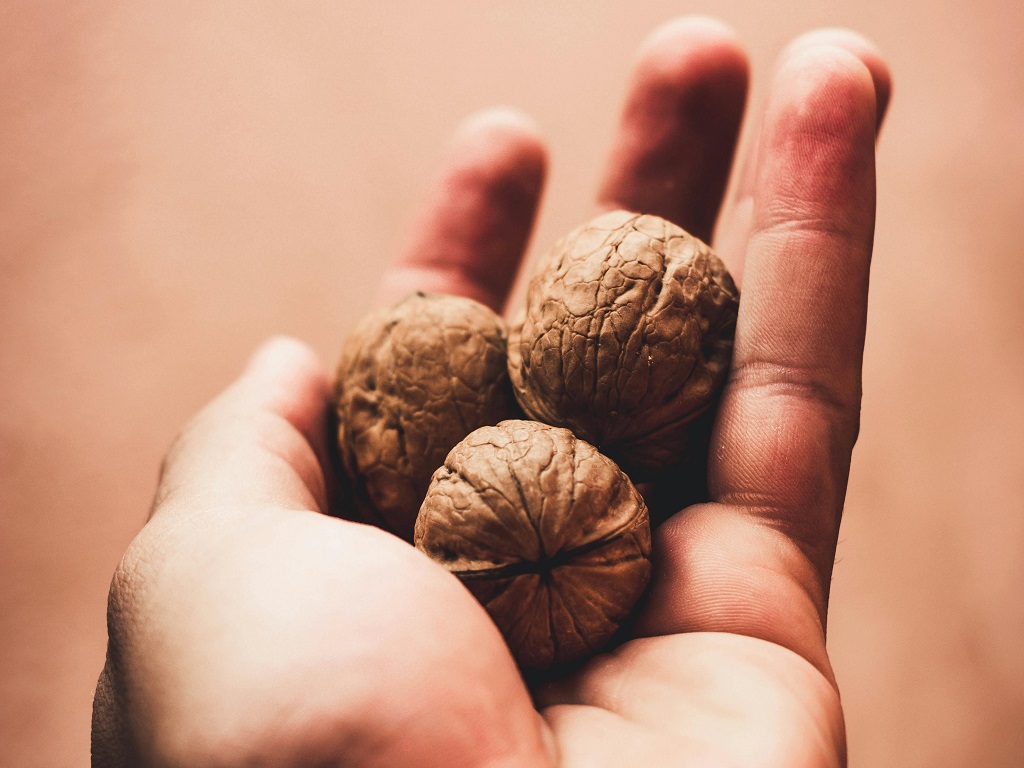
For many adults, a small handful—around 1 ounce or 28 grams—is a reasonable serving.
That amount provides a substantial nutritional contribution without requiring you to eat a large quantity.
You can add walnuts to:
-
Plain yogurt
-
Oatmeal
-
Salads
-
Fruit
-
Whole-grain cereal
-
Vegetable dishes
-
Smoothies
-
Homemade energy bites
You can also simply eat them as a snack.
The key is consistency and portion control rather than trying to consume as many walnuts as possible.
The Best Time of Day to Eat Walnuts
There is no scientifically established "perfect" time.
You can eat walnuts at breakfast, lunch, dinner, or as a snack.
What matters more is how they fit into your overall diet.
For example, walnuts at breakfast may provide additional fat and protein alongside fruit and yogurt.
At lunch, they can add crunch and nutrition to a salad.
As an afternoon snack, they may be more satisfying than a highly processed snack.
There's no strong reason to believe that eating walnuts at night suddenly makes them unhealthy—or that eating them first thing in the morning makes them dramatically more beneficial.
What If You're Trying to Lose Weight?
Walnuts can fit into a weight-management diet, but portion size becomes particularly important.
Their calories add up quickly.
Instead of simply adding walnuts to your existing diet, consider using them as a replacement.
For example:
Instead of:
Cookies or chips
Try:
A small serving of walnuts and fruit.
This approach allows walnuts to contribute nutrients without unnecessarily increasing total calorie intake.
At the same time, don't assume that eating walnuts automatically causes weight loss.
Weight change depends on overall energy intake, activity, appetite, sleep, and many other factors.
What If You Have Diabetes?
Plain walnuts can be a useful addition to a diabetes-conscious eating pattern because they're relatively low in carbohydrate and provide fat, fiber, and some protein.
However, portion size still matters.
Walnuts covered in sugar, honey, caramel, or chocolate are nutritionally very different from plain walnuts.
If you're managing diabetes, pay attention to the entire meal rather than focusing on one ingredient.
A balanced meal containing vegetables, a protein source, high-fiber carbohydrates, and a modest amount of walnuts may be more useful than treating walnuts as a special "diabetes food."
Who Should Be More Careful?
Walnuts are nutritious for many people, but certain individuals may need personalized advice.
Talk with a healthcare professional or dietitian if you have:
-
A tree-nut allergy
-
Significant digestive problems
-
A medically prescribed dietary restriction
-
Certain kidney conditions requiring potassium or phosphorus management
-
Difficulty controlling calorie intake
-
A history of food reactions
-
A condition requiring a specific fat or fiber intake
This doesn't mean walnuts are automatically unsafe.
It simply means that nutritional needs differ from person to person.
Common Myths About Walnuts
Myth 1: "Walnuts burn belly fat."
There is no single food that specifically burns belly fat.
Walnuts can be part of a healthy weight-management diet, but they don't selectively eliminate abdominal fat.
Myth 2: "The more walnuts you eat, the healthier you'll become."
Not necessarily.
Nutritional benefits don't increase indefinitely with portion size.
More walnuts also mean more calories.
Myth 3: "Walnuts prevent dementia."
Current evidence does not justify claiming that walnuts alone prevent dementia.
They can contribute nutrients associated with a healthy dietary pattern, but brain health is multifactorial.
Myth 4: "Roasting destroys all the nutrients."
Roasting can alter certain compounds, but roasted walnuts can still be nutritious. The major concern is often added sugar, excessive salt, or other ingredients.
Myth 5: "You must soak walnuts before eating them."
No.
Soaking is optional and isn't required to make walnuts healthy.
Myth 6: "Walnuts are bad because they contain fat."
Their fat content is actually one of their nutritional strengths. The type of fat matters, and walnuts are rich in unsaturated fats.
A Simple Way to Add Walnuts to Your Diet
You don't need complicated recipes.
Try:
Breakfast
Plain yogurt + berries + chopped walnuts.
Lunch
Green salad + vegetables + beans or chicken + walnuts.
Snack
A small handful of walnuts + fresh fruit.
Dinner
Roasted vegetables + whole grains + your preferred protein + chopped walnuts.
Dessert
Plain yogurt + fruit + a few crushed walnuts instead of a heavily sweetened dessert.
These combinations allow walnuts to complement other nutrient-rich foods rather than becoming the entire focus of the meal.
The Bigger Picture Matters More Than One Food
Walnuts are impressive nutritionally, but no single food can compensate for an unhealthy overall diet.
If someone eats walnuts every day but also consumes large amounts of ultra-processed foods, sugary drinks, excess alcohol, and very little fiber, the walnuts won't cancel everything else out.
On the other hand, incorporating a modest serving of walnuts into a diet rich in vegetables, fruits, legumes, whole grains, and other minimally processed foods can be a practical way to improve dietary quality.
Think of walnuts as one piece of a much larger puzzle.
The Bottom Line
If you love walnuts, there's good reason to keep them in your diet.
Regularly eating moderate amounts of walnuts can provide unsaturated fats, plant-based omega-3 ALA, fiber, protein, minerals, and antioxidant-related plant compounds. They may contribute to cardiovascular health, healthier cholesterol patterns, satiety, digestive health, and overall dietary quality.
But "healthy" doesn't mean unlimited.
Walnuts are calorie-dense, and large portions can add substantial calories to your diet. Added sugar and excessive sodium can also change the nutritional profile of walnut-based products.
For most people who tolerate them, a small handful—around 1 ounce (28 grams)—can be an easy and nutritious addition to a balanced diet.
The most important thing is not to treat walnuts as a miracle food.
Instead, use them strategically: replace less nutritious snacks with a reasonable portion of plain walnuts, combine them with other whole foods, and keep your overall diet varied.
Sometimes, the healthiest habit isn't finding one magical food.
It's finding simple foods you genuinely enjoy—and eating them consistently as part of a balanced way of eating.