Eggplant is one of those vegetables that can be surprisingly versatile. It can be roasted until tender, grilled over high heat, simmered into stews, blended into dips, or transformed into dishes that are rich, savory, and satisfying.
For most people, eggplant is a perfectly reasonable and nutritious food to include in a balanced diet. It provides fiber, potassium, folate, and a variety of plant compounds while being relatively low in calories.
But as with almost any food, eggplant isn't necessarily ideal for everyone in every situation.
Certain people may need to pay closer attention to portion size, preparation method, medications, or underlying health conditions. And some popular claims about eggplant—particularly claims that all nightshade vegetables are harmful—need a little more nuance.
So if you love eggplant, there's usually no reason to panic or eliminate it automatically. Instead, it helps to understand when a little extra caution may make sense.
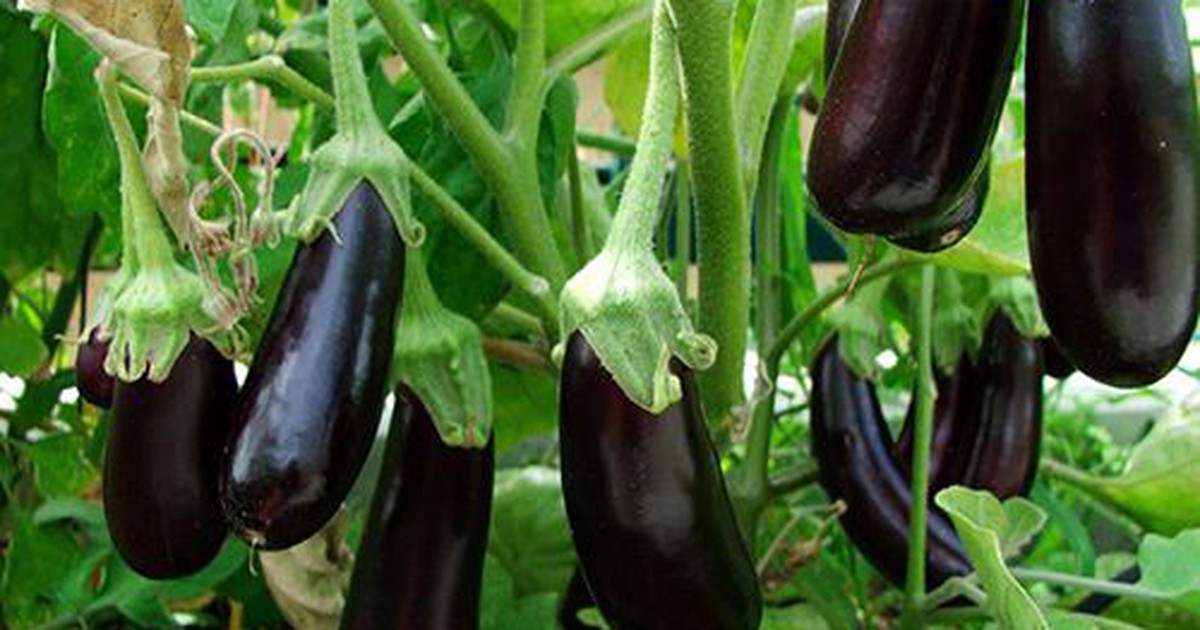
Eggplant Is Generally a Healthy Choice
Eggplant belongs to the nightshade family, alongside tomatoes, peppers, and potatoes.
The edible portion is mostly water, which helps explain why eggplant is relatively light in calories. It also contains dietary fiber and several micronutrients.
Depending on the variety and serving size, eggplant can contribute:
-
Dietary fiber
-
Potassium
-
Folate
-
Vitamin B6
-
Manganese
-
Various antioxidants and other plant compounds
Its skin is also edible and contains some of the vegetable's plant compounds, which is one reason many people choose to cook eggplant without peeling it.
However, how you prepare it can dramatically change the nutritional profile of the final dish.
1. People With Eggplant Allergy Should Avoid It
One of the clearest reasons to be cautious is an eggplant allergy.
Food allergies to eggplant are considered uncommon, but they can occur.
Someone who is allergic may experience symptoms such as:
-
Itching or tingling in the mouth
-
Hives
-
Swelling
-
Stomach discomfort
-
Vomiting
-
Wheezing or breathing difficulty
A severe allergic reaction can become an emergency.
If someone develops difficulty breathing, swelling of the throat or tongue, dizziness, or other signs of a serious allergic reaction after eating eggplant, they should seek emergency medical care immediately.
A suspected food allergy should also be discussed with a healthcare professional rather than diagnosed through repeated self-testing.
2. People With Kidney Disease May Need to Watch Portion Sizes
Eggplant contains potassium, an essential mineral that helps nerves, muscles, and the heart function properly.
For healthy people, potassium is generally an important part of a nutritious diet.
But people with certain forms of chronic kidney disease may have difficulty regulating potassium levels in the blood.
In those circumstances, dietary potassium requirements can be very different from those of the general population.
That doesn't automatically mean someone with kidney disease must avoid eggplant.
The appropriate amount depends on kidney function, blood potassium levels, medications, dialysis status, and the individual's treatment plan.
If you've been told to follow a low-potassium diet, it's best to ask your doctor or registered dietitian how eggplant fits into your specific meal plan.
3. The Cooking Method Can Matter More Than the Eggplant
Here's something many people overlook.
Eggplant itself can be a nutritious food, but the way it's prepared can completely change the meal.
Eggplant has a spongy texture that readily absorbs oil.
If you deep-fry it or soak it in large amounts of oil before cooking, the finished dish can contain considerably more calories and fat than the original vegetable.
That doesn't make fried eggplant "bad."
It simply means that the nutritional profile of the entire dish depends on what you add.
For a lighter preparation, consider:
-
Roasting
-
Grilling
-
Air-frying
-
Steaming
-
Baking
-
Sautéing with a modest amount of oil
You can still achieve excellent flavor without turning the vegetable into an oil-heavy dish.
4. Be Careful With Eggplant Dishes High in Sodium
The vegetable isn't naturally a major source of sodium.
The problem often comes from what accompanies it.
Eggplant parmesan, heavily salted eggplant dips, restaurant-style appetizers, preserved eggplant, and sauces can contain substantial amounts of sodium depending on the recipe.
For people managing high blood pressure or trying to reduce sodium intake, the preparation may therefore matter more than the eggplant itself.
A homemade roasted eggplant with herbs, garlic, lemon, and a modest amount of olive oil can be very different nutritionally from a heavily breaded, fried, cheese-covered version.
5. What About the "Nightshade" Concern?
This is one of the most common controversies surrounding eggplant.
Eggplant belongs to the nightshade family, and some people claim that nightshade vegetables should be avoided because they supposedly cause inflammation or joint problems.
The evidence does not support a blanket recommendation for everyone to eliminate nightshades.
For most people, foods such as eggplant, tomatoes, peppers, and potatoes can be part of a healthy diet.
That said, individual food sensitivities can occur.
If you consistently notice that a particular food causes symptoms, it is reasonable to discuss that pattern with a healthcare professional.
But there is an important distinction between:
"This food seems to bother me personally."
and
"This entire food group is harmful to everyone."
Those are very different claims.
6. What About Solanine?
Eggplant contains naturally occurring plant chemicals, including glycoalkaloids.
This sometimes leads to online warnings about "solanine poisoning."
It's important not to exaggerate the risk.
Eggplant and other nightshades contain these compounds naturally, but normal consumption of properly grown and prepared eggplant is generally not considered a poisoning risk for healthy people.
The concentration of these compounds can vary with the plant, variety, maturity, and growing conditions.
There is no good reason for most people to fear ordinary servings of eggplant simply because it belongs to the nightshade family.

7. People With Certain Digestive Issues May Notice Discomfort
Eggplant contains dietary fiber.
That's generally a positive feature because fiber supports normal digestive function and contributes to overall dietary quality.
However, people who aren't accustomed to eating much fiber may experience:
-
Gas
-
Bloating
-
Abdominal discomfort
This doesn't necessarily mean eggplant is harmful.
Sometimes the digestive system simply needs time to adjust to an increase in fiber.
If you're increasing your vegetable intake, doing so gradually and maintaining adequate fluid intake can be helpful.
If a particular food repeatedly causes significant symptoms, however, don't simply assume you need to tolerate it. Persistent digestive symptoms deserve proper evaluation.
8. People Taking Certain Medications Should Consider the Whole Diet
Eggplant itself isn't known as a major medication-food interaction for most people.
However, people taking medications for kidney disease, blood pressure, heart conditions, or other chronic illnesses may have specific dietary restrictions.
For example, some medications can affect potassium levels.
That's why someone who has been given a medically prescribed diet shouldn't make major changes based solely on general nutrition advice.
The right question isn't simply:
"Is eggplant healthy?"
It's:
"Is eggplant appropriate for my health condition, medications, and dietary plan?"
For most healthy adults, the answer will generally be yes.
For people with specific medical conditions, the answer may depend on individual circumstances.
9. Don't Confuse Eggplant With a Medical Treatment
Eggplant is sometimes promoted online as a food that can "detox" the body, dramatically lower cholesterol, cure diabetes, or treat a wide range of diseases.
These claims go far beyond what nutrition science can support.
Eggplant can contribute to a healthy eating pattern because it provides fiber and various nutrients and plant compounds.
But no single vegetable is a miracle treatment.
If you have high cholesterol, diabetes, kidney disease, high blood pressure, or another medical condition, eggplant can potentially be part of an appropriate diet—but it should not replace prescribed treatment.
Healthy eating works best as part of a broader lifestyle rather than as a substitute for medical care.
10. Portion Size Still Matters
Even nutritious foods can be eaten in ways that don't fit everyone's needs.
A large plate of roasted eggplant is different from a small serving.
And a bowl of eggplant cooked in substantial amounts of oil, cheese, breadcrumbs, and sauce is nutritionally different from plain grilled eggplant.
If you're watching calories, sodium, saturated fat, or carbohydrates, look at the whole dish, not just the vegetable.
This is one of the simplest principles of healthy eating:
The ingredients around a food matter too.
How to Prepare Eggplant in a Healthier Way
If you want to enjoy eggplant while keeping the dish relatively light, roasting is one of the easiest options.
Cut the eggplant into slices or cubes and lightly coat it with olive oil.
Add herbs, garlic, black pepper, paprika, or other seasonings.
Then roast until the edges become browned and the center becomes tender.
You can finish it with lemon juice or fresh herbs for extra flavor.
Another excellent option is grilling.
Grilled eggplant develops a smoky flavor and soft texture without requiring large amounts of oil.
What About Soaking Eggplant Before Cooking?
Many recipes recommend salting or soaking eggplant before cooking.
Traditionally, this was done to reduce bitterness and draw out moisture.
Modern eggplant varieties are often less bitter than older varieties, so the step isn't always necessary.
If you do salt eggplant, remember that some of that salt can remain in the final dish.
For people trying to reduce sodium intake, using less salt or skipping the step may be preferable.
The cooking technique you choose should ultimately depend on the recipe, variety, and your personal preference.
How Much Eggplant Should You Eat?
There is no universal "maximum amount" of eggplant for healthy adults.
A normal serving can easily fit into a balanced meal.
Instead of focusing on eating huge quantities of one vegetable, think about variety.
Rotate eggplant with:
-
Broccoli
-
Carrots
-
Spinach
-
Green beans
-
Cauliflower
-
Bell peppers
-
Cabbage
-
Squash
Different vegetables provide different combinations of nutrients and plant compounds.
The goal isn't to find one perfect vegetable.
It's to build a diverse diet.
Who Should Be Most Cautious?
In practical terms, the people who may need the most caution are those who:
Have a known or suspected eggplant allergy.
Have kidney disease and have been advised to monitor potassium.
Have been prescribed a specific diet because of a medical condition.
Experience repeated digestive symptoms after eating eggplant.
Consume eggplant mainly in heavily fried or high-sodium dishes.
For everyone else, there is generally no reason to treat eggplant as a dangerous food.
The Bigger Picture: Don't Fear Healthy Foods Without a Reason
Nutrition advice online can sometimes turn ordinary foods into villains.
One week, a food is described as a superfood.
The next week, the same food is supposedly "toxic."
Reality is usually much less dramatic.
Eggplant is a vegetable with nutritional benefits and some naturally occurring compounds. Most people can enjoy it as part of a varied diet.
The important thing is to consider the individual, the portion, the preparation, and the overall dietary pattern.
That approach is much more useful than labeling foods as simply "good" or "bad."

Final Thoughts
Love eggplant? You probably don't need to give it up.
For most people, eggplant can be a nutritious and versatile addition to meals. Its fiber, potassium, folate, and plant compounds make it a worthwhile vegetable to include in a varied diet.
But there are situations where a little caution makes sense.
People with an eggplant allergy should avoid it. Those with certain kidney conditions may need to monitor potassium. People with digestive sensitivities should pay attention to their individual response. And everyone can benefit from choosing cooking methods that don't unnecessarily add excessive oil or sodium.
Most importantly, don't let internet myths convince you that eggplant—or every other nightshade vegetable—is automatically harmful.
Healthy eating isn't about fearing individual foods. It's about understanding them, preparing them thoughtfully, and choosing what works for your own body and health needs.
If eggplant agrees with you, enjoy it—roasted, grilled, baked, or cooked into your favorite dish. Just remember that when it comes to nutrition, moderation and variety usually beat extreme rules every time.