These are the consequences of sleeping with...
Are You Sleeping Next to the Wrong Person? Here Are the Signs
⏱️ 1 min read 25/08/2026 07:03
Coconut water is often praised as one of nature's healthiest beverages. Rich in electrolytes, potassium, and natural sugars, it has become a popular drink for hydration around the world. Fresh coconut water is generally safe for most people and can be part of a healthy diet.
However, from time to time, alarming headlines appear claiming that someone became critically ill—or even died—after drinking coconut water. While these stories sound shocking, they usually involve extremely rare circumstances, not the coconut water itself.
In some reported medical cases, the real culprit has been a spoiled coconut contaminated with dangerous fungi or bacteria, producing toxins that can cause severe poisoning. Understanding how this happens can help you enjoy coconut water safely while avoiding unnecessary fear.
Yes—but only under certain conditions.
Fresh coconut water inside a healthy, unopened young coconut is naturally sterile. Problems arise when the coconut becomes:
Once harmful microbes enter the coconut, they may multiply and produce toxins that remain dangerous even if the liquid still appears normal.
Fortunately, these situations are very uncommon.
Several medical journals have described rare incidents in which individuals became seriously ill after drinking coconut water from an old coconut that had been stored for an extended period.
In one widely reported case, laboratory testing found that the coconut had been contaminated by a fungus that produced a highly toxic compound known as 3-nitropropionic acid (3-NPA).
This toxin can severely damage cells, particularly in the brain.
Although such cases are extremely rare, they demonstrate why spoiled coconuts should never be consumed.
3-Nitropropionic acid is a naturally occurring toxin produced by certain fungi.
It interferes with the body's ability to generate energy inside cells, particularly affecting organs with high energy demands such as:
Exposure to high levels may result in severe neurological injury.
Importantly, this toxin is not present in fresh, healthy coconuts. It develops only when certain fungi contaminate spoiled food under specific conditions.
Symptoms may appear within hours after consuming contaminated food or beverages and can include:
These symptoms require immediate emergency medical attention.
It is important to keep this risk in perspective.
Millions of people safely drink coconut water every day.
Commercially packaged coconut water is produced under strict food safety standards, and freshly opened young coconuts are generally considered safe when properly handled.
Serious poisoning from contaminated coconuts remains exceptionally uncommon.
Before drinking coconut water directly from a coconut, inspect it carefully.
Avoid coconuts that have:
If anything seems unusual, do not taste it.
When in doubt, throw it away.
Commercial coconut water is generally very safe because manufacturers use food safety measures such as:
Always:
If a carton or bottle is swollen, leaking, or smells unusual, discard it.
Not every illness following coconut water consumption is caused by contamination.
Some people may experience symptoms due to:
Healthcare professionals evaluate these possibilities based on symptoms, medical history, and laboratory testing.
Although coconut water is healthy for most people, some individuals should speak with a healthcare provider before consuming large amounts, including those with:
For most healthy adults, moderate consumption is not a concern.
You can reduce your risk by following a few simple precautions:
Food safety begins with careful storage and handling.
Seek immediate medical care if you develop severe symptoms after consuming any food or beverage, including:
These symptoms may indicate serious poisoning or another medical emergency requiring prompt treatment.
The headline that someone died after drinking coconut water is based on extremely rare cases involving spoiled, contaminated coconuts—not fresh coconut water itself. Healthy, properly stored coconuts and commercially packaged coconut water are generally safe and enjoyed by millions of people worldwide.
The real lesson is not to avoid coconut water, but to practice good food safety. Never consume coconut water from a coconut that appears damaged, moldy, foul-smelling, or unusually old. If you experience severe symptoms after eating or drinking any contaminated food, seek emergency medical care immediately.
By choosing fresh products, storing them correctly, and paying attention to signs of spoilage, you can continue to enjoy coconut water as a refreshing and nutritious beverage with confidence.
Are You Sleeping Next to the Wrong Person? Here Are the Signs
Signs Your Digestive System May Be Asking for Help
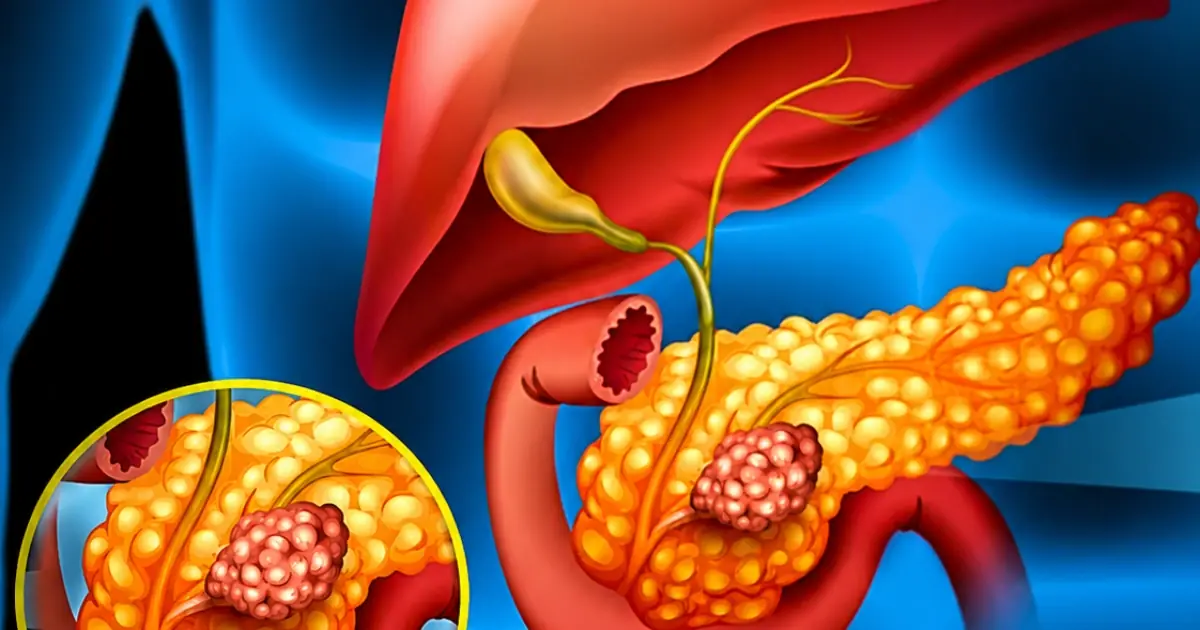
5 Silent Signs of Pancreatic Can.cer Most People Ignore
What Your Everyday Aches Might Be Trying to Tell You
Could your bedtime routine be putting extra stress on your heart? A 65-Year-Old Woman Di.ed Suddenly Before Dawn: Doctors Warn That One Common Bedtime Habit Could Increase the Risk
Young Man in His 20s D.i.es of C.anc.er After Ignoring Two Nighttime Symptoms
Avocados have earned a reputation as one of the healthiest foods on the planet. From breakfast toast to salads and smoothies, this creamy fruit has become a staple in many diets. But what actually happens when you eat avocados regularly?
Doctors reveal surprising reasons behind waking up at 3 a.m. nightly.
Doctors and Researchers Are Taking Another Look at Cloves
The Colonoscopy Advice That Could Help You Feel More Prepared
The "Silent" Eating Habits Linked to Heart Disease and Stroke
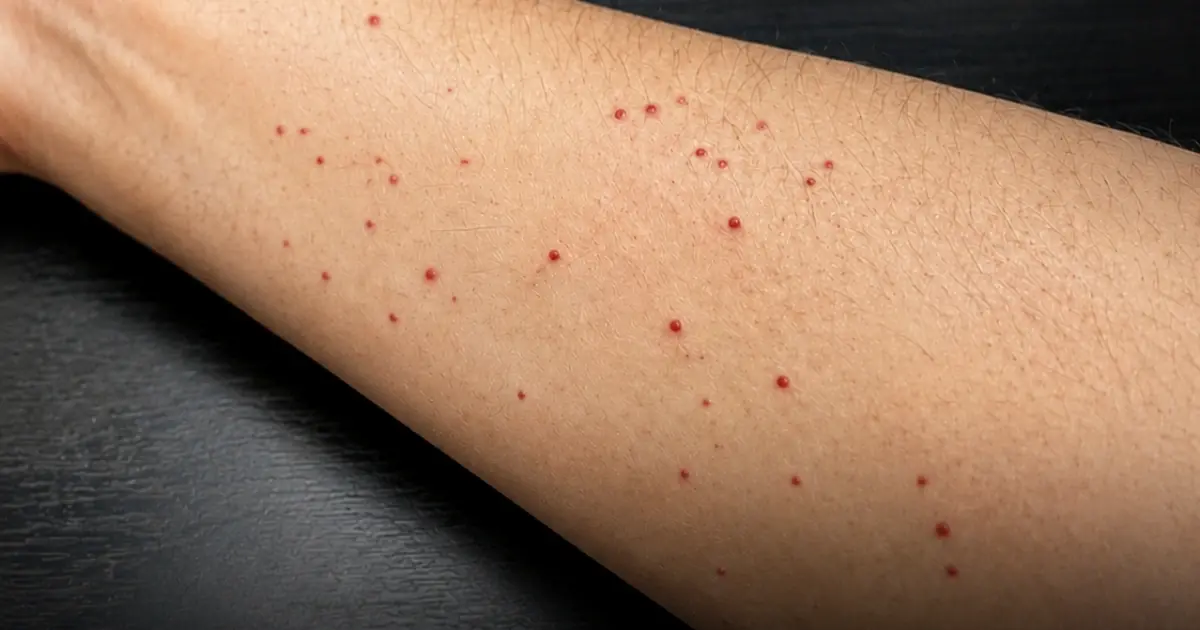
You Notice Red Dots Overnight? Read This First
One Vegetable, Countless Benefits—Here's What You Should Know
Avocados are packed with nutrients, but for some people, they may come with unexpected risks worth understanding.
Soong Mei-ling, an emblematic figure of 20th-century China and the esteemed wife of President Chiang Kai-shek, not only made her mark as one of the most influential women in modern Chinese history but also astonished the world by living until the age of 1
Painful red bumps on the skin may signal several common conditions.
If You Sleep on Your Right Side, Your Body May Respond in Unexpected Ways… 👀
These Bruises May Look Harmless, But Here’s When They Deserve Medical Attention… 👀
Experts explain the surprising benefits and risks of walking barefoot.
Are You Sleeping Next to the Wrong Person? Here Are the Signs
Signs Your Digestive System May Be Asking for Help
5 Silent Signs of Pancreatic Can.cer Most People Ignore
What Your Everyday Aches Might Be Trying to Tell You
Could your bedtime routine be putting extra stress on your heart? A 65-Year-Old Woman Di.ed Suddenly Before Dawn: Doctors Warn That One Common Bedtime Habit Could Increase the Risk
The Emotional Story That Proves Kindness Still Exists
Young Man in His 20s D.i.es of C.anc.er After Ignoring Two Nighttime Symptoms
Avocados have earned a reputation as one of the healthiest foods on the planet. From breakfast toast to salads and smoothies, this creamy fruit has become a staple in many diets. But what actually happens when you eat avocados regularly?
Doctors reveal surprising reasons behind waking up at 3 a.m. nightly.
Doctors and Researchers Are Taking Another Look at Cloves
Many Judged Him at First Glance. Few Knew the Real Story
The Colonoscopy Advice That Could Help You Feel More Prepared
The "Silent" Eating Habits Linked to Heart Disease and Stroke
You Notice Red Dots Overnight? Read This First
Face, wolf, or moon? Your answer may say more than you think.
One Vegetable, Countless Benefits—Here's What You Should Know
Avocados are packed with nutrients, but for some people, they may come with unexpected risks worth understanding.
Here is a statistic that should keep you up at night.
Soong Mei-ling, an emblematic figure of 20th-century China and the esteemed wife of President Chiang Kai-shek, not only made her mark as one of the most influential women in modern Chinese history but also astonished the world by living until the age of 1