
Man Loses Half of His Tongue After Ignoring a “Mouth Ulcer” — Doctors Issue 3 Urgent Warnings
What seemed like a harmless mouth ulcer turned into a life-altering diagnosis for a 41-year-old man. After ignoring symptoms for months, he was eventually diagnosed with tongue cancer—and forced to undergo surgery to remove half of his tongue.
A small ulcer that changed everything
The man first noticed a small lump on the side of his tongue while brushing his teeth. It didn’t hurt or itch—only caused slight discomfort when eating.
Like many people, he assumed it was just a common mouth ulcer and didn’t seek medical attention. He even tried treating it himself, but the condition didn’t improve.
After about two months, the lesion began to change:
- It became rough and irregular
- Started spreading quickly
- Developed a cauliflower-like appearance
At that point, he finally went to the hospital—only to receive shocking news.
A devastating diagnosis
Doctors diagnosed him with squamous cell carcinoma, one of the most common types of oral cancer.
Although the tumor was not very large, it had already spread to surrounding areas, making treatment complex.
Doctors faced a difficult decision:
- Remove too little → cancer might remain
- Remove too much → loss of speech and eating ability
Ultimately, they had no choice but to:
- Remove part of his tongue
- Perform neck lymph node dissection
- Reconstruct the tongue using tissue from his forearm

A painful lesson learned too late
After surgery, the man gradually regained the ability to eat, though his speech remained affected.
What haunted him most wasn’t the pain—but regret.
All of this started from a symptom he believed was “just a mouth ulcer.”
Doctors issue 3 urgent warnings
From this case, medical experts shared three critical warnings:
1. Never ignore mouth ulcers that last too long
A typical mouth ulcer usually heals within 1–2 weeks.
⚠️ Warning signs include:
- Lasting longer than 2 weeks
- Hard surface or raised edges
- Numbness instead of pain
These may be early signs of cancer—not a simple ulcer.
2. Don’t delay treating oral problems
Sharp, broken teeth or poor oral hygiene can repeatedly irritate the tongue.
Over time, this constant irritation may:
- Cause chronic wounds
- Lead to abnormal cell changes
- Increase cancer risk
3. Watch out for high-risk habits
Certain habits significantly increase the risk of tongue cancer:
- Smoking
- Drinking alcohol
- Chewing betel nut
The combination of smoking and alcohol is especially dangerous, as it greatly amplifies cancer risk.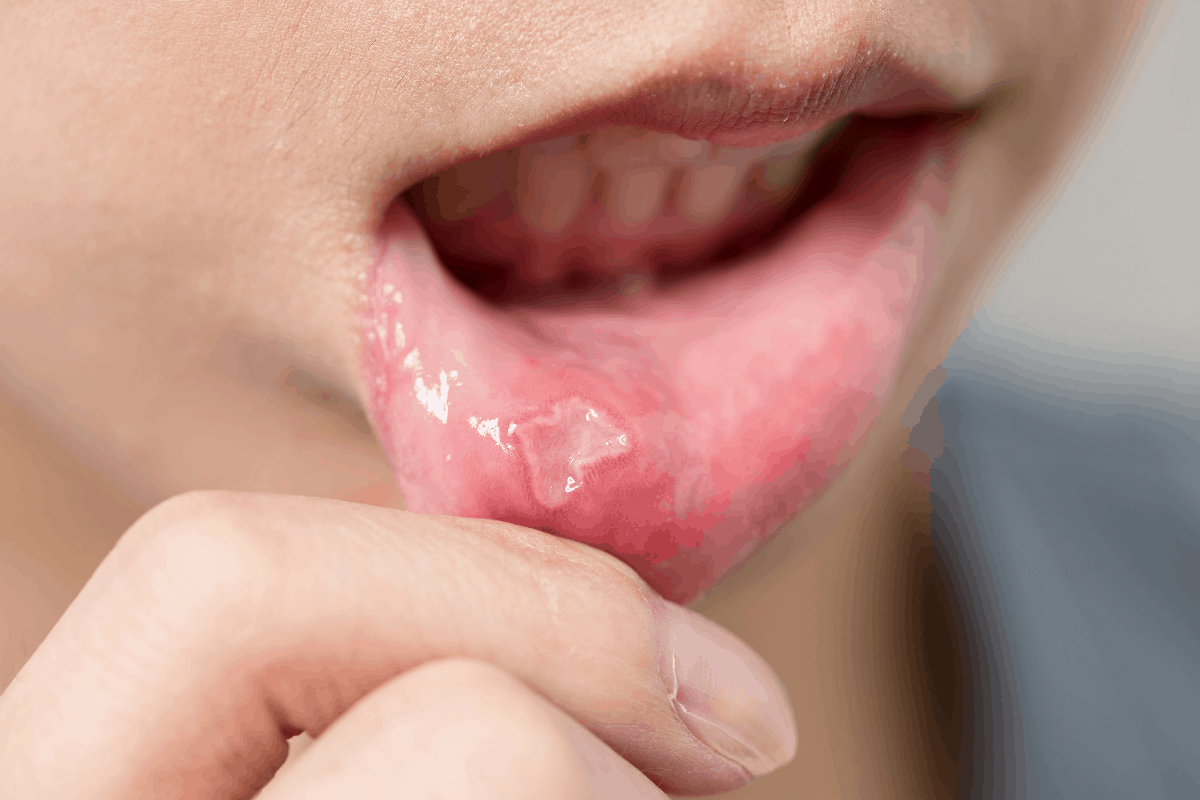
A growing concern among younger people
Doctors also warn that tongue cancer is becoming more common among younger individuals—not just older adults.
Lifestyle and long-term habits are key contributing factors.
The bottom line
Tongue cancer is dangerous not only because of its severity—but because it often starts silently.
A small ulcer, a mild discomfort, or a slight change in texture can easily be ignored—until it’s too late.
Sometimes, the smallest symptom can lead to the biggest consequences.