Be Careful: These 3 Vegetables May Become Harmful If Eaten the Wrong Way
Vegetables are widely recognized as some of the healthiest foods you can eat. Rich in vitamins, minerals, fiber, and antioxidants, they play an important role in maintaining overall health and reducing the risk of chronic disease.
However, experts warn that certain vegetables can pose health risks when they are improperly stored, preserved, or consumed in excess. The concern is not the vegetables themselves, but rather the compounds that may develop under certain conditions.
Here are three types of vegetables that deserve special attention.
1. Pickled Vegetables
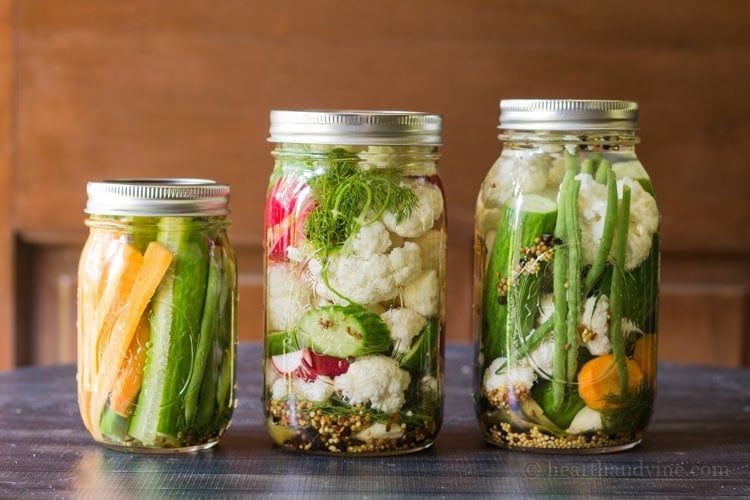
Pickled vegetables have been a staple in many cuisines for centuries. While they can be delicious and convenient, traditional pickling methods often involve high amounts of salt.
During prolonged fermentation and storage, some pickled foods may contain elevated levels of nitrites and nitrosamines. These compounds have been studied for their potential association with increased cancer risk when consumed frequently over long periods.
In addition, excessive intake of highly salted foods may contribute to:
- High blood pressure
- Stomach irritation
- Increased risk of certain digestive disorders
Healthier Tips
- Limit consumption of heavily salted pickled vegetables.
- Choose fresh vegetables whenever possible.
- Look for lower-sodium options when purchasing preserved foods.
2. Moldy Vegetables
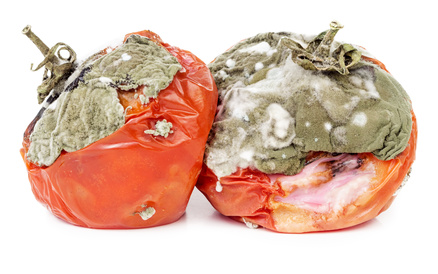
Many people try to salvage vegetables by cutting away moldy portions and eating the rest.
Unfortunately, visible mold is often only part of the problem.
Certain molds can produce toxins known as mycotoxins. These substances may spread deeper into food than what can be seen on the surface.
Long-term exposure to some mycotoxins has been linked to various health concerns.
Common vegetables that may develop mold include:
- Tomatoes
- Bell peppers
- Onions
- Cucumbers
- Leafy greens
If a vegetable shows significant mold growth, food safety experts generally recommend discarding it rather than attempting to save it.
3. Overnight Leafy Green Vegetables

Many households cook vegetables in large batches and store leftovers for later meals.
While refrigeration helps preserve food, leafy green vegetables such as spinach, mustard greens, and certain cabbages contain naturally occurring nitrates.
When cooked vegetables are stored improperly or for extended periods, these nitrates may convert into nitrites. Under certain conditions, nitrites can form compounds that researchers have studied for potential health risks.
This is why some experts recommend:
- Eating freshly cooked vegetables whenever possible.
- Refrigerating leftovers promptly.
- Avoiding repeated reheating of leafy vegetables.
Why Fresh Vegetables Remain the Best Choice
Despite these warnings, vegetables remain one of the most beneficial foods for human health.
A diet rich in fresh vegetables may help support:
- Heart health
- Digestive health
- Immune function
- Healthy weight management
- Overall longevity
The key is proper handling and preparation rather than avoiding vegetables altogether.
How to Reduce Potential Risks
Store Vegetables Properly
Keep vegetables refrigerated according to recommended storage guidelines and avoid excessive moisture that promotes mold growth.
Eat Fresh Whenever Possible
Freshly prepared vegetables generally retain more nutrients and reduce concerns related to prolonged storage.
Limit Highly Processed Preserved Foods
Fresh or minimally processed vegetables are often the healthiest option.
Avoid Repeated Reheating
Repeated heating and cooling cycles may affect food quality and safety.
Inspect Produce Carefully
Discard vegetables that show signs of spoilage, unusual odors, or visible mold.
The Bottom Line
Vegetables are an essential part of a healthy diet, but the way they are stored and prepared matters.
Pickled vegetables high in salt, moldy vegetables, and improperly stored cooked leafy greens may present potential health concerns if consumed regularly.
Fortunately, simple habits such as choosing fresh produce, storing food correctly, and avoiding spoiled vegetables can help you enjoy all the nutritional benefits vegetables have to offer while minimizing unnecessary risks.
When it comes to healthy eating, it's not just what you eat that matters—it's also how you handle it.