Waking Up at 3 or 4 in the Morning: What Your Body Might Be Trying to Tell You
Many people experience a strange pattern: falling asleep normally but suddenly waking up around 3 or 4 in the morning and struggling to fall back asleep. This early-morning awakening can feel frustrating and confusing, especially when it happens frequently.
Sleep experts explain that waking briefly during the night is normal. However, regularly waking at the same early hour may sometimes reflect changes in the body’s sleep cycle, stress levels, or lifestyle habits. Understanding the possible reasons can help people improve sleep quality and restore healthy rest.
Sleep is controlled by complex biological systems involving hormones, brain activity, and circadian rhythms. When these systems become disrupted, the body may wake up earlier than expected.
1. Stress and Anxiety

 4
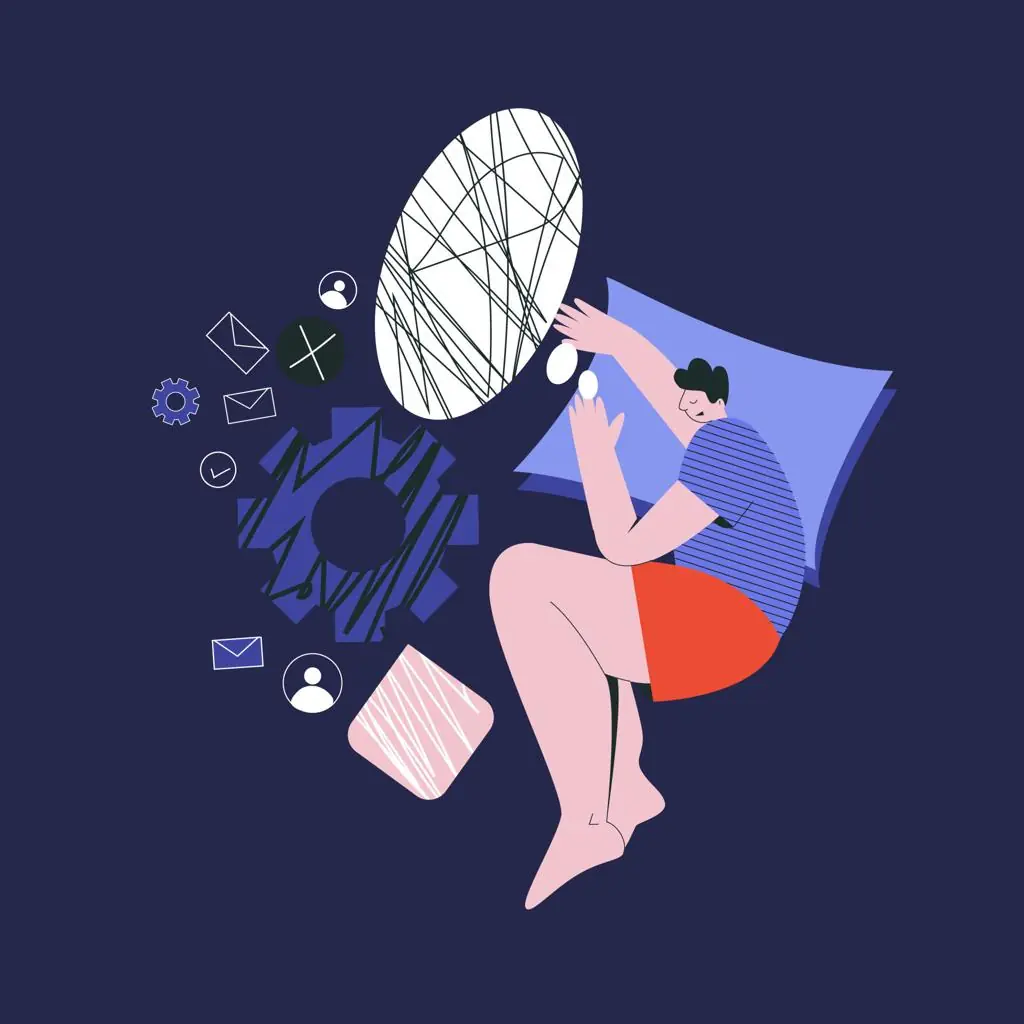
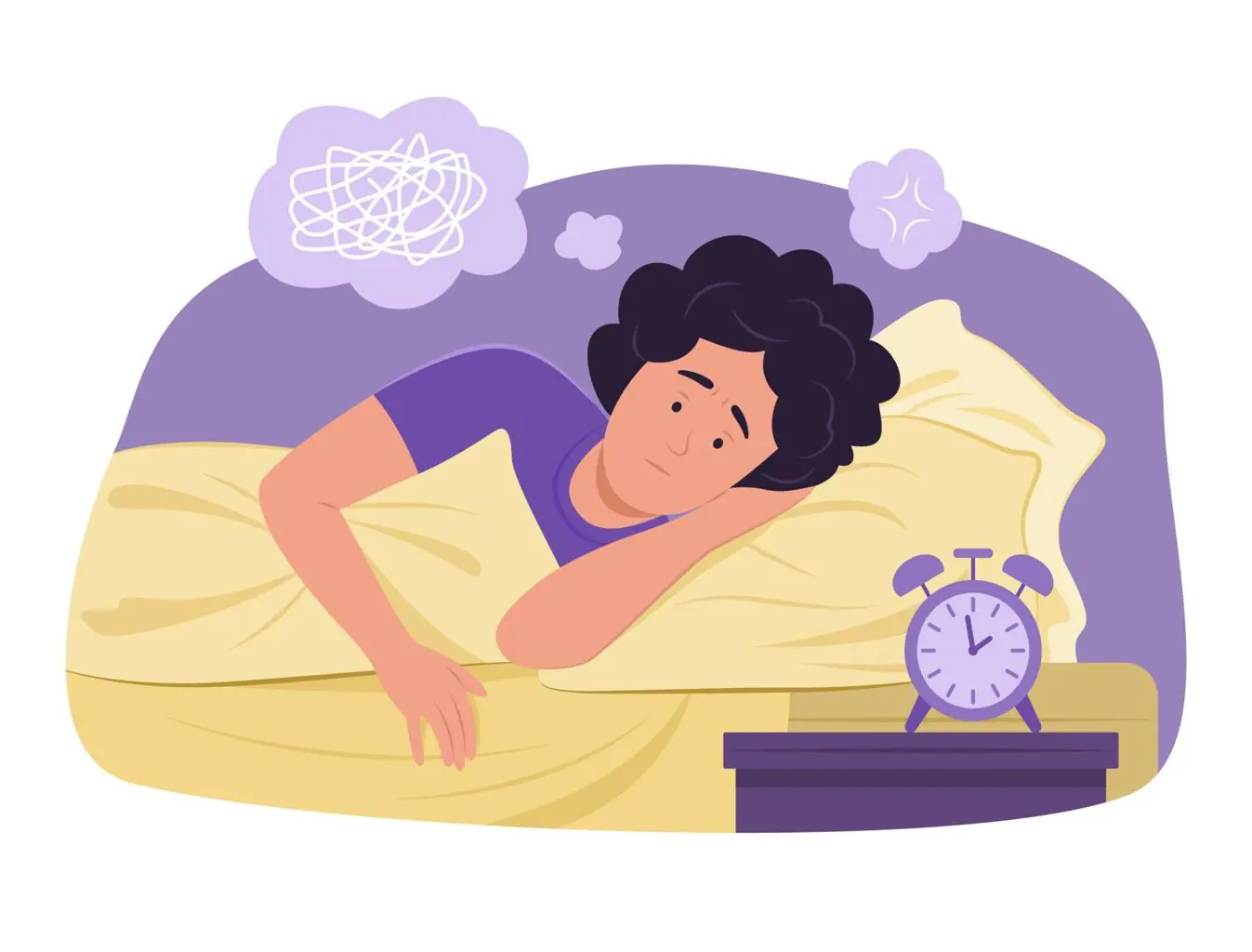
One of the most common causes of waking up between 3 and 4 a.m. is stress or anxiety.
When the brain is under emotional pressure, it may remain partially alert even during sleep. This can cause:
-
Sudden awakenings in the middle of the night
-
Racing thoughts
-
Difficulty falling back asleep
-
Feeling tired despite spending many hours in bed
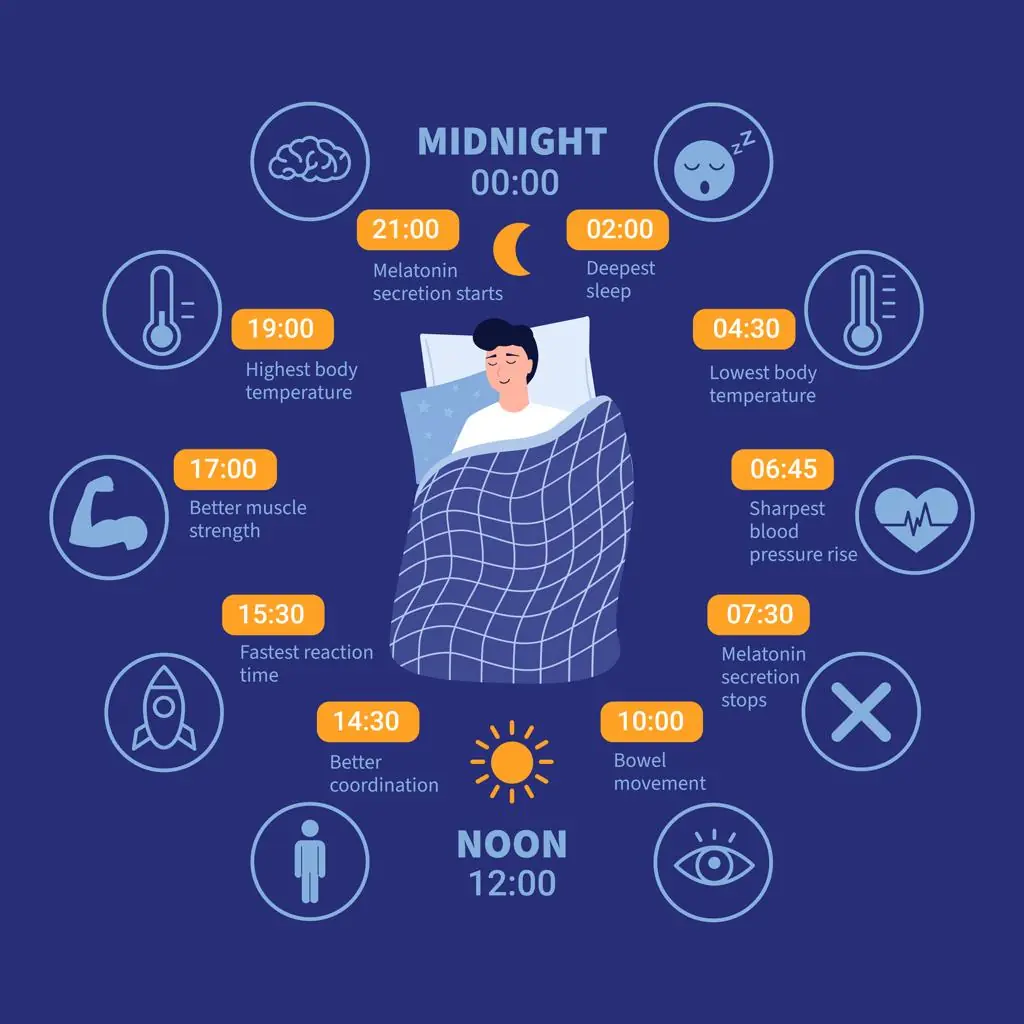
During the early morning hours, stress hormones such as cortisol begin to rise naturally. When stress levels are already high, this hormonal change can trigger early awakening.
2. Disrupted Sleep Cycles
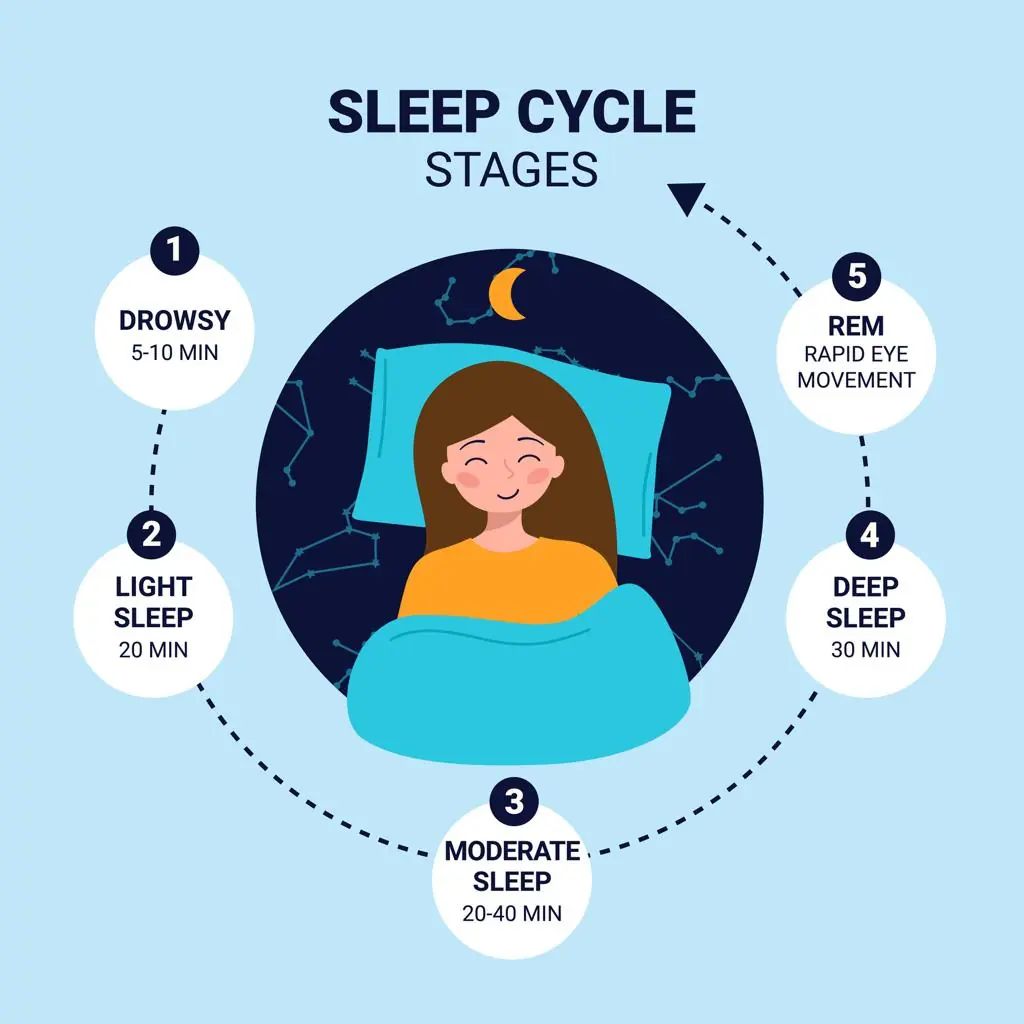
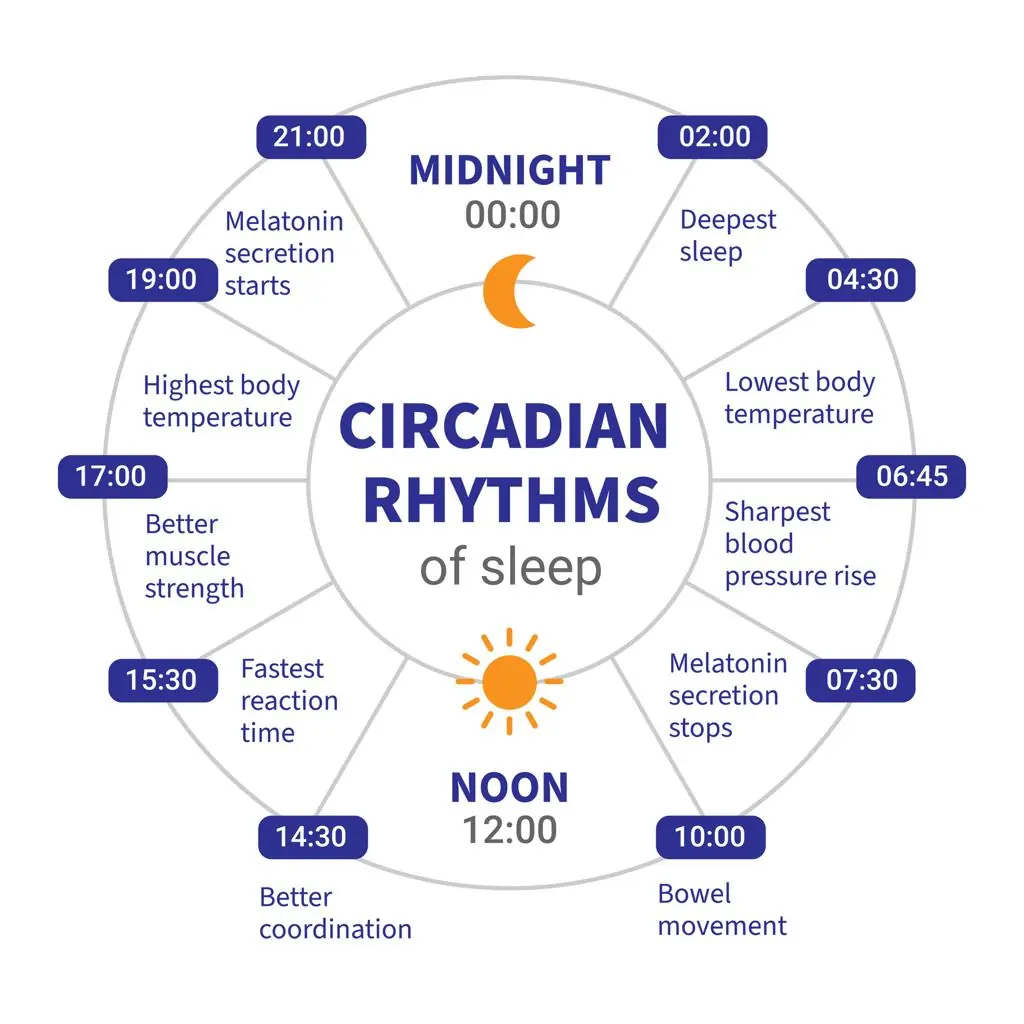
Human sleep follows cycles lasting about 90 minutes each, moving through stages of light sleep, deep sleep, and REM sleep.
Around 3–4 a.m., the body often transitions into lighter sleep stages, making it easier to wake up. If something disrupts the sleep cycle—such as noise, light, or discomfort—the brain may fully wake up instead of returning to sleep.
Maintaining consistent sleep routines helps stabilize these cycles.
3. Blood Sugar Fluctuations

 4
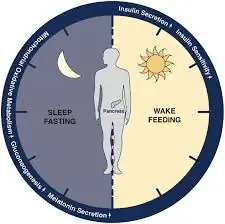
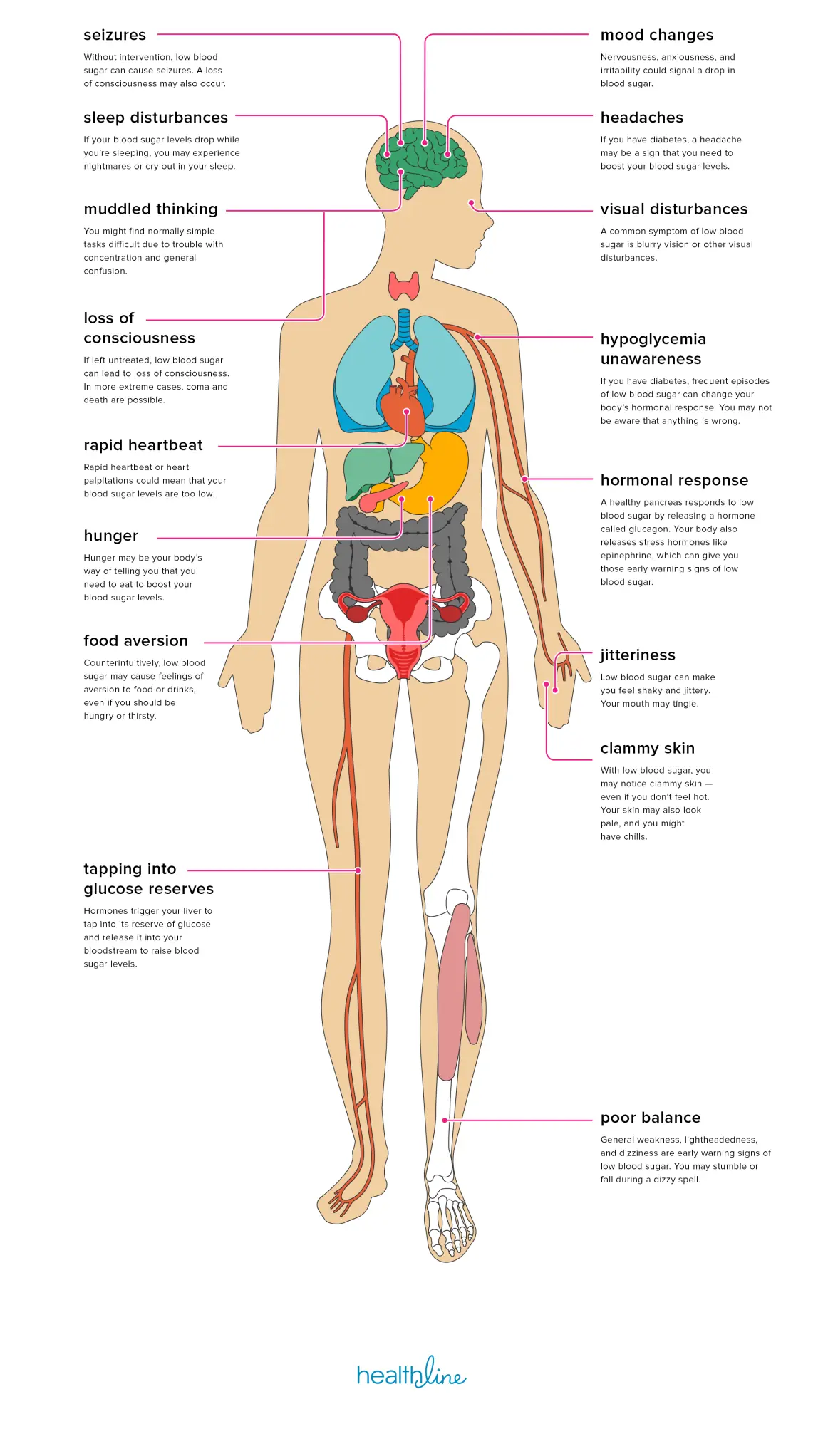
Blood sugar levels can also influence sleep patterns. During the night, the body regulates glucose levels to maintain energy balance.
If blood sugar drops too low, the body may release stress hormones such as adrenaline and cortisol, which can wake a person suddenly.
This may occur more often in people who:
-
Skip meals before bedtime
-
Eat very sugary snacks late at night
-
Have metabolic or blood sugar disorders
Balanced evening meals can help stabilize nighttime metabolism.
4. Sleep Disorders
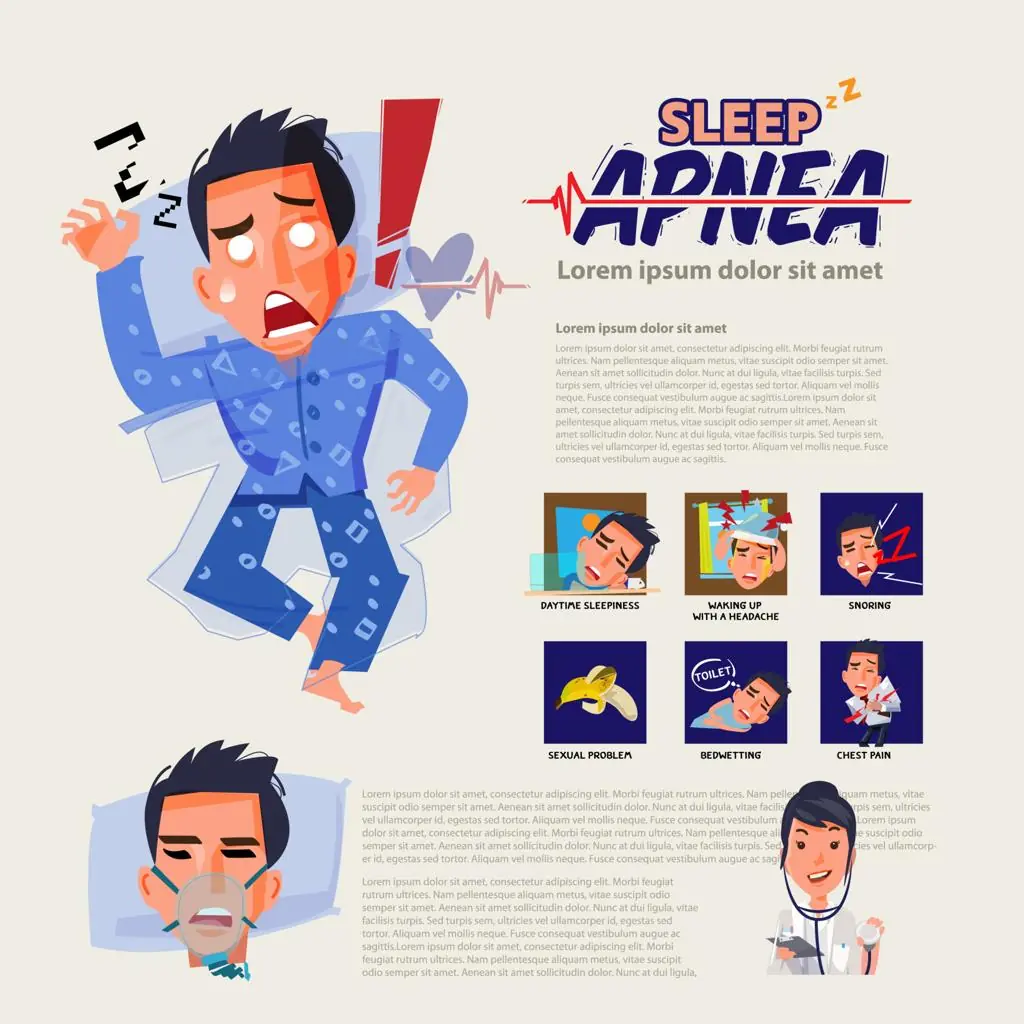
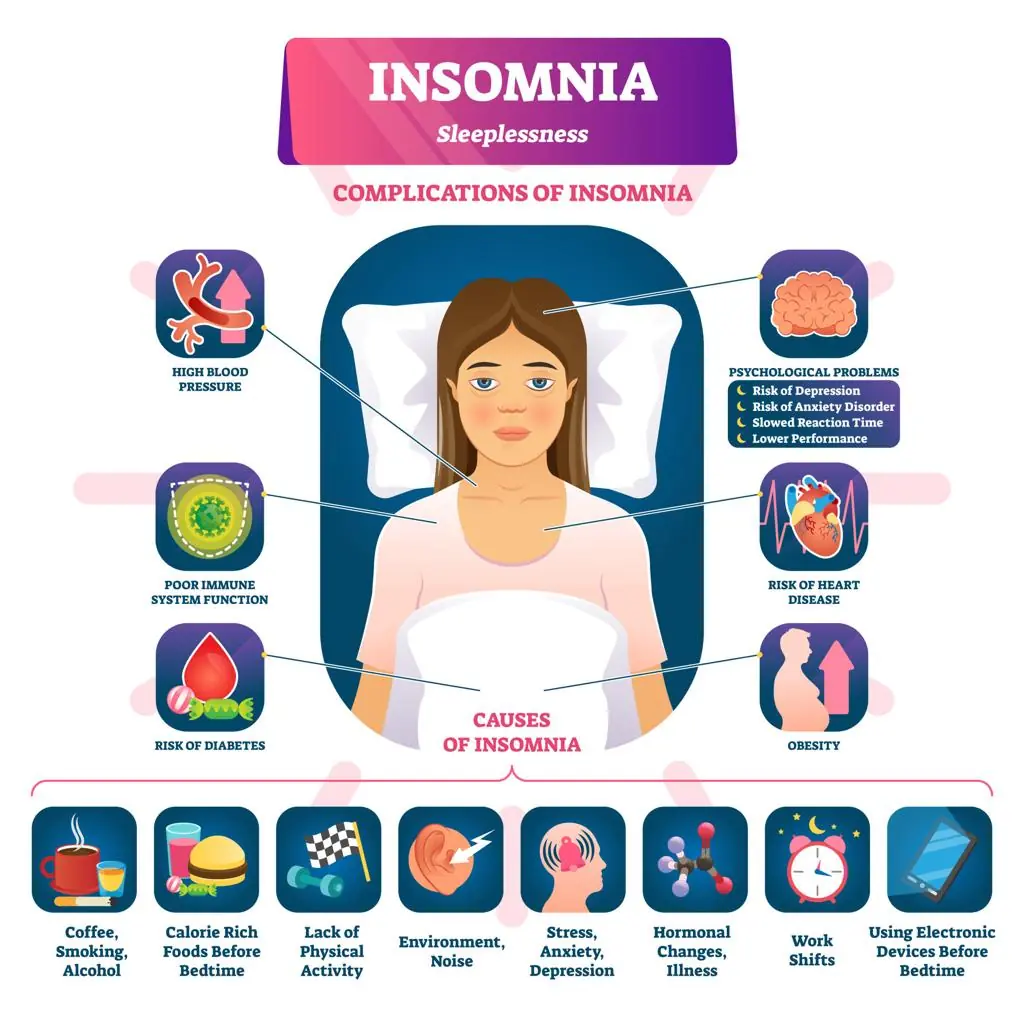 4
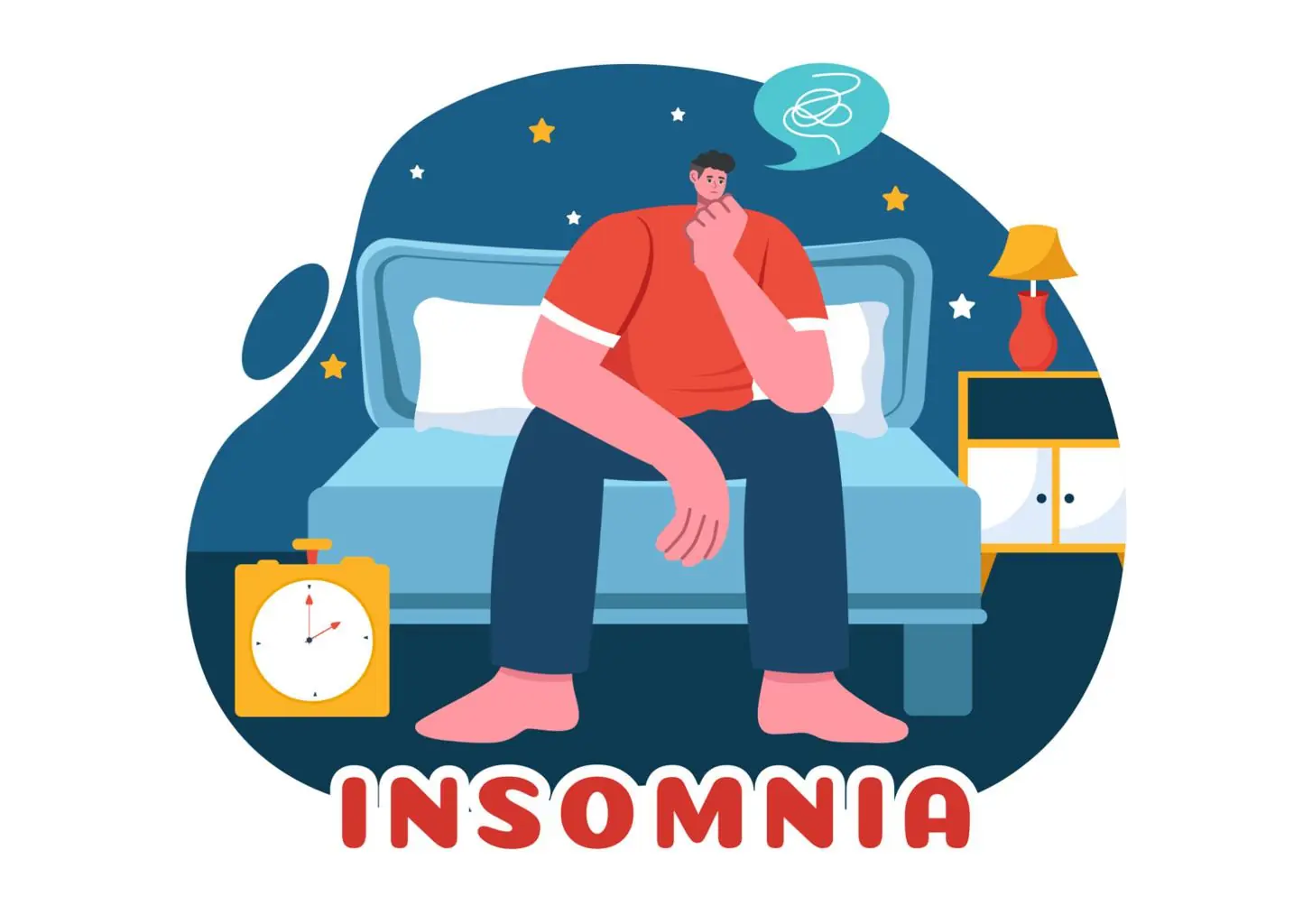
Frequent early waking may also be linked to sleep disorders.
Examples include:
-
Insomnia – difficulty staying asleep
-
Sleep apnea – breathing interruptions during sleep
-
Restless leg syndrome – uncomfortable sensations in the legs
These conditions can interrupt normal sleep patterns and cause repeated nighttime awakenings.
5. Lifestyle Habits

 4
Daily habits also play a significant role in sleep quality.
Certain behaviors can interfere with the body’s ability to stay asleep, including:
-
Drinking caffeine late in the day
-
Using electronic devices before bedtime
-
Irregular sleep schedules
-
Consuming alcohol before sleep
These habits can disrupt the body’s natural circadian rhythm and make early awakening more likely.
Tips to Improve Sleep and Prevent Early Waking
Many people can improve their sleep patterns through simple lifestyle adjustments:
-
Maintain a consistent bedtime and wake-up schedule
-
Reduce screen exposure before sleep
-
Limit caffeine and alcohol in the evening
-
Create a dark, quiet sleeping environment
-
Practice relaxation techniques such as meditation or deep breathing
These changes help support the body’s natural sleep rhythm.
When Should You Seek Medical Advice?
Occasional early waking is normal. However, medical advice may be helpful if:
-
Early waking occurs almost every night
-
Sleep problems last longer than several weeks
-
Daytime fatigue becomes severe
-
Mood or concentration is affected
Sleep specialists can evaluate underlying causes and recommend appropriate treatment.
Final Thoughts
Waking up at 3 or 4 in the morning is a common experience that can happen for many different reasons. Stress, sleep cycle changes, lifestyle habits, and metabolic factors can all influence nighttime awakening.
By understanding these potential causes and improving sleep habits, many people can restore better rest and wake up feeling more refreshed.
Healthy sleep is essential for both physical and mental well-being, making it important to pay attention to the signals the body sends during the night.
6. Hormonal Changes and Their Impact on Sleep
Hormones play an important role in regulating sleep, energy levels, body temperature, and the internal clock that tells us when to feel awake or sleepy.
When hormone levels change, sleep patterns may also change. This is one reason why some people begin experiencing frequent nighttime awakenings even when their daily routines have not changed significantly.
One important hormone is melatonin.
Melatonin is produced by the brain in response to darkness. Its primary role is to signal that it is time for the body to prepare for sleep. As morning approaches, melatonin production naturally decreases, helping the body transition toward wakefulness.
Cortisol follows a different pattern. It is involved in the body's stress response and normally begins rising during the latter part of the night, helping prepare the body to wake up.
These changes are part of a healthy biological rhythm. However, when someone is already experiencing stress, irregular sleep schedules, or other sleep disturbances, normal hormonal fluctuations may make early-morning awakenings more noticeable.
Hormonal changes can also occur during different stages of life.
For example, women going through perimenopause or menopause may experience hot flashes, night sweats, and changes in sleep quality. These symptoms can cause repeated awakenings, sometimes several times during the night.
Men may also experience sleep changes associated with aging, changes in health, or certain hormonal conditions. However, waking at a particular hour is not enough to identify a hormonal imbalance.
If nighttime awakenings occur alongside persistent fatigue, significant changes in mood, unusual temperature sensitivity, or other unexplained symptoms, a healthcare professional can help determine whether further evaluation is appropriate.
7. Menopause and Night Sweats
For many women, waking up around 3 or 4 a.m. becomes more frequent during perimenopause and menopause.
This transition involves changes in estrogen and progesterone levels. These hormones influence several body functions, including reproductive health, temperature regulation, and aspects of sleep.
One common symptom is a hot flash.
A hot flash may begin with a sudden feeling of warmth spreading through the chest, neck, or face. Some women experience flushing, sweating, a rapid heartbeat, or an uncomfortable sensation of heat.
When hot flashes occur during sleep, they are often called night sweats.
A woman may fall asleep comfortably, wake up feeling overheated, remove blankets, change clothing, or drink water before trying to return to sleep.
Even when the episode lasts only a short time, repeated interruptions can reduce overall sleep quality.