5 Early Signs of an Ulcer Many People Mistake for Indigestion ⚠️
Stomach discomfort is common, and many people assume it’s simply indigestion, stress, or something they ate. However, persistent digestive symptoms can sometimes be a sign of a stomach ulcer.
A stomach ulcer — also called a peptic ulcer — is a sore that develops in the lining of the stomach or upper small intestine. According to experts, ulcers are often linked to infection with Helicobacter pylori bacteria or long-term use of anti-inflammatory pain medications like ibuprofen and aspirin.
Here are 5 early signs of an ulcer that many people mistakenly ignore as ordinary indigestion.

1. Burning Stomach Pain
One of the most common ulcer symptoms is a burning or gnawing pain in the upper abdomen.
The pain may:
- Come and go
- Feel worse between meals
- Become more noticeable at night
- Improve temporarily after eating or taking antacids
Because the discomfort can resemble acid reflux or indigestion, many people delay getting checked. (mayoclinic.org)
2. Frequent Bloating
Feeling unusually full, bloated, or uncomfortable after eating small amounts of food may also occur with ulcers.
Some people describe it as pressure or swelling in the upper stomach area. This symptom is often confused with gas or poor digestion. (nhs.uk)
3. Nausea or Upset Stomach
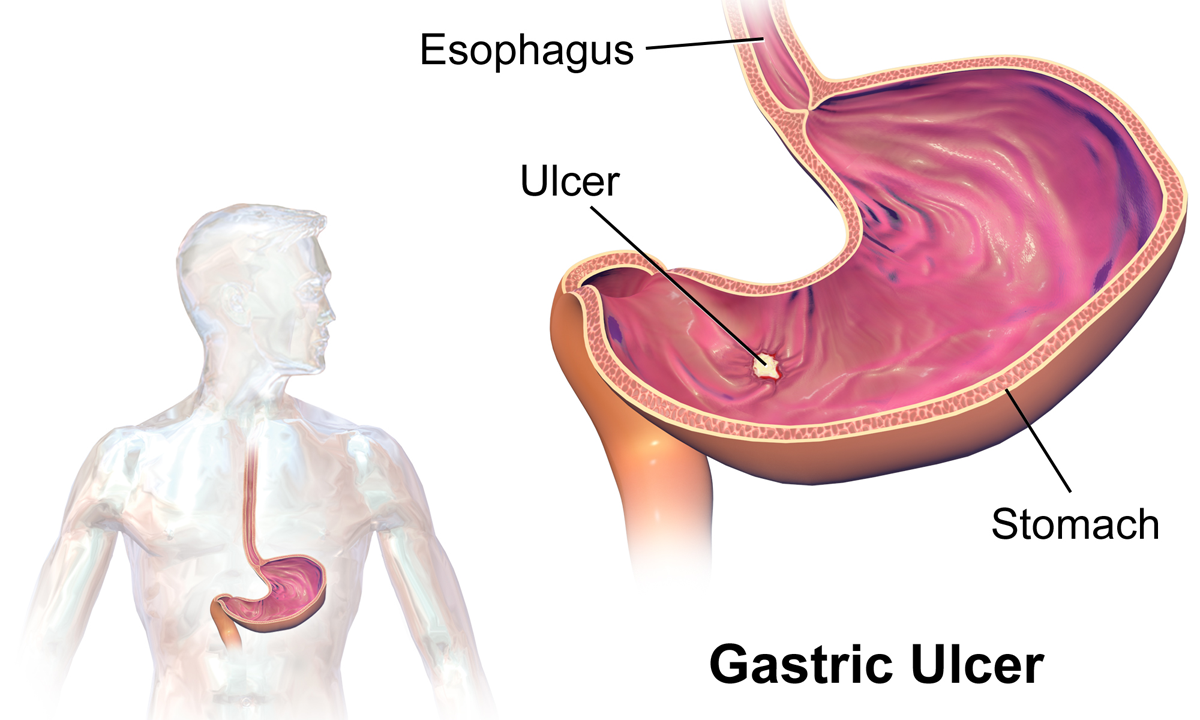
Ulcers can irritate the stomach lining and trigger:
- Nausea
- Mild vomiting
- Stomach discomfort
- A sour feeling in the stomach
These symptoms may appear especially in the morning or after long periods without eating. (clevelandclinic.org)
4. Heartburn or Acid Reflux
Many people with ulcers experience symptoms similar to acid reflux, including:
- Burning in the chest
- Sour taste in the mouth
- Burping
- Indigestion
Because reflux is common, ulcer-related symptoms are sometimes overlooked until the pain becomes more severe. (mayoclinic.org)
5. Loss of Appetite or Unexplained Weight Loss

Some people with ulcers begin eating less because food worsens their discomfort. Over time, this may lead to:
- Reduced appetite
- Feeling full quickly
- Unintended weight loss
Doctors say unexplained weight loss should never be ignored, especially when combined with digestive symptoms. (nhs.uk)
When an Ulcer Becomes Dangerous
Some ulcers can lead to serious complications if left untreated.
Seek immediate medical attention if you experience:
- Vomiting blood
- Black or bloody stools
- Sudden severe stomach pain
- Fainting or weakness
These may be signs of internal bleeding or a perforated ulcer, which can become life-threatening. (clevelandclinic.org)
What Causes Ulcers?
According to experts, common causes include:
- H. pylori bacterial infection
- Long-term use of NSAID pain relievers
- Smoking
- Heavy alcohol use
- Severe stress in some cases
Final Thoughts
Not every stomach ache is “just indigestion.” Persistent burning pain, bloating, nausea, or appetite changes may be early warning signs of an ulcer.
Early diagnosis and treatment can help prevent serious complications and improve recovery. If symptoms continue or worsen, experts recommend speaking with a healthcare professional. ⚠️
Sources
- Mayo Clinic – Peptic Ulcer Symptoms and Causes
- NHS – Stomach Ulcer Overview
- Cleveland Clinic – Peptic Ulcer Disease