Every so often, a household tip goes viral on social media, claiming that a simple kitchen ingredient can solve a surprising range of problems. One recent trend suggests placing a handful of black peppercorns under the bed to repel insects, eliminate bad odors, improve sleep, or even bring good luck.
While these claims are certainly intriguing, it's important to separate tradition from scientific evidence. Black pepper has long been valued as a culinary spice and has been used in traditional practices in many cultures, but there is currently no reliable scientific evidence that placing peppercorns under a bed provides the wide-ranging household or health benefits often claimed online.
So why do people do it, and are there any practical uses for peppercorns beyond the kitchen? Let's take a closer look.
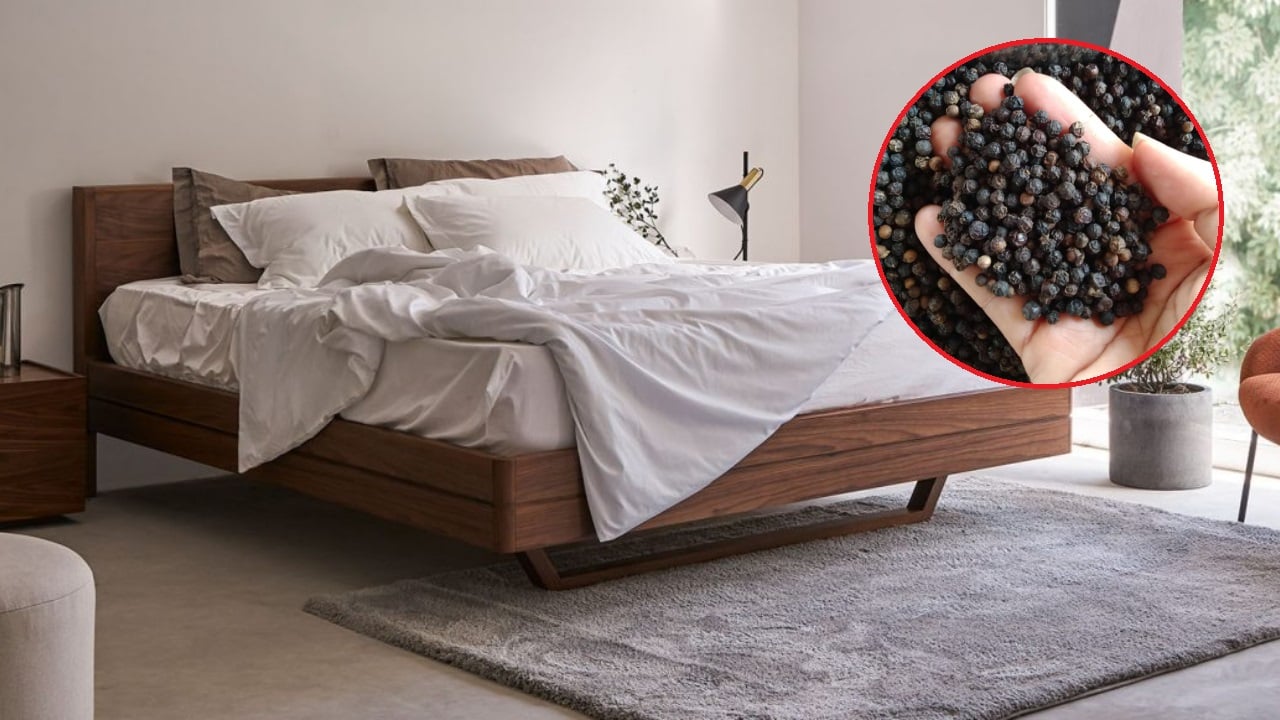
Why Has This Trick Become Popular?
The idea of placing peppercorns under the bed has spread through:
-
Social media videos
-
Traditional household advice
-
Folk beliefs
-
Word-of-mouth recommendations
Common claims suggest that peppercorns can:
-
Repel insects
-
Keep mice away
-
Eliminate unpleasant odors
-
Improve sleep quality
-
Remove "negative energy"
-
Freshen the bedroom
However, most of these claims have not been supported by scientific research.
What Is Black Pepper?
Black pepper comes from the dried berries of the Piper nigrum plant.
It contains several naturally occurring compounds, including:
-
Piperine
-
Essential oils
-
Antioxidants
These compounds contribute to black pepper's distinctive aroma, flavor, and some of its studied biological properties when consumed as food.
However, the presence of these compounds does not automatically mean peppercorns are effective when simply placed around the home.
Claim 1: Can Peppercorns Repel Insects?
Some people believe the strong smell of black pepper discourages insects from entering certain areas.
In reality:
Scientific evidence supporting black pepper as an effective household insect repellent is limited.
While certain insects may avoid strong odors temporarily, peppercorns should not be considered a reliable method for controlling:
-
Ants
-
Cockroaches
-
Mosquitoes
-
Flies
Proper sanitation, sealing entry points, and evidence-based pest control methods remain far more effective.
Claim 2: Can Peppercorns Keep Mice Away?
Another common belief is that mice dislike the smell of pepper.
Although rodents rely heavily on their sense of smell, there is little scientific evidence that peppercorns alone reliably prevent mice from entering homes.
The most effective mouse prevention strategies include:
-
Sealing entry points
-
Storing food in airtight containers
-
Removing clutter
-
Eliminating water sources
-
Using appropriate traps if necessary
Peppercorns should not replace these proven methods.
Claim 3: Do Peppercorns Remove Odors?
Whole peppercorns have a pleasant spicy aroma.
They may briefly contribute a subtle scent in small enclosed spaces.
However, peppercorns do not absorb odors in the same way that products such as:
-
Activated charcoal
-
Baking soda
-
Specialized odor absorbers
are designed to do.
If unpleasant smells persist, identifying and removing the source is the best solution.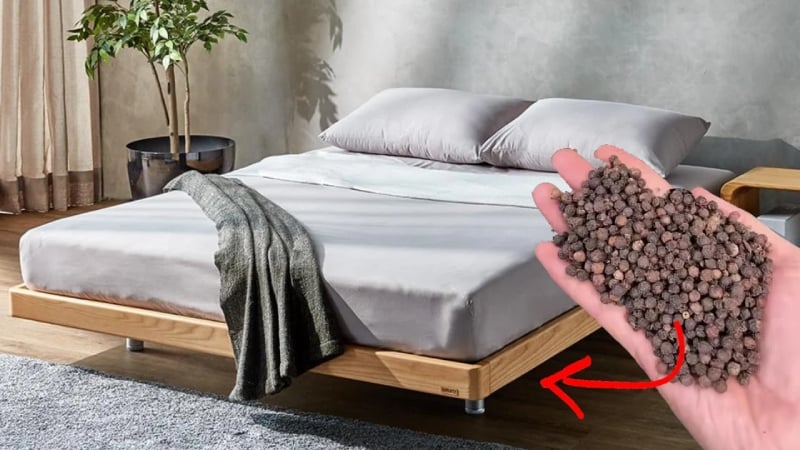
Claim 4: Can Peppercorns Improve Sleep?
Some online posts suggest sleeping near peppercorns promotes relaxation.
Currently, no scientific studies demonstrate that placing peppercorns under a bed improves sleep quality.
Healthy sleep is much more strongly influenced by:
-
A consistent bedtime
-
A comfortable mattress
-
A cool, quiet bedroom
-
Limiting caffeine late in the day
-
Managing stress
These evidence-based habits are far more likely to improve sleep than placing spices under the bed.
Claim 5: Do Peppercorns Bring Good Luck?
In some cultures, spices—including black pepper—have been associated with symbolic meanings related to:
-
Protection
-
Prosperity
-
Good fortune
These traditions can be meaningful from a cultural or personal perspective.
However, there is no scientific evidence that peppercorns influence luck or energy.
Whether someone chooses to follow these traditions is a matter of personal belief rather than scientific fact.
Are There Practical Household Uses for Black Pepper?
Although many viral claims are exaggerated, black pepper can still be useful in everyday life.
1. Cooking
Its primary use remains enhancing the flavor of foods, including:
-
Soups
-
Salads
-
Meat dishes
-
Vegetables
-
Eggs
2. Homemade Seasoning Blends
Freshly ground pepper combines well with herbs and spices to create flavorful seasoning mixes.
3. Composting (In Small Amounts)
Very small amounts of natural kitchen spices can be added to compost, although pepper should not be added in large quantities.
4. Aromatic Potpourri
Whole peppercorns may be included with dried citrus peels, cinnamon sticks, and cloves in decorative potpourri mixtures for fragrance.
What Actually Helps Keep Your Home Clean and Comfortable?
Instead of relying on viral hacks, consider evidence-based approaches.
To Reduce Insects
-
Keep food sealed.
-
Clean crumbs promptly.
-
Repair window screens.
-
Eliminate standing water.
-
Seal cracks around doors and windows.
To Prevent Rodents
-
Store food securely.
-
Seal entry holes.
-
Remove clutter.
-
Keep garbage containers tightly closed.
To Improve Indoor Air
-
Open windows when weather allows.
-
Use proper ventilation.
-
Address moisture problems.
-
Clean regularly.
-
Replace HVAC filters as recommended.
These strategies are supported by research and are far more effective than simply placing spices around the home.
Common Myths About Peppercorns
Myth 1: Peppercorns Solve Household Problems
No single household item can solve every problem.
Each issue—whether pests, odors, or moisture—requires its own appropriate solution.
Myth 2: Natural Always Means Effective
Many natural products have useful properties, but effectiveness depends on scientific evidence and proper application.
Myth 3: Viral Tips Are Always Accurate
Many popular home hacks are based on personal anecdotes rather than controlled scientific studies.
Whenever possible, it's worth checking whether reliable evidence supports a claim before relying on it.
Should You Try It?
Placing peppercorns under your bed is generally harmless if kept dry and away from pets or young children who might accidentally ingest them.
However, it's important to have realistic expectations.
If your goal is to:
-
Improve sleep
-
Eliminate pests
-
Remove odors
-
Protect your home
there are more reliable, evidence-based methods available.
Peppercorns can certainly remain a valuable ingredient in your kitchen - but they should not be expected to perform miracles elsewhere.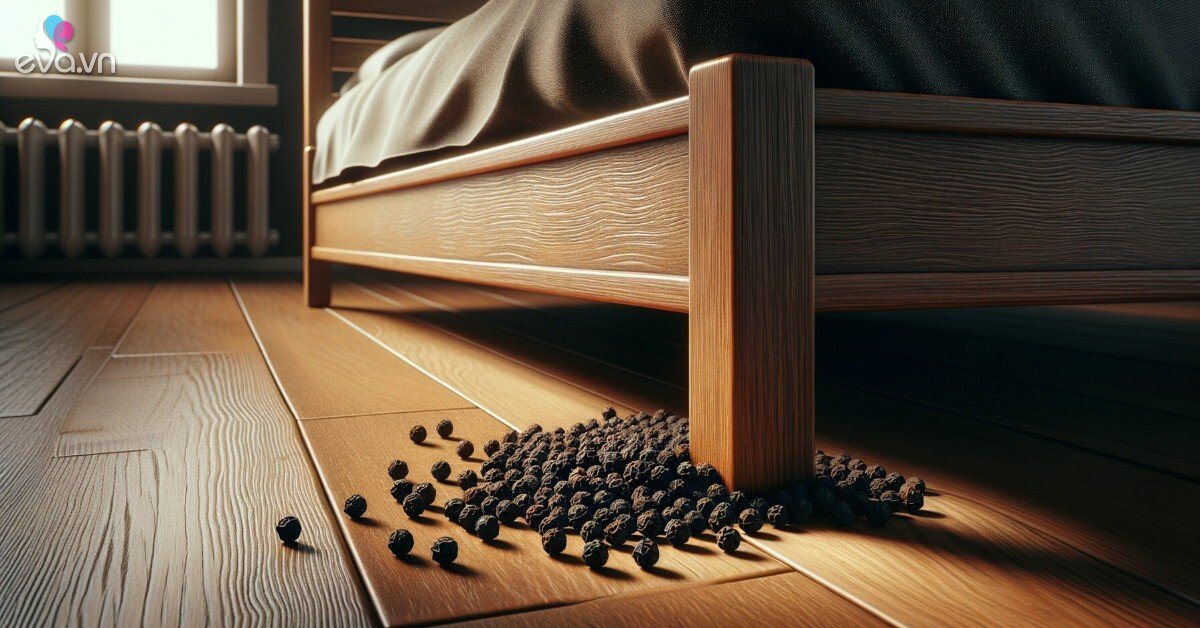
Final Thoughts
The idea of placing peppercorns under the bed has become a popular household trend, fueled by social media and traditional beliefs. While black pepper has a rich history as both a spice and a traditional household ingredient, there is currently no strong scientific evidence that simply placing peppercorns under a bed can repel pests, improve sleep, eliminate odors, or bring good luck.
That doesn't mean black pepper lacks value. It remains a nutritious culinary spice with antioxidant compounds and many practical uses in cooking. However, when it comes to solving household problems, proven strategies such as good cleaning habits, proper food storage, sealing entry points, and regular home maintenance are far more effective.
Before trying any viral home remedy, it's always wise to ask an important question: Is there reliable scientific evidence behind the claim? In many cases—including this one—the answer helps separate interesting traditions from practical reality.