Explanation:
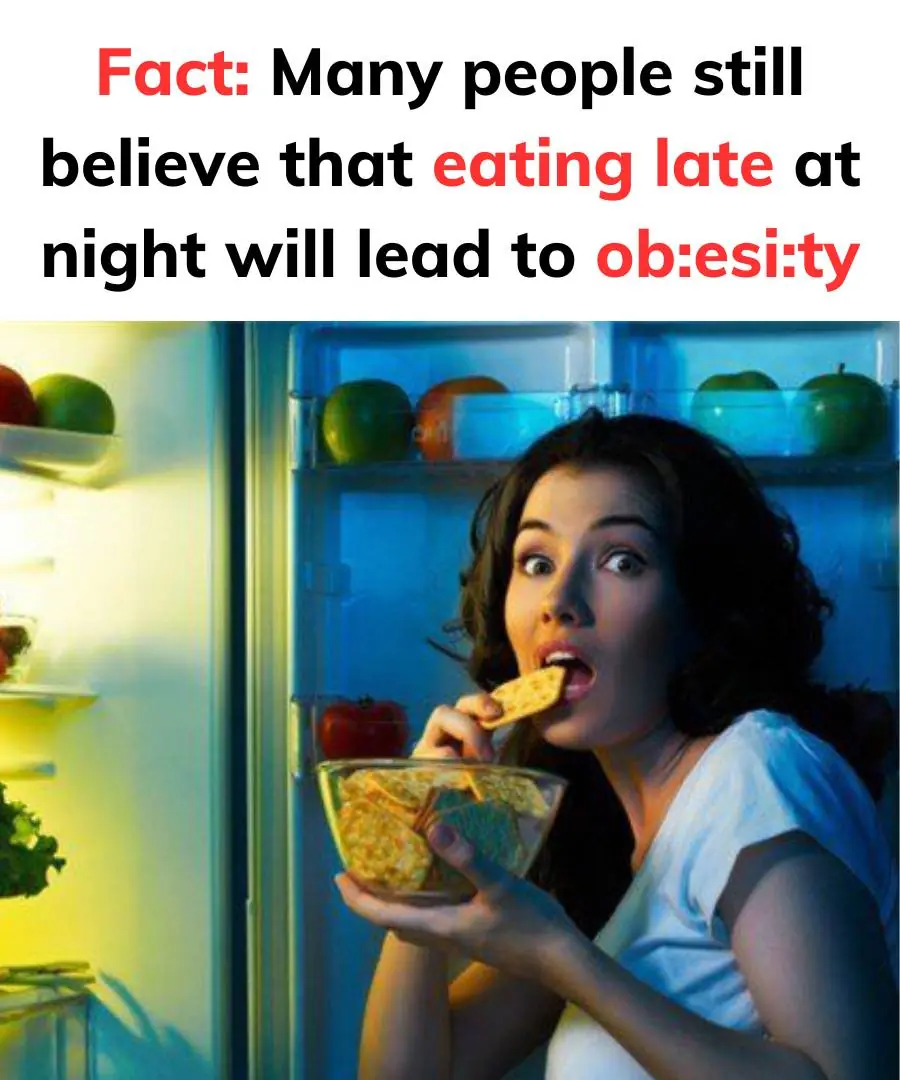
Not only do late eaters tend to eat more food, they also tend to make more unhealthy food choices. At night, you may be more likely to choose unhealthy, calorie-dense foods. These are foods that have little nutritional value, such as chips, soda, and ice cream.
There are many possible reasons for this. One reason is that late-night eaters may not have easy access to healthy foods. Night shift workers are a good example of this. Several studies have shown that night-shift workers tend to snack on unhealthy foods for convenience, as there may be a lack of healthy food options at work at night.
Emotional eating is another factor that leads to making more unhealthy food choices at night. It is important to distinguish between eating because you are hungry and eating for other reasons, such as stress, anxiety, boredom, or sadness.
Furthermore, fatigue is associated with increased food intake and cravings for high-calorie foods. This may be due to hormonal changes caused by sleep deprivation, which stimulate appetite and lead to increased calorie intake.
As mentioned above, when it comes to weight gain, what you eat is more important than when you eat. If your calorie intake is within your daily calorie needs, you will not gain weight by eating at night.