Doctors Reveal: What Really Happens When You Eat Peanuts Daily
Peanuts are everywhere — cheap, convenient, and often labeled as a “healthy snack.” But at the same time, you’ve probably seen headlines claiming “eating peanuts causes hidden health issues.” So what’s actually true?
Let’s break it down clearly:
peanuts are not dangerous by default — but how, how much, and in what condition you eat them matters a lot.
What’s Inside Peanuts? (Why They’re So Popular)


Peanuts are technically legumes, but nutritionally they behave like nuts.
They contain:
- Healthy fats (mostly unsaturated)
- Protein (great for muscle repair)
- Vitamin E & B vitamins
- Magnesium, potassium
This is why peanuts are often recommended for:
- Energy boosting
- Heart health (in moderation)
- Weight management (if portion-controlled)
So far, so good.
The “Hidden Risk” Doctors Warn About
Here’s where things get real. The concern isn’t peanuts themselves — it’s specific risks linked to improper consumption or overuse.
1. Aflatoxin Contamination (The Biggest Concern)
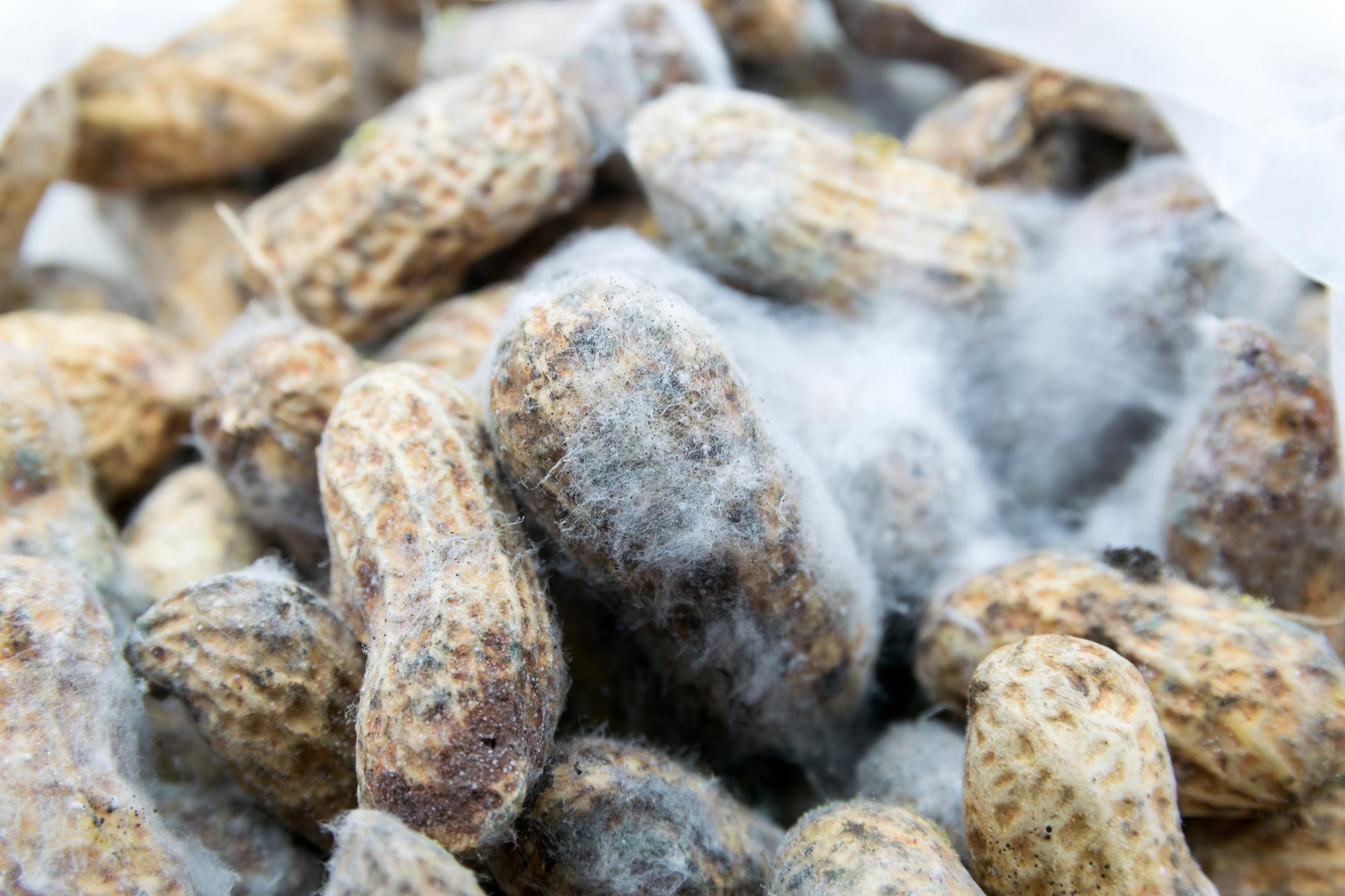


Peanuts are highly susceptible to a type of mold that produces aflatoxins — toxic compounds linked to liver damage and even cancer in extreme cases.
This happens when:
- Peanuts are stored in humid conditions
- They are old, damp, or poorly processed
Important note:
Regulated food products are usually tested and safe.
The risk mainly comes from low-quality or improperly stored peanuts.
2. Overeating = Digestive Overload
Peanuts are calorie-dense.
Eating too much can lead to:
- Bloating and indigestion
- Acid reflux
- Excess calorie intake → weight gain
A small handful = healthy
A whole bag daily = problem
3. Omega-6 Imbalance
Peanuts contain a high amount of omega-6 fatty acids.
While omega-6 is essential, too much (without enough omega-3) can:
- Promote inflammation
- Affect long-term heart health
This becomes an issue when peanuts are eaten excessively without dietary balance.
4. Peanut Allergies (Serious but Specific)


This is one of the most severe food allergies.
Symptoms can include:
- Skin rashes
- Swelling of lips and throat
- Difficulty breathing
In extreme cases → anaphylaxis (life-threatening)
But this only applies to people with peanut allergies — not the general population.
5. Salted & Processed Peanuts = Hidden Danger
Not all peanuts are equal.
Highly processed versions:
- Contain excess salt → high blood pressure risk
- Include additives or oils → unhealthy fats
Roasted, salted peanuts eaten daily can quietly harm cardiovascular health.
So… Are Peanuts Good or Bad?
Here’s the balanced truth:
Peanuts are healthy when:
- Eaten in moderation (about a handful/day)
- Stored properly (dry, fresh, no mold smell)
- Not overly processed or salted
Peanuts can be harmful when:
- Consumed excessively
- Poor quality or mold-contaminated
- Part of an unbalanced diet
Smart Ways to Eat Peanuts Safely
Keep it simple:
- Choose unsalted, dry-roasted or raw peanuts
- Store in airtight containers
- Avoid peanuts with strange smell or taste
- Combine with omega-3 foods (fish, chia seeds)
- Stick to controlled portions
Final Takeaway
The statement “eating peanuts causes harm” is only half true.
Peanuts themselves are not the enemy.
Misuse, overconsumption, and poor quality are.
So don’t panic — just upgrade the habit.
A handful of good-quality peanuts? Solid choice.
A daily binge on salty, low-quality peanuts? That’s where problems start.
Eat smart, not scared.