Cultivating lemon trees in your garden or home brings not only visual charm but also the practical advantage of homegrown lemons. One novel approach to propagating lemon trees is by using cuttings with tissue paper. This guide delves into this distinctive method, offering easy-to-follow steps suitable for gardeners at any skill level.
Fundamentals of Lemon Tree Propagation
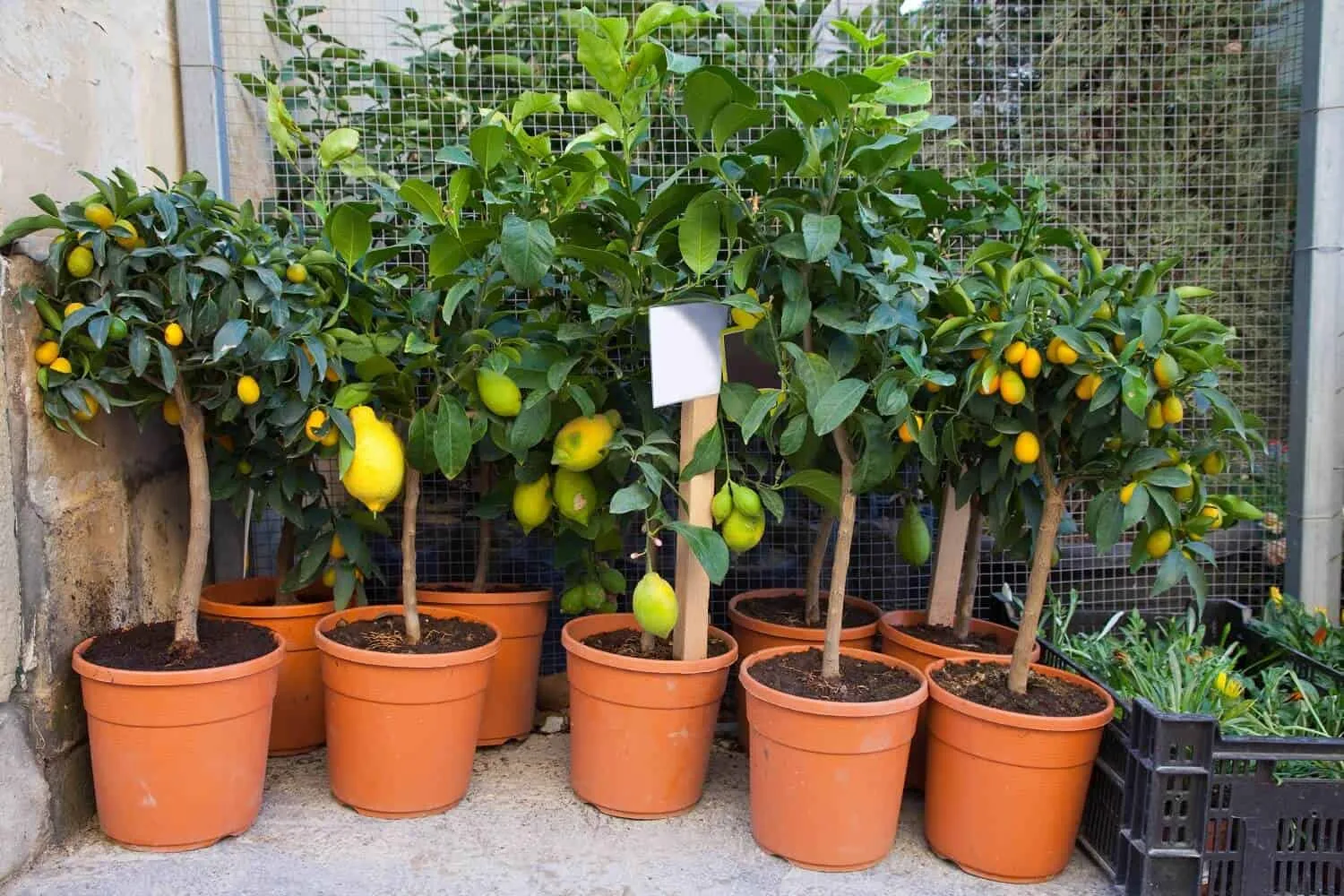
Cutting-based propagation is a popular technique for various plants, including lemon trees. It is preferred because it replicates the parent plant, guaranteeing identical fruit quality. Propagating from cuttings often yields more predictable results than seeding, where plant traits can vary.
Importance of Tissue Paper in Propagation
In this method, tissue paper is essential for preserving moisture around the cutting, a vital factor for root growth. This technique creates a more controlled environment than traditional soil or water planting, aiding in root formation while minimizing the risk of decay or disease.
Materials Required
You will need: robust lemon tree cuttings, tissue paper, a rooting hormone, a suitable potting mix, and appropriate pots. Clean pruning shears and a small brush for the rooting hormone application will also be useful.
Selecting the Ideal Cutting

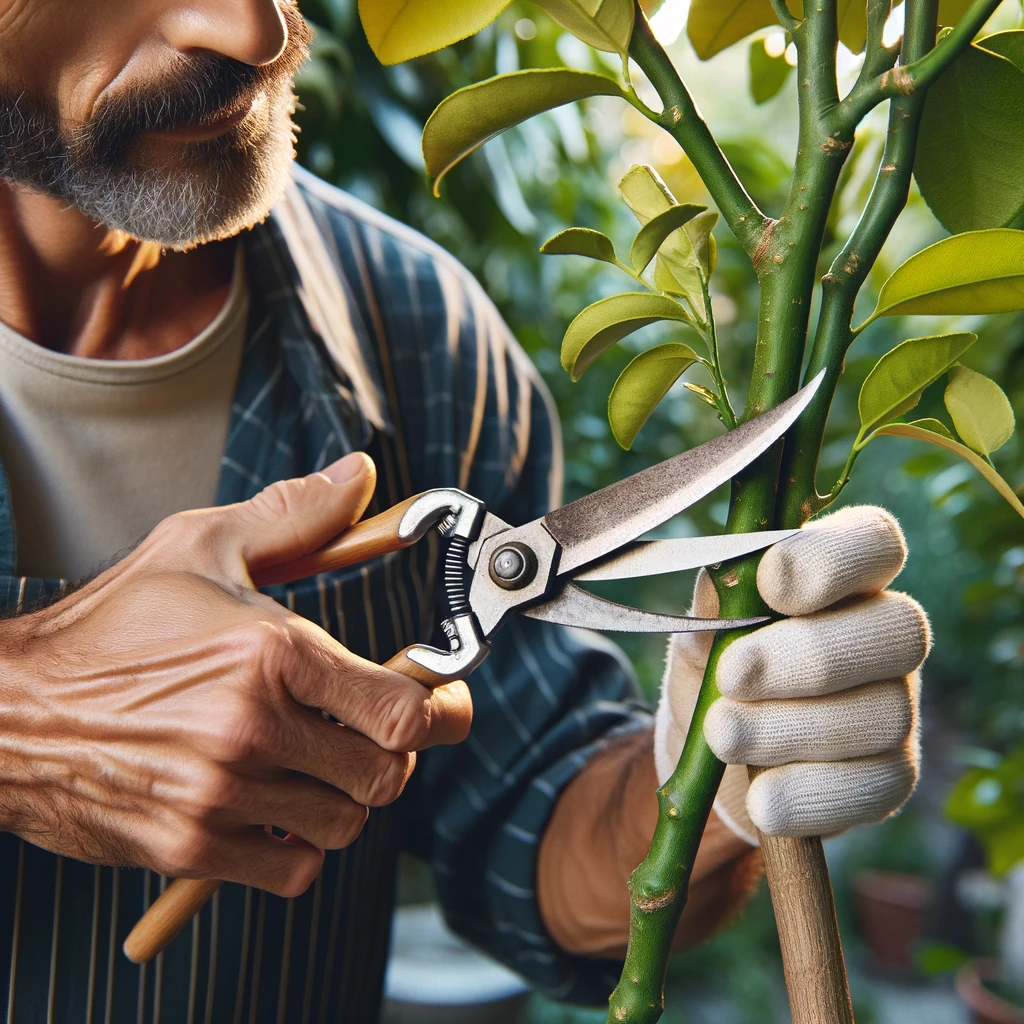
The success of this method starts with the right cutting. Opt for a vigorous, 6-8 inch branch from a mature lemon tree, ideally in late spring or early summer during active growth.
Preparing Your Cutting
Cut the branch at a 45-degree angle. Strip the lower half of its leaves to expose the nodes, encouraging the cutting to concentrate on root development.
Tissue Paper’s Role in Rooting
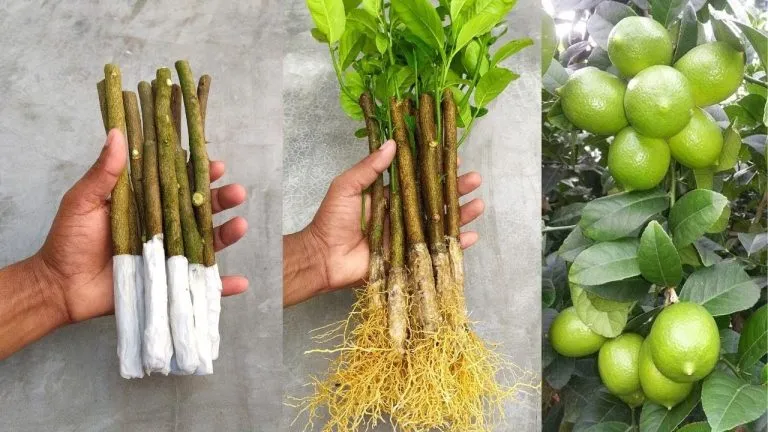
Wrap the leafless bottom half of the cutting in damp (not wet) tissue paper to create a humid microenvironment conducive to rooting.
Application of Rooting Hormone
Dip the cutting’s end into a rooting hormone to foster root growth, improving propagation success.
Planting Process
In a pot filled with well-draining soil, plant the tissue-wrapped cutting, ensuring the tissue is covered. Press the soil around the cutting for stability.

Creating an Optimal Environment
Position the pot in a warm (70-75°F or 21-24°C), well-lit spot away from direct sunlight. Cover the pot with plastic or a clear container to maintain humidity.
Ongoing Care
Keep the soil moist (not soggy) and refrain from fertilizing until roots establish. If using a humidity cover, occasionally ventilate to prevent mold.
Checking Root Progress
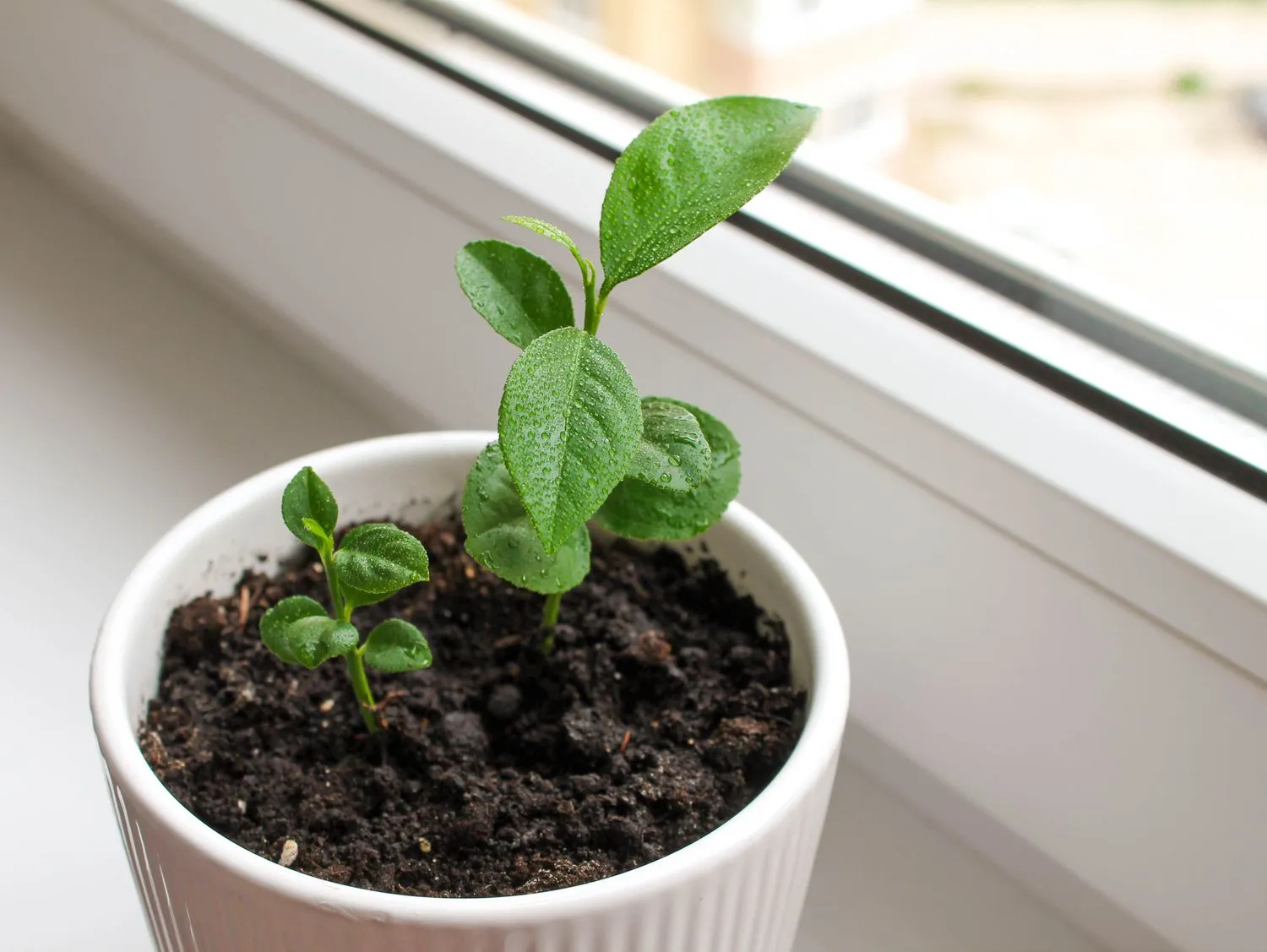
After 4-6 weeks, test for root growth by gently pulling the cutting. Resistance usually indicates root formation. You can also inspect the roots by slightly unwrapping the tissue.
Transplanting the Cutting

Once a healthy root system is present, transplant the cutting into a larger pot or garden. Choose a spot with well-draining soil and ample sunlight.
Troubleshooting Tips
To avoid issues like rot, inadequate root growth, or mold, start with a healthy cutting, use sterile tools, and maintain correct moisture and temperature conditions.
Propagating lemon trees with tissue-paper-wrapped cuttings is an engaging and fruitful endeavor. While it demands attentiveness and patience, the outcome is a genetically identical lemon tree to its parent. These comprehensive instructions enable even beginner gardeners to successfully propagate lemon trees and savor their own harvest.