The High-Risk Period: Health Concerns for People Aged 46-55
The period between the ages of 46 and 55 is often referred to as a "high-risk period" in life, particularly concerning health. During these years, individuals are more prone to strokes, early death, and other health complications. As people enter their late 40s and early 50s, it’s crucial to recognize the signs of potential health issues and take preventive measures. Understanding the risks and being aware of the symptoms can significantly improve one’s quality of life and reduce the chances of serious medical conditions.
Why is the Age 46-55 a High-Risk Period?
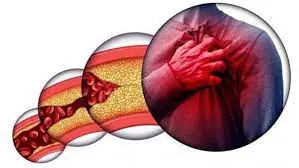
Aging comes with various changes in the body. During the ages of 46 to 55, the body starts to undergo significant transformations. This period is often characterized by a slowing metabolism, hormonal changes, and a decrease in physical activity, all of which contribute to an increased risk of developing chronic diseases. These health changes include a higher likelihood of experiencing cardiovascular issues such as heart attacks and strokes. The risk of developing high blood pressure, diabetes, and other conditions that impact the heart and blood vessels also increases during this time.
The Top 10 Signs to Watch Out For
While the risk of stroke and early death is heightened during this period, it’s important to recognize the early warning signs. Identifying these signs early can help prevent a health crisis and ensure timely medical intervention. Here are the 10 key signs that individuals aged 46-55 should be aware of:
Frequent Headaches or Dizziness Persistent headaches or dizziness could be a sign of a developing stroke or other cardiovascular problems. It’s important not to ignore these symptoms, as they could be early indicators of a more serious issue.
Numbness or Weakness in the Face, Arm, or Leg Sudden numbness or weakness, especially on one side of the body, is one of the most common warning signs of a stroke. If you experience this symptom, immediate medical attention is necessary.
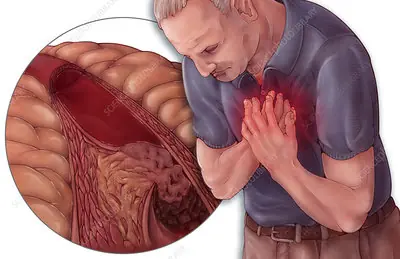
Chest Pain or Discomfort Chest pain or discomfort can indicate heart problems such as heart attacks. It’s crucial to seek medical advice immediately if you experience tightness or pressure in your chest, particularly if it’s accompanied by shortness of breath or pain radiating to the arm or jaw.
Shortness of Breath or Difficulty Breathing Difficulty breathing or shortness of breath, especially during routine activities, can be a sign of cardiovascular issues. This symptom should not be dismissed as just a part of aging.
Blurred Vision or Sudden Vision Loss Sudden vision changes or blurred vision can indicate a risk of stroke or high blood pressure affecting the eyes. These should be evaluated by a healthcare professional as soon as possible.
Severe Fatigue or Weakness A sudden or unusual feeling of extreme tiredness or weakness could be a warning sign of a serious underlying health problem. This could indicate heart issues, diabetes, or even a stroke.
Confusion, Trouble Speaking, or Understanding Difficulty in speaking or understanding others, along with confusion, may be signs of a stroke. These symptoms require immediate medical evaluation and intervention.
High Blood Pressure Chronic high blood pressure is a major risk factor for strokes and heart disease. Regular monitoring and treatment of high blood pressure are essential during this age period.
Sudden Weight Gain or Swelling Rapid weight gain or unusual swelling can be a sign of heart failure, kidney disease, or other underlying health issues. Immediate attention from a healthcare provider is recommended.
Persistent Cough or Blood in Sputum A persistent cough, particularly when accompanied by blood in the sputum, can be an indication of respiratory or cardiovascular problems. This should never be overlooked.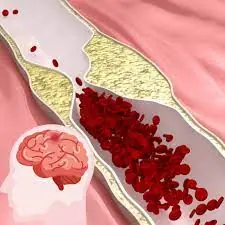
Preventive Measures to Take
Although aging and its accompanying risks are unavoidable, there are several lifestyle changes that individuals in the 46-55 age group can make to significantly reduce their risk of stroke and other health problems:
- Maintain a Healthy Diet: A balanced diet rich in fruits, vegetables, whole grains, and lean proteins can help manage weight, blood pressure, and cholesterol levels.
- Exercise Regularly: Staying physically active helps prevent obesity, reduces the risk of high blood pressure, and improves cardiovascular health.
- Quit Smoking: Smoking is a major risk factor for cardiovascular disease and stroke. Quitting smoking can improve circulation and reduce overall health risks.
- Limit Alcohol Consumption: Drinking in moderation, or not at all, can help prevent liver disease, high blood pressure, and other health problems.
- Manage Stress: Chronic stress can elevate blood pressure and contribute to heart disease. Techniques such as meditation, yoga, and deep breathing can be helpful.
The Importance of Regular Check-ups
Regular check-ups with a healthcare provider are essential during this period of life. Routine screenings for blood pressure, cholesterol, glucose levels, and other health indicators can help identify potential problems early, before they develop into serious conditions.
Conclusion
The period between 46 and 55 is undoubtedly a high-risk phase in life, with individuals more susceptible to stroke, heart disease, and other health complications. Recognizing the signs and symptoms of these risks, coupled with a commitment to a healthy lifestyle, can make all the difference in reducing the chances of severe health issues. Regular medical check-ups, maintaining a healthy diet, and staying active are key steps in ensuring a longer, healthier life during this critical period.