Research suggests milk could hydrate better than water due to its nutrient content, especially after workouts. Yet for daily hydration, sticking with water is recommended.
How Milk Compares to Water for Hydration
You might have noticed ads suggesting that milk hydrates better than water. While some research backs this claim, the evidence is limited.
These claims mostly rely on a few small studies, such as one published in 2016 in The American Journal of Clinical Nutrition. In the study:
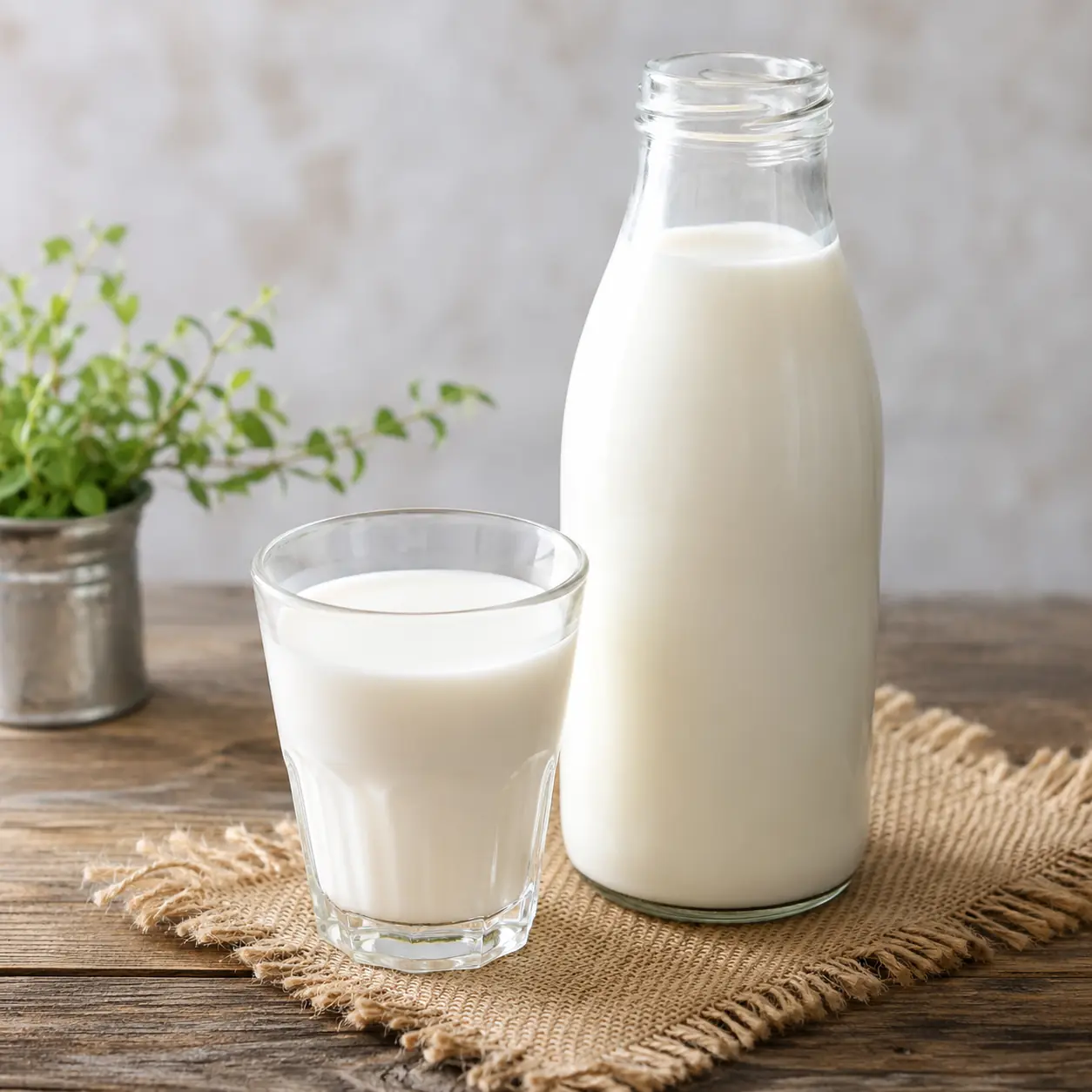
Researchers checked urine output after participants consumed various drinks, including still and sparkling water, full-fat and skim milk, cola, sports drinks, coffee, beer, orange juice, oral rehydration solution, and tea.
The study introduced the Beverage Hydration Index (BHI) as a tool to compare how well different beverages maintain hydration.
Based on the BHI, milk seems to maintain hydration and fluid balance better than still water, probably due to its macronutrients and electrolytes.1
It is theoretically possible that milk is more hydrating than water, but the data is limited. For practical, everyday use, water is still the best choice, according to Kristin Gustashaw, RDN, LDN, an advanced-level clinical dietitian at Rush University Medical Center.
“I use milk as a tool to keep people hydrated, but I have yet to suggest milk is better at hydration than water,” Gustashaw told Verywell.
How Milk Supports Muscle Recovery
A 2016 study funded by the National Dairy Council in Ireland found that low-fat milk rehydrated athletes more effectively than water or sports drinks. Milk not only replaces fluids but also supports muscle protein synthesis and provides valuable micronutrients.2
“When someone exercises, they lose fluid and electrolytes, like potassium and sodium. Depending on how vigorous and long the exercise takes, the body’s glycogen stores may become depleted,” explains Amy Reed, MS, RD, CSP, LD, a Cincinnati-based registered dietitian nutritionist and spokesperson for the Academy of Nutrition and Dietetics.
She adds, “The best way to replenish these stores is to take in the proper ratio of carbohydrate and protein. Dairy milk offers the ideal combination.”
This is why some athletes prefer chocolate milk after a long run or tough workout.3
“For normal everyday hydration throughout the day, water would be the best choice,” Reed said.
When to Choose Milk Over Water
Many people have heard that they need eight glasses of water a day. However, the amount you actually need varies depending on your age, activity, level, pregnancy status, and weather.4
Some people only need six glasses of fluid per day, while others may need up to 12. At least half of your fluids should come from water, while the rest can come from other beverages that fit your needs, Gustashaw said.
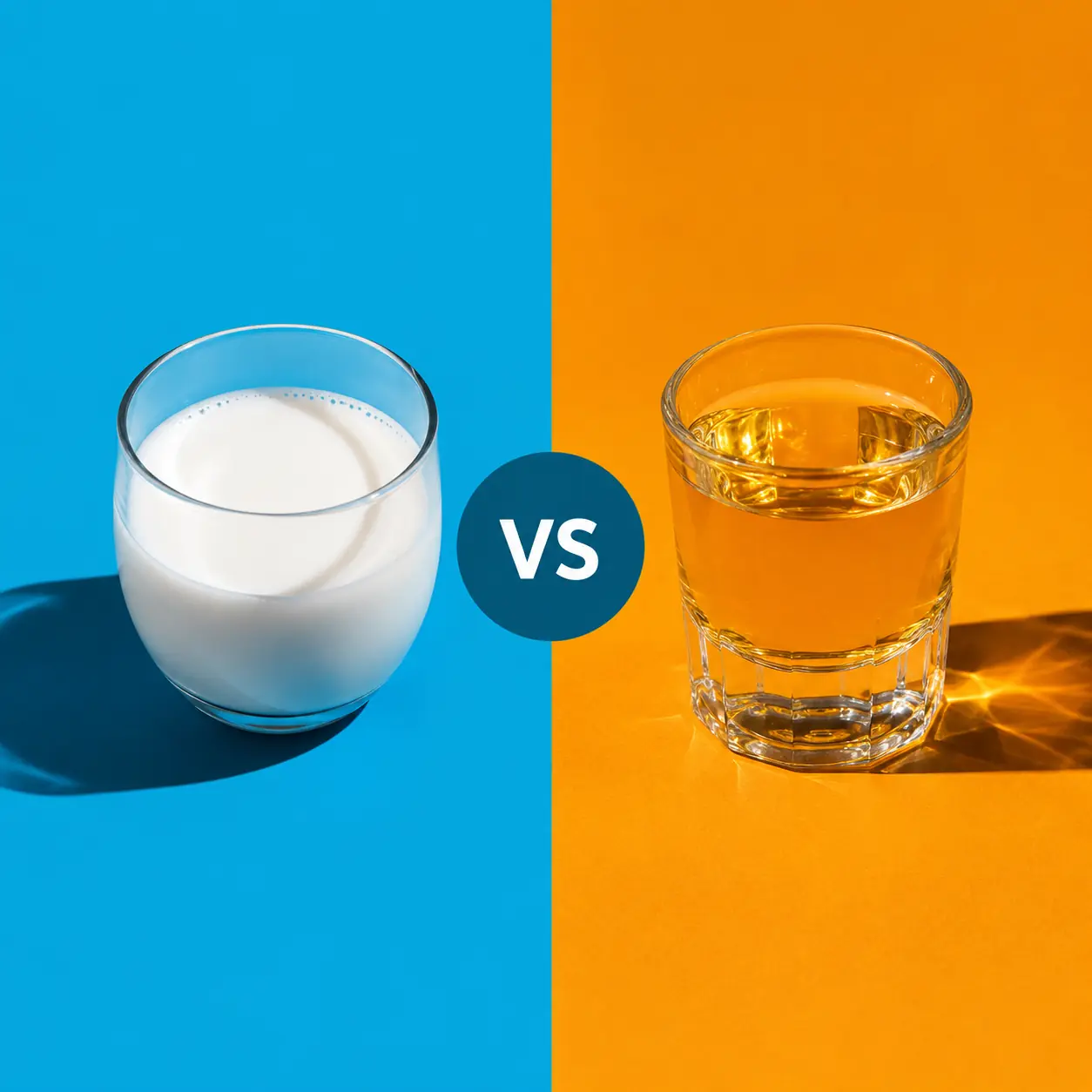
Hydrating foods, water, and beverages like milk all count toward your daily fluid intake.4 If you choose milk over water, keep in mind that it contains calories and natural sugars.5
“If you want to limit caloric intake, even a glass of skim milk, which is the lowest one on the market, is 90 calories per cup,” Gustashaw said.
Milk can be part of a healthy diet. U.S. nutrition guidelines recommend that most adults consume three servings of dairy daily, which provides nutrients such as calcium, vitamin D, and protein.6
How to Maintain Hydration All Day
Milk and water both provide hydration. Regardless of the beverage you choose, make sure to practice proper hydration strategies.
“If we’re trying to prepare for the summer heat or protect our organs, fluid turnover is sometimes more important than an instant in time when I am hydrated. We should be consuming beverages and having water-based things throughout the day, rather than focusing on one portion of the day,” said Brendon P. McDermott, PhD, ATC, FACSM, a professor and director of the Heat & Hydration Optimization (H2O) Lab at the University of Arkansas.
In other words, it is not recommended to chug all of your daily fluids first thing in the morning to avoid dehydration. You should go through a cycle of drinking fluids and urinating throughout the day, he said.
In addition to sipping fluids throughout the day, check in on how you feel. Headache, extreme thirst, dry skin or mouth, and dark urine can indicate dehydration.7
“That’s an indication of how well you have been hydrating the last couple of hours, because urine is a bit delayed. But, if urine is dark, you could afford to have a drink, and if your urine is light or clear, you probably don’t need a drink right now,” he added.