Many people have heard of strokes, but fewer are familiar with "mini strokes." Despite the name, a mini stroke should never be considered minor. In medical terms, a mini stroke is known as a Transient Ischemic Attack (TIA). It occurs when blood flow to part of the brain is temporarily blocked, causing stroke-like symptoms that often disappear within minutes or hours.
Because the symptoms frequently resolve quickly, many people ignore them or assume they are harmless. However, a mini stroke is often a serious warning sign that a major stroke could occur in the future.
Recognizing the symptoms early and seeking immediate medical attention may help prevent life-threatening complications.
What Is a Mini Stroke?
A mini stroke occurs when a temporary blockage interrupts blood flow to part of the brain.
Unlike a major stroke:
-
Symptoms usually last only a few minutes to a few hours.
-
Permanent brain damage may not occur.
-
Symptoms often disappear completely.
However, this does not mean the event is harmless.
Health experts consider a TIA a medical emergency because it significantly increases the risk of a future stroke.
Some studies suggest that the risk of a major stroke is highest within the days and weeks following a mini stroke.
Why Mini Strokes Are Often Missed
Many people fail to recognize a mini stroke because:
-
Symptoms disappear quickly.
-
They may seem mild.
-
Individuals feel normal afterward.
-
Symptoms can be mistaken for fatigue, dizziness, or stress.
Unfortunately, ignoring a mini stroke can delay important treatment and increase future risk.
1. Sudden Weakness on One Side of the Body
One of the most common warning signs is sudden weakness affecting:
-
The face
-
An arm
-
A leg
The weakness usually occurs on only one side of the body.
You may notice:
-
Difficulty lifting one arm
-
Trouble gripping objects
-
Feeling unusually weak on one side
Even if the weakness lasts only a few minutes, it should never be ignored.
2. Facial Drooping
A mini stroke can affect the muscles controlling facial movement.
Possible signs include:
-
One side of the face drooping
-
Uneven smile
-
Difficulty controlling facial expressions
Family members often notice this symptom before the affected individual does.
3. Difficulty Speaking
Speech problems are among the most important warning signs.
You may experience:
-
Slurred speech
-
Trouble finding words
-
Difficulty understanding language
-
Confusion during conversation
Even brief episodes can indicate reduced blood flow to parts of the brain responsible for communication.
4. Sudden Vision Changes
Changes in vision can occur when blood flow to areas involved in visual processing becomes disrupted.
Symptoms may include:
-
Blurred vision
-
Double vision
-
Partial vision loss
-
Temporary blindness in one eye
Vision changes that appear suddenly always warrant medical evaluation.
5. Dizziness or Loss of Balance
A mini stroke can affect the brain's ability to coordinate movement and balance.
Warning signs include:
-
Sudden dizziness
-
Difficulty walking
-
Loss of coordination
-
Unexplained falls
-
Feeling unsteady
These symptoms may be especially concerning when they occur suddenly without an obvious cause.
6. Numbness or Tingling
Temporary numbness is another common symptom.
Affected areas may include:
-
Face
-
Arm
-
Hand
-
Leg
The sensation often occurs on one side of the body.
Many people describe it as a sudden "pins and needles" feeling or complete loss of sensation.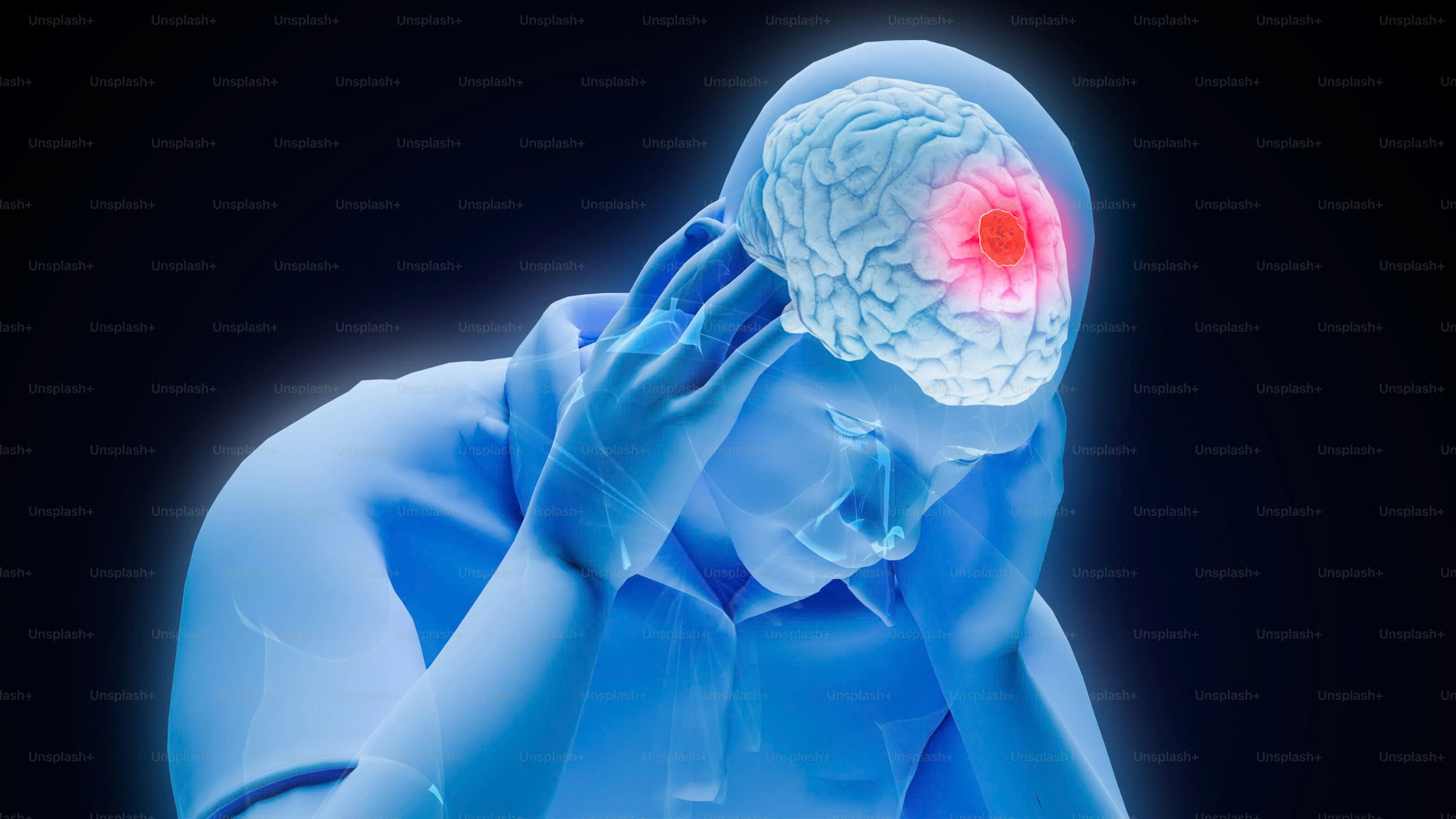
7. Severe Sudden Headache
Although headaches are more commonly associated with certain types of strokes, a sudden and unusual headache should never be ignored.
Warning signs include:
-
Sudden onset
-
Extreme intensity
-
Different from typical headaches
-
Accompanied by neurological symptoms
A severe headache combined with other symptoms requires immediate medical attention.
8. Confusion or Memory Problems
Temporary disruption of brain function can affect thinking and memory.
Some individuals experience:
-
Sudden confusion
-
Difficulty concentrating
-
Trouble understanding others
-
Short-term memory issues
Friends and family may notice unusual behavior before the individual recognizes it themselves.
9. Temporary Loss of Coordination
Some people experience sudden problems performing routine activities.
Examples include:
-
Difficulty writing
-
Trouble buttoning clothing
-
Problems handling objects
-
Loss of fine motor skills
These symptoms may come and go quickly but can still signal a serious problem.
The FAST Warning Signs
Health organizations often recommend remembering the acronym FAST:
F – Face Drooping
Ask the person to smile.
A – Arm Weakness
Ask them to raise both arms.
S – Speech Difficulty
Listen for slurred or unusual speech.
T – Time to Call Emergency Services
Immediate medical attention is critical.
Even if symptoms disappear, medical evaluation is still necessary.
Risk Factors for Mini Stroke
Several factors increase the risk of TIA and stroke.
These include:
-
High blood pressure
-
Diabetes
-
Smoking
-
High cholesterol
-
Heart disease
-
Obesity
-
Physical inactivity
-
Excessive alcohol use
-
Family history of stroke
-
Advanced age
The more risk factors a person has, the greater the importance of regular medical monitoring.
What Happens After a Mini Stroke?
Many people are surprised to learn that feeling better does not mean the danger has passed.
After a TIA, doctors may perform:
-
Brain imaging
-
Blood tests
-
Heart evaluations
-
Carotid artery examinations
-
Blood pressure assessments
Treatment may include:
-
Lifestyle changes
-
Blood pressure management
-
Cholesterol control
-
Blood-thinning medications
-
Diabetes management
The goal is to reduce the risk of a future stroke.
How to Lower Your Stroke Risk
Although not all strokes can be prevented, several healthy habits may help reduce risk.
Control Blood Pressure
High blood pressure remains one of the strongest stroke risk factors.
Stay Physically Active
Regular exercise supports:
-
Circulation
-
Heart health
-
Blood pressure control
Eat a Heart-Healthy Diet
Focus on:
-
Fruits
-
Vegetables
-
Whole grains
-
Lean proteins
-
Healthy fats
Avoid Smoking
Smoking damages blood vessels and significantly increases stroke risk.
Manage Chronic Conditions
Proper management of diabetes, heart disease, and cholesterol levels can help protect brain health.
When Should You Seek Emergency Help?
Call emergency services immediately if you experience:
-
Facial drooping
-
Arm weakness
-
Speech difficulties
-
Sudden vision changes
-
Severe dizziness
-
Sudden confusion
-
Unexplained numbness
Do not wait to see if symptoms improve.
A mini stroke can be an important warning that a larger stroke may follow.
Final Thoughts
Mini strokes often go unnoticed because their symptoms may disappear quickly. However, they should never be ignored. A Transient Ischemic Attack is frequently the body's way of warning that blood flow to the brain has been compromised.
Recognizing these nine symptoms - weakness, facial drooping, speech difficulties, vision changes, dizziness, numbness, severe headaches, confusion, and coordination problems can help individuals seek timely medical care.
When it comes to stroke prevention, acting quickly can save brain function, preserve quality of life, and potentially save lives. If you or someone you know experiences any of these warning signs, seek immediate medical attention - even if the symptoms seem to disappear.