Moringa has become increasingly popular in the world of nutrition and wellness. Often called the “miracle tree” or “drumstick tree,” Moringa oleifera has been used as a food and traditional medicinal plant for generations, particularly in parts of South Asia and Africa.
Today, moringa leaves are commonly sold as fresh greens, dried leaves, powders, teas, capsules, and other supplements. Supporters often claim that moringa can help with blood sugar, cholesterol, inflammation, digestion, energy, immunity, and even weight management.
But how much of this is actually supported by scientific evidence?
The answer is more nuanced than many social media posts suggest. Moringa is undeniably nutrient-rich, particularly when its leaves are consumed as a food. However, many of the stronger health claims come from laboratory and animal studies rather than large, long-term clinical trials in humans.
So, what makes moringa interesting, what potential benefits are being studied, and what should you know before adding it to your diet?
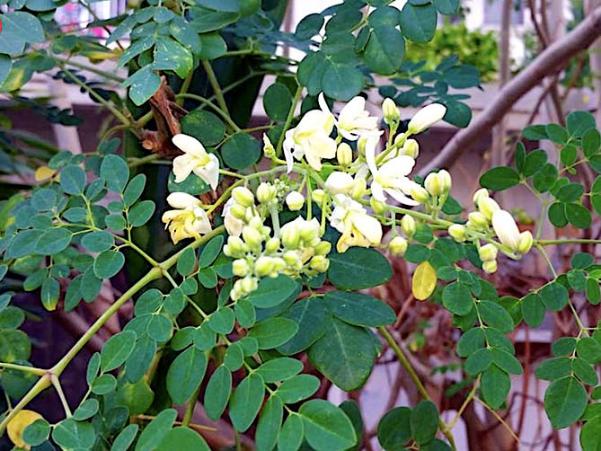
What Is Moringa?
Moringa (Moringa oleifera) is a fast-growing tree native to the Indian subcontinent but now cultivated in many tropical and subtropical regions.
Almost every part of the plant has been used traditionally, including:
-
Leaves
-
Young pods
-
Seeds
-
Flowers
-
Bark
-
Roots
For nutrition, however, the leaves are the part most commonly consumed.
Fresh moringa leaves can be cooked similarly to other leafy greens. Dried leaves are often ground into a green powder that can be added to smoothies, soups, sauces, yogurt, or other foods.
The seeds can also be consumed or processed for oil, although they are nutritionally and chemically different from the leaves.
One important distinction is that moringa as a food is not the same thing as concentrated moringa supplements. The amount of plant compounds consumed from a serving of cooked leaves may be very different from the amount delivered by an extract or capsule.
That difference matters when evaluating research.
Moringa Is Packed With Nutrients
One of the strongest reasons to consider moringa is its nutritional profile.
Moringa leaves contain a combination of vitamins, minerals, protein, fiber, and plant compounds. Their exact nutritional content varies depending on growing conditions, maturity, processing, and whether the leaves are fresh or dried.
1. Vitamin A Precursors
Moringa leaves contain carotenoids, including beta-carotene.
The body can convert beta-carotene into vitamin A, an essential nutrient involved in:
-
Normal vision
-
Immune function
-
Skin health
-
Cell growth
-
Reproductive health
Because carotenoids are concentrated in green leafy vegetables, moringa can contribute to overall dietary intake of these compounds.
2. Vitamin C
Fresh moringa leaves can contain vitamin C, although the amount can decrease during drying, storage, and cooking.
Vitamin C contributes to:
-
Normal immune function
-
Collagen production
-
Wound healing
-
Iron absorption
-
Protection of cells from oxidative damage
However, it would be misleading to suggest that moringa is necessary for obtaining vitamin C. Many common fruits and vegetables provide substantial amounts as well.
3. Calcium
Moringa leaves contain calcium, a mineral important for:
-
Bone health
-
Muscle contraction
-
Nerve signaling
-
Normal cardiovascular function
Dried moringa powder can appear especially high in calcium per gram because removing water concentrates nutrients.
But this does not necessarily mean the body absorbs all of that calcium efficiently. Nutrient bioavailability is just as important as nutrient content.
4. Iron
Moringa leaves also provide iron.
Iron is essential for producing hemoglobin, the protein that carries oxygen throughout the body.
This has led to interest in moringa as a potential nutritional resource in populations where iron deficiency is common.
However, plant-based iron is primarily non-heme iron, which is generally less readily absorbed than heme iron from animal foods.
Eating plant sources of iron alongside vitamin C-rich foods can help improve absorption.
5. Protein
Compared with many leafy vegetables, moringa leaves are notable for their protein content, particularly when dried.
This is one reason moringa has attracted attention as a potential nutritional ingredient in areas where access to nutrient-dense foods can be limited.
Still, moringa powder should not be viewed as a complete replacement for protein-rich foods such as beans, lentils, eggs, dairy products, meat, or other dietary sources.
Moringa Contains Antioxidant Plant Compounds
Moringa contains numerous phytochemicals, including flavonoids, phenolic compounds, carotenoids, and other bioactive substances.
These compounds can act as antioxidants or influence biological pathways involved in oxidative stress and inflammation.
Oxidative stress occurs when the production of reactive molecules exceeds the body's ability to neutralize them.
Excess oxidative stress is associated with many chronic conditions, including cardiovascular disease, metabolic disorders, and aging-related processes.
This is one reason researchers are interested in moringa.
However, there is an important distinction:
A food containing antioxidants does not automatically prevent or cure disease.
The human body has its own complex antioxidant systems, and the effects of isolated plant compounds in laboratory experiments do not necessarily translate directly into meaningful health outcomes in people.
A diet containing a variety of vegetables, fruits, legumes, whole grains, nuts, and seeds is generally a more reliable strategy for increasing overall intake of protective plant compounds.
Could Moringa Help Support Healthy Blood Sugar?
One of the most widely discussed potential benefits of moringa involves blood glucose.
Some laboratory and animal studies suggest that compounds found in moringa may influence glucose metabolism and insulin-related pathways.
A limited number of human studies have also explored whether consuming moringa leaves or preparations may affect blood glucose after meals or fasting glucose levels.
The findings are interesting but not strong enough to conclude that moringa treats diabetes.
Several factors make the evidence difficult to interpret:
-
Studies have often involved relatively small numbers of participants.
-
Different studies use different forms and doses of moringa.
-
Study durations vary.
-
Some research uses concentrated extracts rather than normal food portions.
-
Long-term outcomes remain less clear.
Therefore, moringa should be considered a potentially useful food, not a substitute for diabetes medication, medical monitoring, exercise, or an appropriate eating pattern.
If someone already takes medication that lowers blood sugar, adding concentrated moringa supplements could potentially contribute to excessively low glucose in some circumstances.
That is one reason people with diabetes should discuss supplements with their healthcare professional rather than assuming that “natural” means risk-free.
What About Cholesterol and Heart Health?
Moringa is also being investigated for possible effects on cholesterol and cardiovascular health.
Animal and laboratory research has suggested that certain moringa compounds may influence lipid metabolism and oxidative stress.
Some small human studies have reported changes in cholesterol or other metabolic markers, but the evidence remains limited.
It is important to distinguish between:
Improving a laboratory marker
and
proving that a food prevents heart attacks or strokes.
Those are very different levels of evidence.
At this point, there is not enough high-quality human evidence to say that moringa itself prevents cardiovascular disease.
Nevertheless, using moringa leaves as part of a diet rich in vegetables, legumes, whole grains, nuts, seeds, and other minimally processed foods can fit comfortably into a heart-conscious eating pattern.
The overall diet matters far more than one plant.
Moringa and Inflammation
Inflammation is another major area of scientific interest.
Certain compounds in moringa have demonstrated anti-inflammatory activity in laboratory and animal research.
Researchers have investigated substances such as flavonoids and isothiocyanates for their ability to influence inflammatory signaling pathways.
These findings are scientifically interesting because chronic low-grade inflammation is involved in many health conditions.
But once again, laboratory activity is not the same as a proven clinical effect.
There is currently insufficient evidence to claim that drinking moringa tea or taking moringa powder will treat arthritis, autoimmune disease, or other inflammatory conditions.
Moringa may contain compounds with biological activity, but more human research is needed to understand whether those effects are significant in everyday life.
Could Moringa Support Digestive Health?
Moringa leaves contain fiber, particularly when consumed in less processed forms.
Dietary fiber is important for digestive health because it can:
-
Support regular bowel movements
-
Help increase stool bulk
-
Feed beneficial gut bacteria
-
Contribute to fullness after meals
-
Support healthy blood glucose and cholesterol levels
However, moringa powder is not necessarily a superior source of fiber compared with familiar foods such as beans, lentils, vegetables, fruits, whole grains, and seeds.
If you suddenly consume large amounts of moringa powder, you may experience digestive discomfort, especially if your diet is normally low in fiber.
Starting with a small amount and increasing gradually may be more comfortable.
Moringa and Weight Management
Moringa is sometimes marketed as a natural weight-loss ingredient.
This claim deserves caution.
There is some preliminary research investigating moringa's potential influence on metabolism, appetite, blood sugar, and body weight, particularly in animal models.
But there is not strong evidence that moringa directly causes meaningful fat loss in humans.
No single herb can compensate for consistently eating more calories than the body needs.
If moringa helps someone eat more vegetables, increase dietary variety, or replace a highly processed food with a nutrient-dense option, it may indirectly support a healthier eating pattern.
But that is very different from calling moringa a weight-loss supplement.
Does Moringa “Detox” the Body?
This is one of the claims that deserves the most skepticism.
Moringa is frequently promoted online as a detoxifying plant that supposedly cleanses the liver, kidneys, blood, or digestive system.
The human body already has sophisticated systems for processing and eliminating waste, particularly through the liver, kidneys, gastrointestinal tract, lungs, and skin.
There is no good reason to assume that drinking moringa tea “flushes toxins” from the body in the way detox advertisements often suggest.
Moringa's nutrients and plant compounds can certainly be part of a healthy diet.
But nutritious does not automatically mean detoxifying.
Moringa and Liver Health
Researchers have investigated whether moringa compounds may have protective effects on the liver.
Some animal studies have reported potentially beneficial changes in markers of oxidative stress or liver injury.
However, these results should not be interpreted as proof that moringa can reverse fatty liver disease, repair liver damage, or prevent liver disease in humans.
People with liver conditions should focus on evidence-based approaches, including addressing alcohol intake when relevant, maintaining a healthy weight, managing blood sugar and cholesterol, exercising regularly, and following medical advice.
Moringa can potentially be included as a food, but it should not replace medical treatment.
Moringa Tea vs. Moringa Powder vs. Fresh Leaves
Not all moringa products are equivalent.
Fresh Moringa Leaves
Fresh leaves are essentially a leafy vegetable.
They can be incorporated into meals alongside other vegetables.
Dried Moringa Powder
Drying removes water and concentrates nutrients by weight.
This makes moringa powder convenient, but it also makes it easy to consume larger quantities than you would naturally eat as fresh leaves.
Moringa Tea
Moringa tea is generally made by steeping dried leaves in hot water.
The concentration of nutrients and phytochemicals can differ substantially from consuming the whole leaf because not every compound dissolves into water.
Moringa Extracts and Capsules
Supplements may contain concentrated amounts of particular compounds.
This is where greater caution becomes appropriate.
A supplement can deliver substantially more of a compound than someone would normally obtain from food, and product quality can vary.
Is Moringa Safe for Everyone?
Moringa leaves consumed as food are generally considered a reasonable dietary ingredient for many people.
However, concentrated supplements deserve more caution.
Potential concerns include:
Pregnancy
Pregnant people should be particularly cautious with concentrated moringa products.
Different parts of the plant contain different compounds, and traditional use does not automatically establish safety during pregnancy.
Using moringa as an ordinary food ingredient is different from taking concentrated extracts.
Pregnant individuals should consult a healthcare professional before using moringa supplements.
Blood Sugar Medication
Because moringa may influence glucose metabolism, people taking diabetes medication should avoid assuming that more is better.
Monitoring blood glucose and discussing supplement use with a healthcare professional is prudent.
Blood Pressure Medication
Preliminary research has also investigated possible effects of moringa on blood pressure.
If someone is already taking medication to lower blood pressure, concentrated supplements could potentially complicate management.
Liver or Kidney Conditions
People with significant liver or kidney disease should be especially careful with herbal supplements.
The metabolism and elimination of plant compounds can change when organ function is impaired.
Allergies and Digestive Sensitivity
As with any plant food, allergic reactions are possible.
Some people may also experience nausea, diarrhea, abdominal discomfort, or other digestive symptoms after consuming large amounts.
Moringa Does Not Replace a Balanced Diet
One of the biggest misconceptions about superfoods is the idea that a single ingredient can compensate for an otherwise poor diet.
It cannot.
Adding moringa powder to a smoothie does not cancel out a diet dominated by sugary drinks, highly processed foods, excessive sodium, or insufficient vegetables.
A stronger approach is to think of moringa as one ingredient within a broader dietary pattern.
For example, a nutritious meal might combine:
-
Moringa or other leafy greens
-
Beans or lentils
-
Eggs or another protein source
-
Whole grains
-
Fresh vegetables
-
A source of healthy fats
-
Fruit
This approach provides a much wider range of nutrients than relying heavily on one powdered plant.
How Much Moringa Should You Take?
There is no universally established daily dose of moringa that can be recommended for everyone.
This is partly because research has used different preparations, including fresh leaves, powders, teas, and extracts.
If you are simply adding moringa powder to your diet, it is sensible to follow the product's serving instructions rather than assuming that a larger amount provides greater benefits.
More is not necessarily better.
With concentrated supplements, dosage becomes particularly important because the amount of active compounds can be considerably higher than in ordinary food.
If you take prescription medication or have a chronic health condition, speak with a healthcare professional before using concentrated moringa products regularly.
How to Add Moringa to Your Diet
Moringa doesn't have to be consumed as a supplement.
If you enjoy its flavor, you can incorporate the leaves into everyday meals.
Try:
-
Adding fresh leaves to soups
-
Mixing young leaves into vegetable dishes
-
Stirring moringa powder into smoothies
-
Adding a small amount to yogurt
-
Mixing it into sauces
-
Incorporating it into homemade energy bites
-
Preparing moringa tea
-
Adding powdered leaves to soups or stews
Because moringa powder has a relatively strong green, earthy flavor, starting with a small amount can make it easier to incorporate into meals.
Moringa vs. Other Leafy Greens
Moringa is nutritionally interesting, but it isn't necessarily superior to every other leafy green.
Spinach, kale, collard greens, mustard greens, water spinach, bok choy, and many other vegetables provide important nutrients and beneficial plant compounds.
One advantage of moringa is that it can grow in challenging climates and provide a nutrient-dense food source where some other vegetables may be harder to cultivate.
From a practical nutrition perspective, however, variety is usually more valuable than obsessing over one “superfood.”
Different plants contain different combinations of fiber, vitamins, minerals, and phytochemicals.
What Does the Research Really Tell Us?
The scientific picture of moringa can be summarized in three levels.
What We Know
Moringa leaves are nutrient-rich and contain:
-
Protein
-
Fiber
-
Carotenoids
-
Vitamin C
-
Calcium
-
Iron
-
Various antioxidant plant compounds
These nutritional characteristics are well established.
What Looks Promising
Research suggests moringa may influence:
-
Blood glucose regulation
-
Lipid metabolism
-
Oxidative stress
-
Inflammatory pathways
-
Certain metabolic markers
These findings are scientifically interesting and justify further research.
What Has Not Been Proven
There is currently insufficient evidence to conclude that moringa:
-
Cures diabetes
-
Prevents cancer
-
Causes significant weight loss
-
“Detoxes” the body
-
Reverses liver disease
-
Replaces medication
-
Prevents heart attacks or strokes
-
Dramatically boosts immunity
Claims like these go beyond what current evidence can support.
The “Superfood” Label Can Be Misleading
The word “superfood” sounds scientific, but it isn't a medical diagnosis or a formal nutritional category.
A food can be exceptionally nutritious without being a miracle treatment.
Moringa deserves attention because it is a nutrient-dense plant with a diverse collection of bioactive compounds.
But its real value may be much simpler than some advertisements suggest:
It is a nutritious plant that can contribute to a varied diet.
That is already valuable.
There is no need to turn it into a miracle cure.
Final Takeaway
Moringa is an impressive plant from a nutritional perspective.
Its leaves provide a range of vitamins, minerals, protein, fiber, carotenoids, and other plant compounds. Researchers are also studying moringa for potential effects on blood sugar, cholesterol, inflammation, oxidative stress, and other aspects of metabolic health.
However, the scientific evidence is still developing.
Many promising findings come from laboratory and animal studies, while human research remains relatively limited and often involves small studies or different preparations of the plant. As a result, moringa should not be viewed as a treatment for disease or as a replacement for a balanced diet and appropriate medical care.
For most people, the most sensible way to think about moringa is not as a miracle supplement, but as one nutrient-rich plant that can be part of a diverse, minimally processed diet.
If you enjoy moringa, adding its leaves or a modest amount of leaf powder to meals may be a practical way to increase dietary variety. But when it comes to long-term health, the bigger picture still matters most: plenty of vegetables and fruits, adequate protein and fiber, regular physical activity, sufficient sleep, limited highly processed foods, and appropriate medical care when needed.
Moringa may have potential—but its greatest benefit may simply be that it gives us another nutritious plant to put on the plate.