The health benefits and practical home uses of Japanese honeysuckle
A look at the health benefits and home remedies using Japanese honeysuckle
Health 27/03/2026 12:24
In recent years, moringa has gained global attention as a “superfood,” but in many parts of the world, it has long been a familiar and affordable staple. Known scientifically as Moringa oleifera, moringa is often called the “miracle tree” because nearly every part of it - leaves, pods, seeds, and even roots can be used for nutritional or practical purposes.
What makes moringa especially remarkable is its ability to deliver a dense concentration of nutrients at a very low cost, making it accessible to a wide range of people.
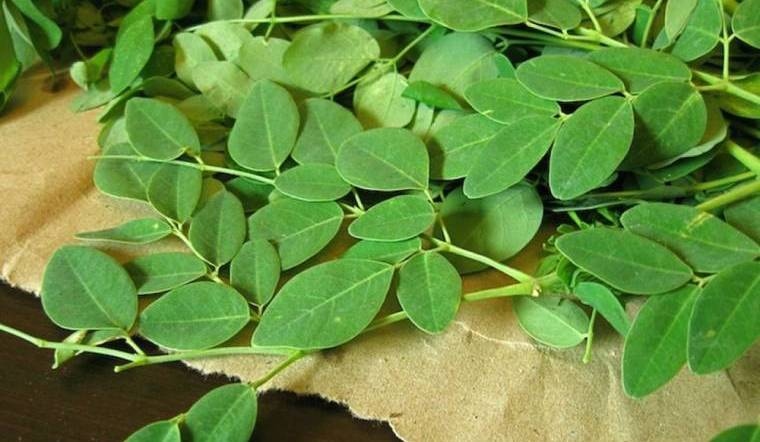
Moringa leaves are packed with essential nutrients that support overall health. They contain:
Compared to many common vegetables, moringa stands out for its nutrient density. This makes it particularly valuable in regions where access to diverse foods may be limited.
One of moringa’s most notable benefits is its calcium content. Calcium is essential for maintaining strong bones and teeth, as well as supporting muscle function and nerve signaling.
Regular consumption of moringa may:
For individuals who do not consume enough dairy products, moringa can serve as a valuable plant-based source of calcium.
Beyond calcium, moringa provides a wide range of nutrients that contribute to general well-being.
The vitamins and antioxidants in moringa help protect the body from oxidative stress and support immune function.
Its rich nutrient profile can help reduce fatigue and support sustained energy throughout the day.
Antioxidants such as vitamin E contribute to healthier skin by reducing damage caused by free radicals.
Moringa leaves contain all essential amino acids, making them a rare and valuable plant-based protein source. This is especially beneficial for individuals following vegetarian or plant-based diets.
Protein plays a key role in:
Including moringa in meals can help support these functions naturally.
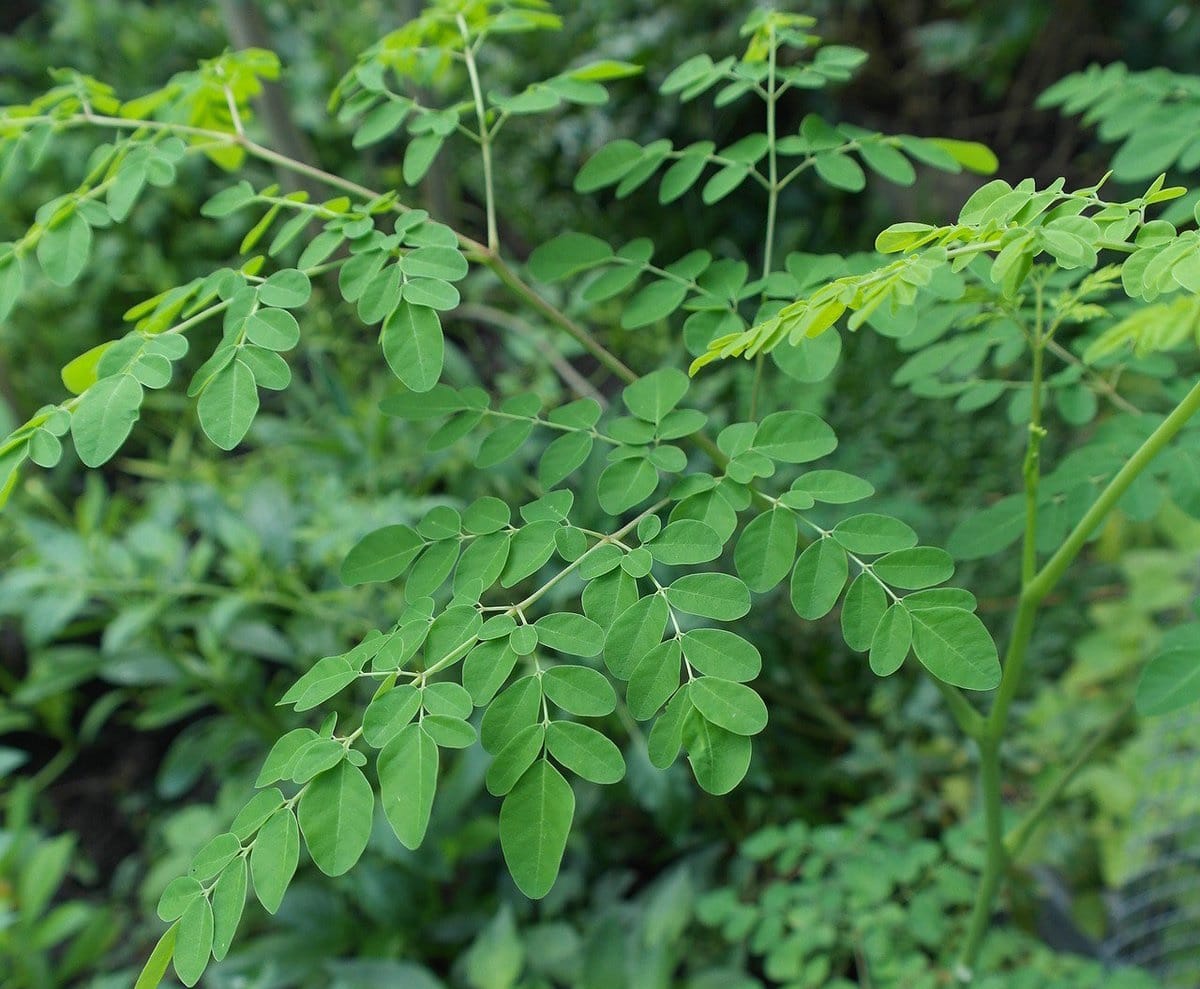
One of the reasons moringa is so affordable is that it grows easily in a variety of climates, especially in tropical and subtropical regions. The tree is drought-resistant and requires minimal care, making it ideal for home gardens.
This accessibility means:
Moringa is incredibly versatile and can be incorporated into daily meals in several ways:
Its mild flavor makes it easy to combine with a variety of ingredients.
While moringa is highly nutritious, it should still be consumed in moderation:
As with any food, balance is key.
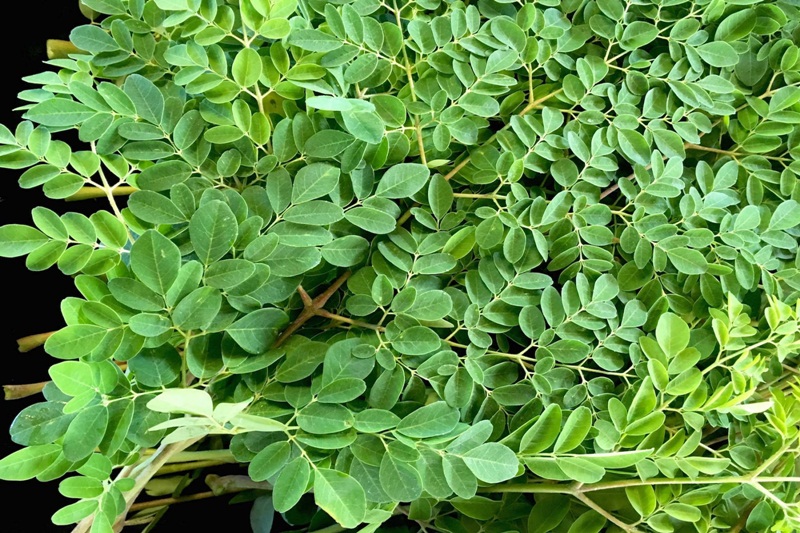
Moringa is a powerful example of how simple, affordable foods can deliver exceptional nutritional value. Rich in calcium, vitamins, antioxidants, and plant-based protein, it supports bone health, immunity, and overall well-being.
Its accessibility, versatility, and nutrient density make it an excellent addition to everyday diets - especially for those seeking cost-effective ways to improve their nutrition. Sometimes, the most powerful health solutions are not expensive or complicated, but quietly growing in nature, waiting to be used.
A look at the health benefits and home remedies using Japanese honeysuckle

5 Warning Signs Your Colon Might Be in Danger
Turmeric Water: Hype or Health Miracle? Here’s What Science Says
10 Powerful Health Benefits of Avocados You Can’t Afford to Ignore

Understanding fat.ty liver disease: its causes, warning signs, and how to manage it
4 Groups of People Who Should Never Eat Garlic

Doctors advise that feeling your heartbeat at rest could be linked to an underlying health issue
The Effects of Coconut Water on Your Kidney Health

We often assume that sleep only “belongs” to the night. Yet, the truth is that humans are naturally designed to rest in short intervals throughout the day—just like many animals that nap in small bursts to stay alert and energized.
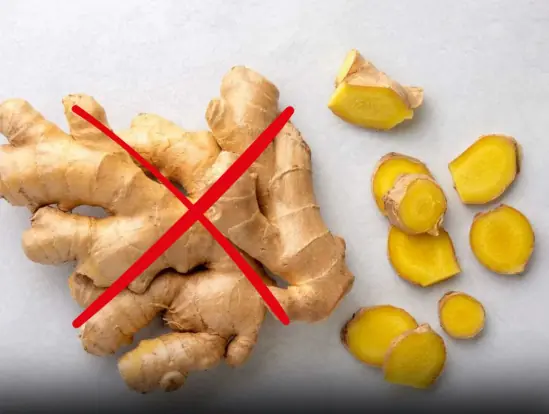
Ginger is often celebrated for its powerful anti-inflammatory and digestive benefits. It’s a popular home remedy for nausea, colds, and muscle pain — and for most people, it’s perfectly safe.

The One Morning Habit Sleep Doctors Say You Should NEVER Do
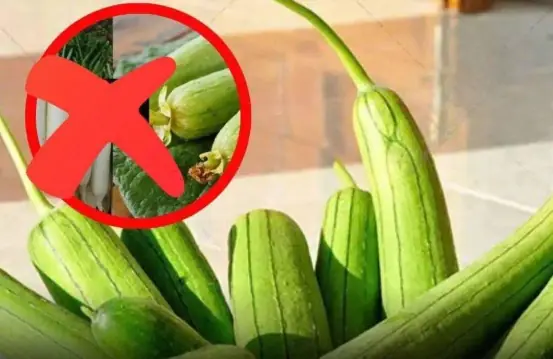
Luffa, also known as sponge gourd, is a highly nutritious vegetable that has long been valued in traditional diets for its wide range of health benefits.
Warning Signs Your Body Might Be Developing Cancer
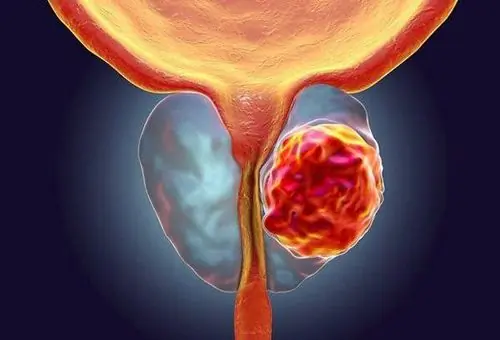
Bladder Cancer: 5 Symptoms You Need to Watch For

Physicians caution that daily habits may contribute to kidney dam.age earlier in life

How Many Eggs a Day Is Actually Healthy?

A simple cough could mean more than you think

These 4 drinks may help dissolve kidney stones naturally

You drink water every day, but mistake #2 is silently damaging your liver and kidneys.

Why does eating trigger the urge to use the bathroom in some people?
A look at the health benefits and home remedies using Japanese honeysuckle
Eating Walnuts Can Do This to Your Body…See How
5 Warning Signs Your Colon Might Be in Danger
Turmeric Water: Hype or Health Miracle? Here’s What Science Says
10 Powerful Health Benefits of Avocados You Can’t Afford to Ignore
Understanding fat.ty liver disease: its causes, warning signs, and how to manage it
4 Groups of People Who Should Never Eat Garlic
Doctors advise that feeling your heartbeat at rest could be linked to an underlying health issue
The Effects of Coconut Water on Your Kidney Health
What Raw Cabbage Could Be Doing to Your Body
We often assume that sleep only “belongs” to the night. Yet, the truth is that humans are naturally designed to rest in short intervals throughout the day—just like many animals that nap in small bursts to stay alert and energized.
Ginger is often celebrated for its powerful anti-inflammatory and digestive benefits. It’s a popular home remedy for nausea, colds, and muscle pain — and for most people, it’s perfectly safe.
The One Morning Habit Sleep Doctors Say You Should NEVER Do
Luffa, also known as sponge gourd, is a highly nutritious vegetable that has long been valued in traditional diets for its wide range of health benefits.
Warning Signs Your Body Might Be Developing Cancer
Bladder Cancer: 5 Symptoms You Need to Watch For
Physicians caution that daily habits may contribute to kidney dam.age earlier in life
Gallbladder Cancer: 6 Subtle Symptoms to Watch For