Mosquitoes may be tiny, but a few of them can quickly turn a comfortable evening into an annoying battle of buzzing, itching, and repeated swatting.
If mosquitoes seem to be everywhere around your home, you don't necessarily need to rely on strong chemical sprays every day. There are several practical ways to make your home and yard less attractive to mosquitoes, and many of them are surprisingly simple.
The most effective approach isn't usually one magical plant, essential oil, or homemade spray. Instead, mosquito control works best when you combine several strategies—especially eliminating standing water, reducing places where mosquitoes rest, using physical barriers, and protecting yourself when you're outdoors.
Here's how to get started.
Why Are Mosquitoes Attracted to Your Home?
Before trying to get rid of mosquitoes, it helps to understand why they're there in the first place.
Mosquitoes are attracted to several environmental and biological signals, including:
-
Carbon dioxide from breathing
-
Body heat
-
Human odors
-
Sweat and certain skin chemicals
-
Standing water for breeding
-
Shaded, humid areas for resting
Different mosquito species behave differently, but many are particularly active around areas where water accumulates.
This means that simply killing the mosquitoes you see may not solve the problem.
If mosquitoes are continually breeding nearby, new adults will keep appearing.
1. Eliminate Standing Water
If you do only one thing to reduce mosquitoes around your property, start here.
Mosquitoes need water to reproduce, and some species can lay eggs in surprisingly small amounts of stagnant water.
Check your property for:
-
Buckets
-
Flowerpot saucers
-
Birdbaths
-
Old tires
-
Children's toys
-
Unused containers
-
Clogged gutters
-
Wheelbarrows
-
Trash cans
-
Plant trays
-
Outdoor pet bowls
-
Tarps that collect rainwater
Empty, remove, or regularly clean these items.
Even a small container that holds rainwater can become a breeding site.
2. Don't Forget Your Gutters
Gutters are easy to overlook.
When leaves, dirt, and debris block drainage, rainwater can remain trapped for days.
That creates exactly the kind of environment mosquitoes may use for breeding.
Inspect gutters regularly and remove accumulated debris.
Also check downspouts to make sure water is draining away from the house rather than pooling near the foundation.
3. Empty Water Containers Regularly
Some water sources are difficult to eliminate completely.
For example, you may want to keep a birdbath or outdoor pet bowl.
In these situations, regular maintenance matters.
Empty and clean containers frequently rather than allowing water to remain stagnant for long periods.
For birdbaths, follow appropriate cleaning practices and local recommendations to protect birds and other wildlife.
For pet bowls, provide fresh water regularly and keep the area clean.
4. Keep Your Yard From Becoming a Mosquito Shelter
Adult mosquitoes often rest in cool, shaded, humid vegetation during the day.
A dense, overgrown yard can therefore provide plenty of hiding places.
Regularly maintain:
-
Grass
-
Shrubs
-
Bushes
-
Weeds
-
Dense vegetation near doors and windows
You don't need to turn your yard into a completely bare landscape.
The goal is simply to reduce unnecessary dense vegetation immediately around areas where people spend time.
5. Use Screens on Windows and Doors
Physical barriers are one of the simplest mosquito-control methods.
Make sure window and door screens are:
-
Properly fitted
-
Free of holes
-
Tightly attached
-
Not damaged around the edges
A tiny hole can be enough for mosquitoes to enter.
Check screens periodically, particularly before mosquito season begins.
Repairing a damaged screen can be more effective than repeatedly spraying insect repellent inside the house.
6. Use a Door Sweep
If mosquitoes are entering through the bottom of an exterior door, a door sweep can help close the gap.
Inspect the bottom of doors leading to:
-
The backyard
-
Garage
-
Patio
-
Balcony
-
Garden
A proper seal can also help with dust, insects, and drafts.
7. Improve Outdoor Drainage
Look around your property after rainfall.
Do you notice water collecting in the same places?
That may indicate a drainage problem.
Potential areas include:
-
Low spots in the yard
-
Poorly draining planters
-
Puddles near downspouts
-
Uneven patios
-
Ditches
-
Containers
Correcting drainage problems can reduce the amount of standing water available for mosquito breeding.
8. Be Careful With Outdoor Decorations
Decorative objects can unintentionally become mosquito nurseries.
Examples include:
-
Plant pots
-
Decorative bowls
-
Fountains
-
Statues with hollow sections
-
Outdoor toys
-
Containers
-
Unused watering cans
After rain, inspect them for trapped water.
If an item doesn't need to hold water, store it upside down or somewhere protected from rainfall.
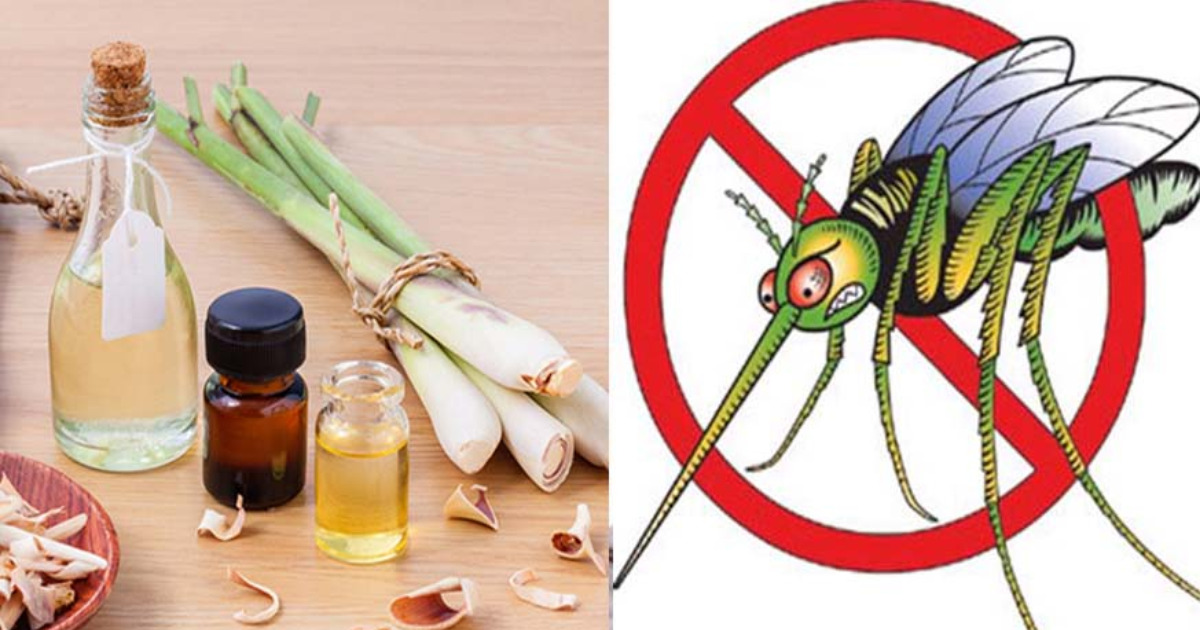
9. What About Mosquito-Repellent Plants?
This is where online advice often becomes exaggerated.
Plants such as:
-
Citronella-scented plants
-
Lavender
-
Basil
-
Mint
-
Rosemary
-
Marigolds
-
Lemongrass
are often promoted as natural mosquito repellents.
Some plants contain compounds that mosquitoes may dislike.
However, simply planting a few pots around your patio generally won't create a mosquito-proof barrier.
The repellent effect depends on the plant species, concentration of active compounds, and how the plant is used.
A dense garden of lavender doesn't automatically mean mosquitoes won't enter your yard.
Use these plants because you enjoy them, while relying on more reliable mosquito-control measures such as removing standing water and using screens.

10. Be Careful With Essential Oils
Essential oils such as citronella, eucalyptus, lavender, and certain other plant oils have been studied for mosquito-repellent properties.
Some formulations can provide temporary protection.
But there is a major difference between:
An essential oil showing repellent activity in a controlled test
and
Putting a few drops of oil around your yard and expecting mosquitoes to disappear.
Essential oils can also irritate skin and may be harmful to pets if used improperly.
If you use a plant-based repellent, follow the product's directions carefully.
11. Use EPA-Registered Repellents When You Need Reliable Protection
"Natural" doesn't always mean more effective or safer.
If you're spending time outdoors in an area with significant mosquito activity, proven repellents can provide more reliable protection.
Common active ingredients include:
-
DEET
-
Picaridin
-
IR3535
-
Oil of lemon eucalyptus (OLE) or PMD in appropriate products
Use repellents according to their labels.
For young children, follow age-specific guidance carefully.
And remember:
Lemon eucalyptus essential oil is not the same thing as an EPA-registered oil of lemon eucalyptus/PMD repellent product.
12. Wear Clothing That Reduces Exposed Skin
Clothing can provide a simple physical barrier.
When mosquitoes are especially active, consider:
-
Long sleeves
-
Long pants
-
Socks
-
Closed shoes
Loose-fitting clothing can be more comfortable in hot weather.
For additional protection, some outdoor clothing is manufactured with insect-repellent treatments.
13. Consider the Time of Day
Mosquito activity varies by species.
Many mosquitoes are particularly active around dawn and dusk, while some species that transmit important diseases can also bite during the daytime.
Don't assume that mosquitoes only bite after sunset.
If you're outdoors, pay attention to local mosquito activity and use appropriate protection whenever mosquitoes are present.
14. Use Fans Around Outdoor Seating Areas
Here's a surprisingly simple strategy.
Mosquitoes are relatively weak fliers compared with humans, and strong air movement can make it harder for them to land.
A fan placed near an outdoor seating area can therefore help reduce mosquito activity around people.
It isn't a complete solution, but it can be a useful addition to other methods.
This is particularly practical for:
-
Patios
-
Porches
-
Outdoor dining areas
-
Balconies
15. Keep Outdoor Areas Clean
Mosquito control isn't just about water.
Clean up objects that can collect moisture or create sheltered spaces.
Remove:
-
Unused containers
-
Yard debris
-
Old tires
-
Broken equipment
-
Piles of leaves
-
Excessive clutter
A tidy yard is easier to inspect for breeding sites.
16. What About Coffee Grounds?
You may have seen advice suggesting that coffee grounds placed around the yard can eliminate mosquitoes.
The evidence for using ordinary coffee grounds as a reliable mosquito-control method is limited.
Don't depend on this trick instead of removing standing water.
If you use coffee grounds in your garden, treat them as a composting or soil-management material—not a guaranteed mosquito repellent.
17. What About Vinegar?
Vinegar is useful for many household cleaning tasks, but it shouldn't be considered a proven mosquito-control solution.
Spraying vinegar around your yard isn't a reliable way to prevent mosquitoes from breeding.
If you're dealing with mosquitoes, focus on:
Removing standing water
Using screens
Improving drainage
Reducing sheltered resting areas
Using an appropriate repellent
These strategies have a stronger practical foundation.
18. What About Garlic?
Garlic is another popular "natural mosquito repellent."
Eating garlic doesn't reliably make a person mosquito-proof.
Garlic-based sprays may have some insect-repellent properties under certain circumstances, but homemade mixtures aren't necessarily long-lasting or predictable.
If you use a commercial outdoor product, follow its instructions and make sure it's approved for the intended use.
19. Don't Rely on Bug Zappers Alone
Bug zappers can kill some flying insects, but they aren't necessarily the best way to control mosquitoes.
Some studies have found that mosquito attraction to these devices is limited compared with their attraction to carbon dioxide and human odors.
A bug zapper may kill insects without significantly reducing the mosquitoes that are actually biting you.
Think of it as one possible tool—not the main solution.
20. Reduce Mosquitoes by Targeting Their Breeding Cycle
This is the biggest principle to remember.
Adult mosquitoes are the visible problem.
Standing water is often where the next generation begins.
Mosquito eggs can develop into larvae and eventually adult mosquitoes under suitable conditions.
By eliminating breeding sites, you're not just killing the mosquitoes currently flying around.
You're reducing the number that can emerge later.
That's why environmental management can be so powerful.
21. Check Your Neighbors' Properties
Sometimes the source isn't entirely within your property.
Mosquitoes can fly from nearby areas.
If your yard is well maintained but mosquitoes remain abundant, nearby breeding sites may include:
-
Abandoned containers
-
Poorly maintained pools
-
Blocked drains
-
Construction sites
-
Overgrown properties
You can't control someone else's property directly, but you can report persistent public-health concerns to the appropriate local authority when necessary.
22. Maintain Swimming Pools Properly
A properly maintained swimming pool isn't necessarily a major mosquito breeding site.
The problem occurs when water becomes stagnant and maintenance is neglected.
Keep pools:
-
Properly filtered
-
Circulated
-
Chlorinated according to recommendations
-
Covered when appropriate
Also inspect pool covers because rainwater can accumulate on top.
23. Don't Forget Children's Toys
Outdoor toys can easily collect rainwater.
Check:
-
Plastic trucks
-
Buckets
-
Balls
-
Playhouse components
-
Sand toys
-
Inflatable equipment
Store them upside down or indoors when possible.
A few minutes of inspection after rainfall can make a surprising difference.
24. Keep Pet Areas Dry and Clean
Pet bowls and outdoor animal areas can attract insects.
Change water regularly.
Clean food spills.
Avoid leaving containers of stagnant water around kennels or outdoor pet areas.
If your pets spend a lot of time outdoors, ask your veterinarian about appropriate parasite and insect protection.
25. Consider Professional Mosquito Control When Necessary
Sometimes DIY measures aren't enough.
Professional help may be appropriate when:
-
Mosquito numbers are extremely high
-
Your property has persistent standing water
-
There's a nearby breeding source you can't eliminate
-
Local mosquito-borne disease activity is high
-
You're unable to manage the problem yourself
Professionals can identify breeding areas and recommend appropriate control methods.
Mosquito-Borne Diseases Matter
Mosquitoes aren't just annoying.
Some species can transmit diseases, depending on where you live.
These can include:
-
Dengue
-
West Nile virus
-
Malaria
-
Chikungunya
-
Zika
-
Yellow fever
The specific diseases present vary greatly by region.
If you live in or travel to an area where mosquito-borne illnesses occur, mosquito prevention becomes an important part of protecting your health.
When Should You Be Especially Careful?
Extra precautions may be appropriate if:
-
Local mosquito-borne disease activity is high
-
You're traveling to an affected region
-
You have a weakened immune system
-
You're pregnant
-
You have young children
-
You spend substantial time outdoors
Follow local public-health guidance for your area.
What to Do After a Mosquito Bite
Most mosquito bites cause a temporary itchy bump.
To reduce discomfort:
-
Avoid scratching
-
Wash the area gently
-
Apply a cold compress
-
Consider an appropriate anti-itch treatment if needed
Scratching can damage the skin and increase the risk of secondary infection.
Seek medical advice if the reaction is unusually severe or if symptoms suggest an infection or mosquito-borne illness.
When a Mosquito Bite Needs Medical Attention
Most bites aren't dangerous.
But seek medical care if you develop symptoms such as:
-
High fever
-
Severe headache
-
Confusion
-
Difficulty breathing
-
Significant weakness
-
Persistent vomiting
-
Severe muscle or joint pain
-
Unusual rash
-
Signs of infection around the bite
The significance of these symptoms depends on where you live and what diseases mosquitoes transmit in that region.
A Simple Mosquito-Control Routine
You don't need to spend hours every day fighting mosquitoes.
Try this routine:
Once a Week
Walk around your property.
Look for standing water.
Empty containers.
Check gutters.
Inspect plant saucers.
After Heavy Rain
Do another inspection.
Rain can create new breeding sites within hours.
Before Going Outdoors
Use appropriate repellent.
Wear protective clothing when necessary.
While Sitting Outside
Use a fan when practical.
Keep doors and windows screened.
At Home
Repair holes in screens.
Keep exterior doors closed.
The Most Effective Natural Strategy
If you want to reduce mosquitoes without relying heavily on chemicals, think in terms of prevention rather than extermination.
Instead of asking:
"What can I spray to kill mosquitoes?"
ask:
"Where are mosquitoes breeding?"
Then:
Remove the water.
Next:
Where are they entering?
Then:
Repair screens and seal gaps.
Finally:
Where are they resting?
Then:
Reduce excessive vegetation and sheltered areas around living spaces.
This approach addresses the mosquito's environment rather than simply reacting to the adults you see.
A Quick Checklist
Use this checklist around your home:
☐ Empty standing water
☐ Clean gutters
☐ Check plant saucers
☐ Turn containers upside down
☐ Maintain pools
☐ Remove old tires
☐ Repair window screens
☐ Install door sweeps
☐ Reduce dense vegetation near entrances
☐ Keep outdoor areas uncluttered
☐ Use fans around patios
☐ Wear protective clothing when appropriate
☐ Use a proven insect repellent when needed
☐ Inspect your property after rainfall
The Bottom Line
If mosquitoes are becoming a problem around your home, you don't have to depend on one "miracle" natural remedy.
The most useful strategy is to combine several simple measures.
Remove standing water.
Keep gutters clear.
Repair screens.
Reduce unnecessary outdoor shelter and moisture.
Maintain your yard.
Use fans around outdoor seating areas.
Protect exposed skin with clothing and appropriate repellents.
Plant-based products and essential oils may have some repellent properties, but they shouldn't be treated as guaranteed mosquito-control solutions.
Most importantly, remember that mosquito prevention starts with their environment.
If you remove the places where mosquitoes breed and make it harder for them to enter your home, you'll often have fewer mosquitoes to deal with in the first place.
Final Thoughts
A mosquito problem can feel like something you simply have to live with, especially during warm and humid weather.
But small changes around your home can make a meaningful difference.
Walk around your yard after rain. Look underneath containers. Check gutters. Empty plant saucers. Repair torn screens. Keep doors closed when possible.
These tasks may seem almost too simple - but they're exactly the kinds of environmental changes that can reduce opportunities for mosquitoes to reproduce and enter your living spaces.
And when you combine those measures with proven personal protection, you don't have to rely on questionable internet hacks.
The goal isn't to make your home completely mosquito-free. It's to make your property less attractive to mosquitoes and reduce your exposure as much as practical.