Cabbage is one of the most widely consumed vegetables in the world. Affordable, versatile, and packed with nutrients, it appears in countless dishes ranging from salads and soups to stir-fries and fermented foods. Nutrition experts often praise cabbage for its high fiber content, low calorie count, and impressive supply of vitamins and antioxidants.
For most people, cabbage is a healthy addition to a balanced diet. However, like many foods, it may not be ideal for everyone in every situation. Certain individuals may experience unwanted effects from eating large amounts of cabbage, particularly if they have specific medical conditions or digestive sensitivities.
This does not mean these individuals must completely avoid cabbage. Rather, they may benefit from consuming it in moderation, preparing it differently, or discussing dietary choices with a healthcare professional.
Here are four groups of people who may need to be especially mindful of their cabbage intake.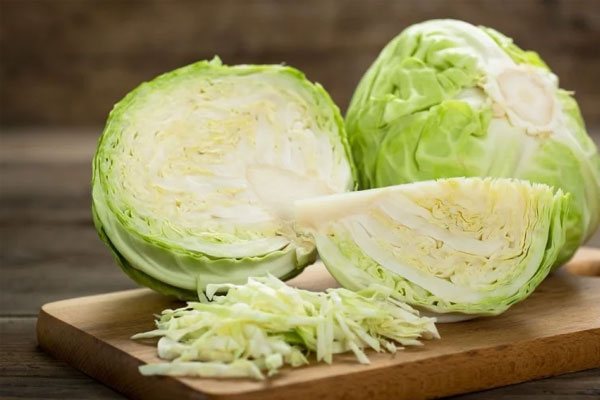
Why Cabbage Is Considered a Healthy Food
Before discussing potential concerns, it's worth understanding why cabbage is generally regarded as nutritious.
Cabbage Contains
-
Vitamin C
-
Vitamin K
-
Folate
-
Potassium
-
Fiber
-
Antioxidants
Potential Benefits
A balanced diet that includes vegetables such as cabbage may support:
-
Digestive health
-
Heart health
-
Immune function
-
Healthy weight management
For most healthy individuals, cabbage can be enjoyed regularly as part of a varied diet.
Group 1: People With Certain Thyroid Conditions
One group that may need to be cautious includes individuals with certain thyroid disorders.
Understanding the Thyroid
The thyroid is a small gland located in the neck.
It helps regulate:
-
Metabolism
-
Energy levels
-
Body temperature
-
Hormone production
Why Cabbage Gets Attention
Cabbage belongs to the cruciferous vegetable family.
Other members include:
-
Broccoli
-
Cauliflower
-
Brussels sprouts
-
Kale
These vegetables contain naturally occurring compounds known as goitrogens.
What Are Goitrogens?
Goitrogens may interfere with the thyroid's use of iodine under certain circumstances.
Should Everyone Worry?
No.
For most people, eating cabbage is not a problem.
However, individuals with existing thyroid conditions—particularly those related to iodine deficiency—may wish to discuss intake with their healthcare provider.
Cooking May Help
Cooking can reduce some goitrogenic compounds, making cooked cabbage a preferred option for certain individuals.
Group 2: People Prone to Digestive Discomfort
Although cabbage contains beneficial fiber, some people find it difficult to digest.
Possible Symptoms
-
Bloating
-
Gas
-
Abdominal discomfort
-
Digestive upset
Why It Happens
Cabbage contains fermentable carbohydrates that may be broken down by bacteria in the digestive tract.
This process can produce gas.
Individuals Who May Notice Symptoms
-
People with sensitive digestion
-
Individuals with irritable bowel syndrome (IBS)
-
Those following low-FODMAP diets
Helpful Tips
Some people tolerate:
-
Smaller portions
-
Cooked cabbage
-
Fermented cabbage products
better than large amounts of raw cabbage.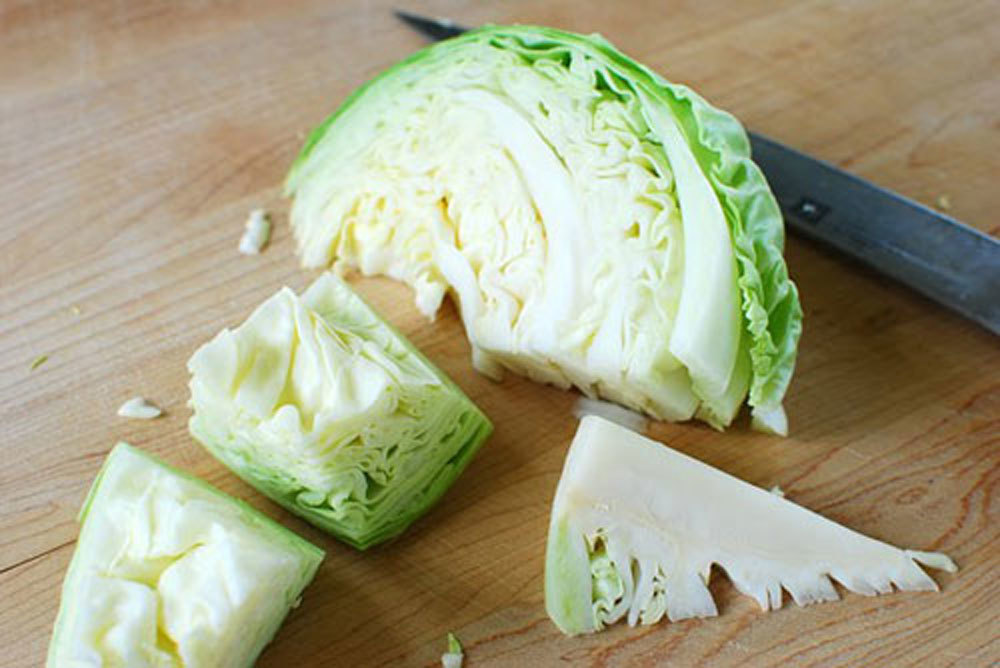
Group 3: People Taking Blood-Thinning Medications
Cabbage is rich in vitamin K.
Why Vitamin K Matters
Vitamin K plays an important role in blood clotting.
Potential Consideration
People taking certain blood-thinning medications may need to maintain consistent vitamin K intake.
Important Clarification
This does not necessarily mean avoiding cabbage altogether.
In many cases, consistency is more important than elimination.
What Experts Often Recommend
Individuals taking anticoagulant medications should discuss dietary changes with their healthcare provider.
Sudden increases or decreases in vitamin K-rich foods may affect medication management.
Group 4: People With Certain Kidney Conditions
Cabbage contains potassium, an essential mineral that supports:
-
Muscle function
-
Nerve signaling
-
Fluid balance
Why Potassium Matters
Healthy kidneys help regulate potassium levels in the body.
Potential Concern
People with advanced kidney disease may sometimes need to monitor potassium intake.
Important Note
Dietary recommendations vary depending on:
-
Kidney function
-
Medical history
-
Treatment plans
Anyone with kidney disease should follow guidance from their healthcare team.
Raw vs. Cooked Cabbage
Preparation methods can influence how cabbage affects the body.
Raw Cabbage
Advantages:
-
Crisp texture
-
Retains many nutrients
Possible disadvantages:
-
May be harder to digest for some people
Cooked Cabbage
Advantages:
-
Softer texture
-
Easier digestion for many individuals
Cooking may also reduce some compounds associated with digestive discomfort.
What About Sauerkraut and Kimchi?
Fermented cabbage products have become increasingly popular.
Examples
-
Sauerkraut
-
Kimchi
Potential Benefits
Fermentation may provide:
-
Probiotics
-
Enhanced flavor
-
Improved digestibility
However, these products may also contain high amounts of sodium.
People with high blood pressure should pay attention to serving sizes.
Signs You May Not Tolerate Cabbage Well
While cabbage allergies are relatively uncommon, some individuals may experience sensitivity.
Symptoms May Include
-
Bloating
-
Excess gas
-
Abdominal pain
-
Digestive discomfort
Persistent symptoms should be discussed with a healthcare professional.
Common Myths About Cabbage
Myth 1: Cabbage Is Dangerous
For most people, cabbage is perfectly safe and nutritious.
Myth 2: Everyone With Thyroid Disease Must Avoid Cabbage
Many people with thyroid conditions can still enjoy cabbage as part of a balanced diet.
Myth 3: Raw Cabbage Is Always Better
Both raw and cooked cabbage have nutritional value.
The best choice often depends on individual tolerance.
Myth 4: Eating More Cabbage Is Always Better
Even healthy foods are best consumed as part of a varied and balanced diet.
The Importance of Moderation
Nutrition experts frequently emphasize that no single food determines health outcomes.
A Healthy Eating Pattern Includes
-
Vegetables
-
Fruits
-
Whole grains
-
Lean proteins
-
Healthy fats
Cabbage can play a valuable role within this broader dietary pattern.
Tips for Enjoying Cabbage Safely
Start With Small Portions
Especially if you are not accustomed to eating high-fiber vegetables.
Cook It Thoroughly
Cooking may improve digestibility.
Combine With Other Vegetables
Variety supports balanced nutrition.
Stay Hydrated
Adequate hydration supports healthy digestion.
When to Seek Medical Advice
Consider consulting a healthcare professional if:
-
Digestive symptoms persist
-
You have a thyroid disorder
-
You are taking blood-thinning medications
-
You have kidney disease
Personalized guidance is often more useful than general dietary rules.
Final Thoughts
Cabbage is a nutritious vegetable that offers fiber, vitamins, minerals, and antioxidants that support overall health. For most people, it can be enjoyed safely and regularly as part of a balanced diet. However, individuals with certain thyroid conditions, digestive sensitivities, blood-thinning medication requirements, or kidney-related concerns may benefit from additional caution.
The key message is not that cabbage should be avoided, but that dietary choices should be tailored to individual health needs. Understanding how your body responds to different foods and seeking professional guidance when necessary can help ensure that even healthy foods are enjoyed in the most beneficial way possible.