Kidney failure is often called a “silent disease” for a reason. In its early stages, it rarely causes obvious pain or dramatic symptoms. Many people continue their daily lives completely unaware that their kidneys are slowly losing function. By the time warning signs become noticeable, significant and sometimes irreversible damage may already have occurred.
The kidneys play a vital role in filtering waste, balancing fluids, regulating blood pressure, and maintaining overall health. When they fail, the consequences affect the entire body. Understanding how kidney failure develops — and how to prevent it — is essential for long-term health .
.
Why Kidney Failure Often Goes Unnoticed
Unlike other organs, the kidneys can lose a large portion of their function without causing clear symptoms. In the early stages, the body compensates, masking the damage. This is why many people are diagnosed only during routine blood or urine tests — or much later, when symptoms become severe.
By the time fatigue, swelling, or changes in urination appear, kidney disease may already be advanced.
Early Warning Signs You Should Never Ignore
Although kidney failure is silent, the body may still send subtle signals, such as:
-
Persistent fatigue
-
Swelling in the feet, ankles, or face
-
Foamy or bubbly urine
-
Changes in urination frequency
-
Difficulty concentrating
-
Loss of appetite
These signs are often blamed on stress, aging, or lifestyle factors. Ignoring them can be dangerous.
What You Must Do to Prevent Kidney Failure
1. Control Blood Pressure
High blood pressure is one of the leading causes of kidney damage. Over time, it puts excessive strain on the delicate blood vessels in the kidneys.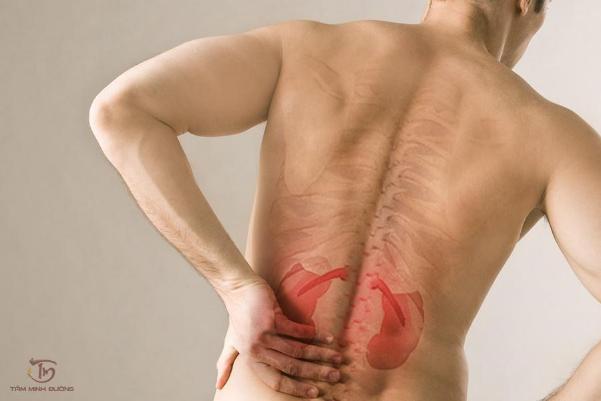
Keeping blood pressure within a healthy range through diet, exercise, stress management, and medication if necessary is one of the most effective ways to protect kidney function.
2. Manage Blood Sugar Levels
Diabetes is another major cause of kidney failure. High blood sugar damages the kidneys’ filtering system gradually and silently.
Regular monitoring, proper medication, and a balanced diet can significantly reduce the risk. Good blood sugar control protects both the kidneys and the heart.
3. Stay Properly Hydrated
Water helps the kidneys remove toxins from the body. Chronic dehydration forces the kidneys to work harder, increasing the risk of long-term damage.
Drinking enough fluids daily supports kidney health, especially in hot climates or during physical activity. However, excessive fluid intake should be avoided in people with existing kidney disease — balance is key.
4. Avoid Overuse of Painkillers
Frequent or long-term use of common painkillers such as non-steroidal anti-inflammatory drugs (NSAIDs) can harm the kidneys.
Many people take these medications regularly without medical supervision. This silent habit can slowly destroy kidney function over time. Always use medications as directed and consult a healthcare professional when pain persists.
5. Reduce Salt Intake
Excess salt raises blood pressure and forces the kidneys to retain more fluid. Processed foods, fast food, and packaged snacks are often loaded with hidden sodium.
Reducing salt intake helps control blood pressure and decreases kidney strain. Simple dietary changes can make a significant difference.
6. Maintain a Healthy Weight
Obesity increases the risk of both diabetes and high blood pressure — the two leading causes of kidney failure.
Regular physical activity and a balanced diet support not only kidney health but also overall metabolic health. Even modest weight loss can reduce kidney stress.
7. Quit Smoking
Smoking reduces blood flow to the kidneys and accelerates kidney damage. It also worsens high blood pressure and increases the risk of cardiovascular disease.
Quitting smoking improves circulation and slows the progression of kidney disease. It is one of the most powerful lifestyle changes for kidney protection.
8. Get Regular Kidney Checkups
Routine blood and urine tests can detect kidney problems long before symptoms appear. These tests measure:
-
Creatinine levels
-
Glomerular filtration rate (GFR)
-
Protein in urine
People with risk factors such as diabetes, high blood pressure, or a family history of kidney disease should be especially vigilant. Early detection can prevent kidney failure or delay its progression for many years.
Who Is at Higher Risk
Certain individuals face a higher risk of kidney failure, including:
-
People with diabetes
-
People with high blood pressure
-
Smokers
-
Older adults
-
Those with a family history of kidney disease
-
Individuals with heart disease
For these groups, prevention is not optional — it is essential.
Final Message
Kidney failure does not happen overnight. It develops quietly, slowly, and often without warning.
The good news is that many cases are preventable. Paying attention to small changes, adopting healthy habits, and getting regular checkups can protect kidney function for life.
Do not wait for symptoms. Protect your kidneys early — they work for you every single day.