Oregano is one of the most recognizable herbs in the world. Found in countless kitchens and featured prominently in Mediterranean cuisine, oregano is commonly used to flavor pizzas, pasta sauces, soups, roasted vegetables, and meat dishes. Its bold aroma and distinctive taste have made it a staple ingredient for centuries.
Yet beyond its culinary appeal, oregano has attracted increasing attention from scientists interested in its nutritional and biological properties. Researchers have discovered that oregano contains a variety of plant compounds with antioxidant and antimicrobial activity, leading to growing curiosity about its potential role in supporting overall wellness.
While oregano should not be viewed as a miracle cure or replacement for medical treatment, current research suggests this humble herb may offer more than just flavor.
Let's take a closer look at what science currently says about oregano and why it continues to capture the attention of nutrition experts.

What Is Oregano?
Oregano is an aromatic herb that belongs to the mint family.
It Is Commonly Used In
-
Mediterranean cuisine
-
Italian dishes
-
Greek recipes
-
Mexican cooking
-
Herbal teas
The herb can be consumed fresh or dried, although dried oregano often has a more concentrated flavor.
Oregano Has Been Used for Centuries
Long before modern laboratories existed, oregano was valued in traditional practices throughout various cultures.
Historically, It Was Used For
-
Culinary purposes
-
Herbal preparations
-
Food preservation
-
Aromatic applications
Today, researchers continue exploring some of the compounds responsible for these traditional uses.
1. Oregano Is Rich in Antioxidants
One of oregano's most notable characteristics is its high antioxidant content.
What Are Antioxidants?
Antioxidants help protect cells from oxidative stress caused by unstable molecules known as free radicals.
Oxidative Stress Has Been Linked To
-
Aging
-
Chronic inflammation
-
Various health conditions
A diet rich in antioxidant-containing foods may help support overall health.
Key Antioxidant Compounds in Oregano
Researchers have identified several beneficial compounds.
Examples Include
-
Carvacrol
-
Thymol
-
Rosmarinic acid
-
Flavonoids
These naturally occurring substances contribute to oregano's reputation as a nutrient-rich herb.
2. Oregano Contains Plant Compounds That Scientists Continue to Study
Many of oregano's potential benefits are linked to its unique phytochemicals.
What Are Phytochemicals?
These are naturally occurring compounds produced by plants.
Scientists investigate them because they may influence various biological processes.
Research Is Ongoing
Many studies remain preliminary, but findings continue to generate interest.
3. May Support a Healthy Immune System
The immune system depends on numerous factors, including nutrition.
Oregano Contributes
-
Antioxidants
-
Plant compounds
-
Small amounts of vitamins and minerals
Although oregano alone cannot prevent illness, it may contribute to a nutrient-rich diet that supports immune function.
The Importance of a Balanced Approach
Immune health also depends on:
-
Sleep
-
Physical activity
-
Stress management
-
Overall diet quality
No single herb can replace these foundations.
4. May Have Antimicrobial Properties
One of the most frequently studied aspects of oregano involves its antimicrobial activity.
Research Has Examined
Whether compounds such as carvacrol and thymol can affect certain microorganisms under laboratory conditions.
Important Clarification
Laboratory findings do not necessarily translate directly into clinical benefits for humans.
More research is needed.

5. May Help Support Digestive Wellness
Many traditional uses of oregano involve digestion.
Some People Use Oregano Tea For
-
Digestive comfort
-
Post-meal relaxation
-
General wellness
Scientific evidence remains limited, but oregano continues to be explored for its potential role in digestive health.
Why Digestive Health Matters
The digestive system influences:
-
Nutrient absorption
-
Immune function
-
Overall well-being
A healthy diet remains the most important factor.
6. May Contribute to Heart-Healthy Eating Patterns
Oregano itself is not a heart-health treatment.
However, it may contribute to healthier meals.
Why?
Using herbs and spices can add flavor without relying heavily on:
-
Excess salt
-
Sugar
-
High-calorie sauces
This may help support healthier eating habits.
7. Provides Small Amounts of Important Nutrients
Although oregano is typically consumed in small quantities, it still contains nutrients.
These Include
-
Vitamin K
-
Iron
-
Calcium
-
Manganese
The amounts consumed through seasoning are generally modest, but they contribute to overall dietary intake.
8. Oregano Oil Has Generated Scientific Interest
Oregano oil is often discussed separately from culinary oregano.
Why?
The oil contains concentrated amounts of active compounds.
Researchers Continue Studying
-
Antioxidant activity
-
Antimicrobial effects
-
Potential therapeutic applications
However, oregano oil is much stronger than the herb itself and should be used cautiously.
Oregano Oil Is Not the Same as Oregano Leaves
This distinction is important.
Oregano Leaves
Used primarily in cooking.
Oregano Oil
A concentrated product that may carry greater risks if misused.
Always follow product instructions and seek professional advice when appropriate.
9. May Support Healthy Aging
Aging is influenced by many biological processes, including oxidative stress.
Antioxidant-Rich Foods May Help Support
-
Cellular health
-
Normal aging processes
-
Long-term wellness
Oregano contributes beneficial plant compounds to a balanced diet.
10. Easy to Include in Daily Meals
One of oregano's greatest strengths is how simple it is to use.
Popular Ways to Enjoy Oregano
-
Sprinkle on vegetables
-
Add to soups
-
Mix into marinades
-
Season poultry
-
Flavor tomato sauces
Small additions can enhance both flavor and nutritional diversity.
What Does Science Actually Say?
It is important to separate evidence from exaggeration.
Current Evidence Suggests
Oregano contains compounds with interesting biological properties.
However
Many studies have been:
-
Laboratory-based
-
Animal-based
-
Preliminary
Human clinical research remains ongoing.
Common Myths About Oregano
Myth 1: Oregano Cures Diseases
No scientific evidence supports oregano as a cure for serious illnesses.
Myth 2: More Oregano Is Always Better
Excessive consumption may increase the risk of unwanted effects.
Myth 3: Oregano Can Replace Medication
Herbs should never replace prescribed medical treatment without professional guidance.
Myth 4: Oregano Oil Is Risk-Free
Concentrated products require careful use.
Who Should Be Cautious?
Although oregano is generally safe as a culinary herb, certain individuals should exercise caution with concentrated oregano products.
This May Include
-
Pregnant women
-
Individuals taking medications
-
People with known allergies
-
Those using oregano oil supplements
Consulting a healthcare professional is advisable.
Building a Healthy Lifestyle
Oregano can be a valuable addition to a healthy diet, but overall wellness depends on broader habits.
Key Foundations Include
-
Balanced nutrition
-
Regular exercise
-
Adequate sleep
-
Stress management
-
Routine healthcare
No single herb can substitute for these essentials.
Why Oregano Remains Popular Worldwide
Oregano combines two qualities that are rarely found together.
It Offers
-
Strong culinary appeal
-
Interesting nutritional properties
This combination explains why it remains one of the most widely used herbs across cultures.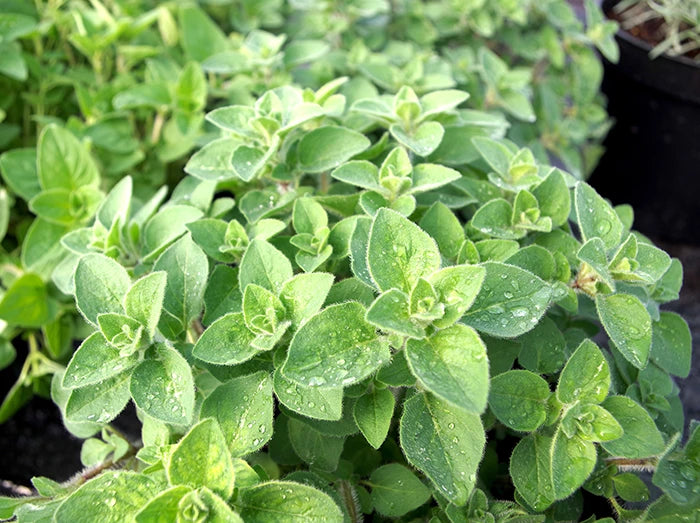
Final Thoughts
Most people know oregano as a flavorful herb used in cooking, but research suggests it may offer more than just taste. Rich in antioxidants and unique plant compounds such as carvacrol and thymol, oregano continues to attract scientific interest for its potential role in supporting overall wellness. While many findings remain preliminary and more human research is needed, oregano's nutritional profile makes it a valuable addition to a balanced diet.
The most practical way to view oregano is not as a miracle remedy but as a flavorful herb that contributes beneficial compounds while helping create healthier, more enjoyable meals. Sometimes the ingredients we use every day have far more to offer than we realize.