"My child, don’t be an honest person in the future": A Life-Lesson from a Father That Makes Many Reflect
Not harming others doesn’t mean others won’t harm you. Fight for yourself, be your best self, and don’t feel ashamed or guilty for refusing to help others.
There’s a boy in my neighbor’s family. Because we’ve lived next to each other for years, I’ve observed his growth to some extent.
Since childhood, he’s been an honest and sincere kid, never daring to lie, even once. As he grew up, he became diligent and responsible, focusing on his studies while helping his parents. He was kind-hearted towards those around him, but there was a downside: he was overly straightforward, saying exactly what he thought without considering whether it was appropriate. Fortunately, most of the neighbors, having known him for a long time, let it slide even when they didn’t like his bluntness. They might be annoyed but usually laughed it off.
His university entrance exam scores were very high, and after graduation, he was immediately employed by a well-known domestic company.
He was hardworking, often returning home utterly exhausted. Whenever colleagues asked him for help, he never avoided it. If the company had an award for "Most Helpful Employee," it would undoubtedly go to him.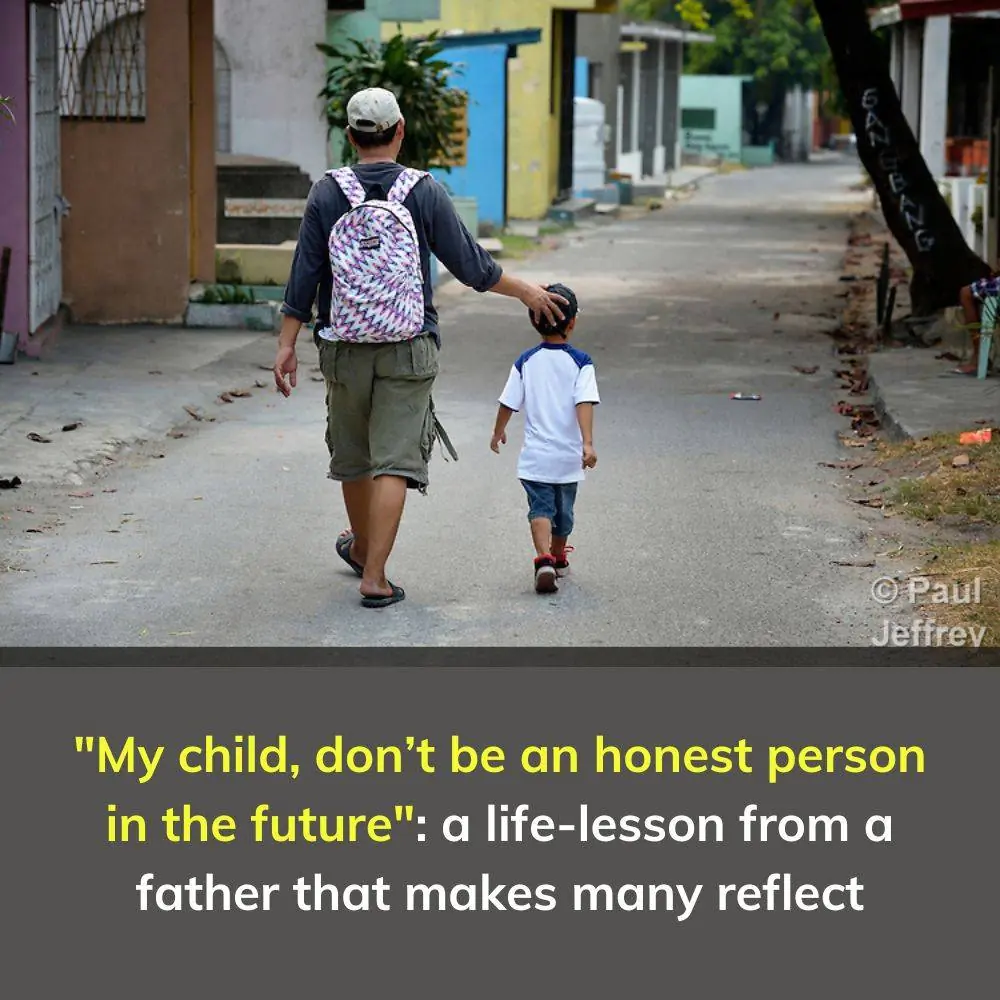
One day, his parents said:
"Working harder is fine, think of it as training yourself."
Then they asked how he was doing at work and if things were going well.
He replied:
"I feel like most people don’t like me very much. Usually, they don’t invite me to lunches or parties. They only mention my name when they need help. Sometimes when I can’t help because I’m busy, they get angry with me. And even after a long time, they still seem upset."
Although refusing to help occasionally is normal, it caused his colleagues to dislike him. Hearing this, his parents sighed and said, "Perhaps we shouldn’t have taught you to be so honest from the beginning."
In the end, his parents patted his shoulder and said:
"My child, don’t be an honest person in the future."
Although changing now is challenging, it’s a crucial step for his personal growth.
Allow Children to Have Their Own Opinions
Some parents get angry when their children act against their wishes, scolding them:
"Didn’t I tell you not to do that? Why didn’t you listen?"
Over time, children may feel like they’re always wrong, no matter what they do. As a result, before attempting anything, they’ll seek their parents’ approval and act only based on their parents’ instructions.
Such children, when they grow up, often lack individuality. They blend into the crowd, timid and hesitant. In personal interactions, they won’t voice their opinions because they’re used to letting others decide for them.
As adults, this trait can become frustrating to others. These individuals are often seen as overly sheltered, overly dependent on their parents, and incapable of making decisions independently.
Thus, while discipline is essential in raising children, they shouldn’t become puppets controlled by others. It’s vital to let children form and express their own opinions.
Teach Children to Set Boundaries
Honest people often have a tendency to endure too much and compromise easily. Even when bullied, they may choose silence.
When unfairly reprimanded by superiors, they tolerate it, thinking that patience will eventually lead to better outcomes. However, they fail to realize that bullying can become addictive for others.
Today, if you don’t stand up for yourself, people won’t pity your silence; instead, they’ll mock your weakness. Tomorrow, they might bring a group to belittle and oppress you further.
Thus, from a young age, children should be taught to establish their own limits.
In life, patience can help maintain harmony, but endless tolerance will only invite further mistreatment. One must dare to speak up and fight for their rights. Even if you don’t seek to take advantage of others, you mustn’t let them harm or exploit you either.
Teach Children to Advocate for Themselves
There’s an old saying: "Good wine fears a hidden alley."
No matter how good or honest a person is, they must know how to live for themselves and prioritize their own well-being. If you don’t look out for yourself, no one else will do it for you.
Teach your children early on that if they want something, they should find a proper way to obtain it. For instance, if they want a specific toy, encourage them to work hard in a competition to win it.
As adults, the same principle applies: if something is reasonable and right, they should bravely voice their desires.
Being honest is admirable, and others might "benefit" from an honest person’s hard work. But honest people rarely get to enjoy "free rewards" falling from the sky.
Not harming others doesn’t mean others won’t harm you. Fight for yourself, be your best self, and don’t feel ashamed or guilty for refusing to help others.