If a woman experiences severe symptoms, she should not wait for a routine follow-up appointment.
Emergency medical services or the nearest appropriate emergency department should be contacted.
Why Regular Follow-Up Matters
Some complications develop after a mother has already left the hospital.
This is particularly important with postpartum blood pressure disorders.
A woman may feel reasonably well immediately after delivery and then develop concerning symptoms several days later.
That is why postpartum follow-up should not be viewed as optional.
Blood pressure checks, medical reviews, and discussions about recovery help identify problems before they become more serious.
Mothers should also be encouraged to report symptoms rather than dismiss them as ordinary tiredness.
Pregnancy and childbirth place enormous demands on the body.
Recovery deserves the same attention as the delivery itself.
Chapter 5: A Message Every Family Should Remember After Childbirth
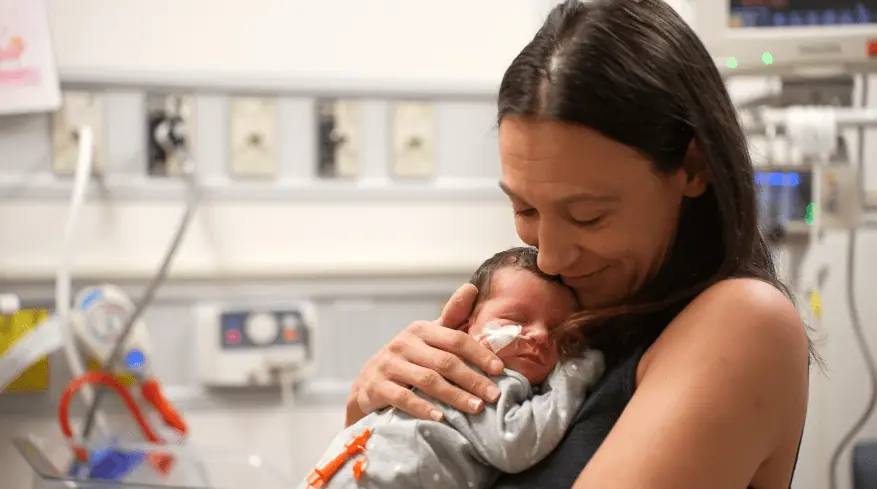
The photograph at the center of this story shows something that words can struggle to describe.
A mother holding her newborn close.
A tearful expression.
A tiny child who has only just entered the world.
Whether the online account accurately describes the woman's circumstances remains unverified, but the emotional situation it portrays raises an important question for every family preparing for childbirth:
Are we paying enough attention to the mother's health after the baby arrives?
Much of the attention surrounding pregnancy focuses on the baby.
Families discuss names, prepare clothing, arrange a nursery, purchase equipment, and imagine the day they will finally bring the newborn home.
All of these preparations are understandable.
But the mother's recovery deserves equal attention.
The Mother Is Also a Patient
After delivery, a woman may experience pain, fatigue, bleeding, hormonal changes, and significant physical adjustments.
Some recovery experiences are expected.
Others may signal a complication.
Families should understand that a mother who has just delivered needs rest, medical supervision, and appropriate support.
She should not be expected to immediately resume household responsibilities or care for everyone around her.
Her health matters independently of the baby's condition.
If she has undergone a complicated delivery, surgery, or emergency treatment, recovery may require additional time and professional care.
Partners and Relatives Can Make a Difference
Support from partners and relatives can help mothers navigate the postpartum period.
Practical assistance may include preparing meals, helping with household tasks, arranging transportation, and supporting infant care.
Emotional support is equally important.
A mother who has experienced a frightening delivery may need someone willing to listen without judgment.
She may feel relieved that her baby is alive but simultaneously frightened by what happened.
She may struggle with memories of the delivery.
She may worry about the baby's health or feel guilty about being unable to care for the newborn immediately.
These feelings deserve compassion.
Family members should avoid phrases that minimize her experience, such as telling her to forget everything because the baby is already here.
The birth of a child can be joyful and traumatic at the same time.
Both experiences can exist together.
Premature Babies Need Patience, Not Comparisons
Families with premature newborns may also face a long period of uncertainty.
One baby may need a few days of additional monitoring.
Another may require weeks of specialized care.
Some infants progress quickly, while others need more time to develop feeding skills, maintain their temperature, or breathe without assistance.
Comparing one premature baby with another is rarely helpful.
The medical team should explain the individual child's condition, treatment plan, and progress.
Parents should be encouraged to ask questions and participate in decisions about their baby's care.
The goal is not to measure progress against another family.
It is to support the individual child according to medical needs.
Hope Should Always Be Balanced With Medical Reality
One of the most important lessons from premature birth stories is that hope and caution must go together.
Modern neonatal medicine has helped many premature babies survive and receive the support they need.
However, outcomes depend on several factors, including gestational age, birth weight, complications, available medical resources, and the infant's overall condition.
Likewise, serious maternal complications can often be treated successfully when recognized quickly.
But no responsible article can predict the outcome for an individual mother or baby based on a photograph and a short social media caption.
Every patient needs an individual medical assessment.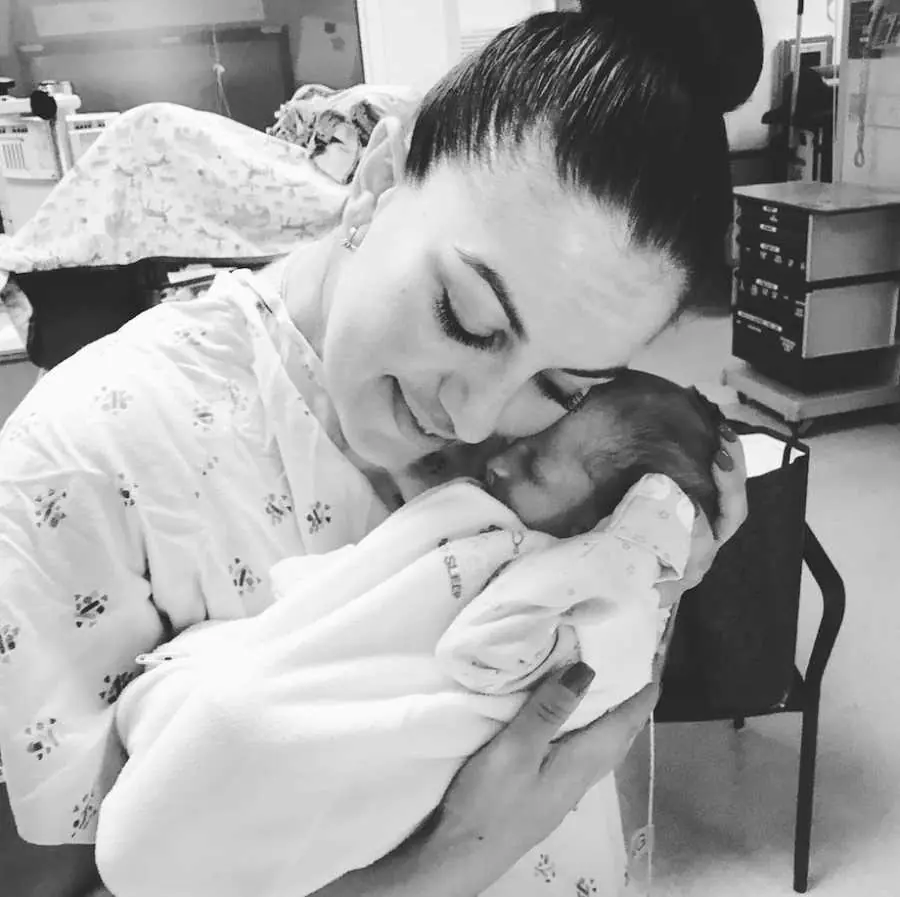
What Families Can Prepare Before Delivery
A little preparation can make a significant difference when unexpected complications occur.
Expectant parents may want to discuss the following subjects with their healthcare providers:
-
Which hospital should be contacted if labor begins prematurely?
-
Does the chosen hospital have neonatal facilities?
-
What symptoms require immediate assessment?
-
What are the warning signs of postpartum hemorrhage?
-
How can postpartum blood pressure complications be recognized?
-
Who should relatives contact if the mother or baby needs additional care?
-
What support will be available after the family returns home?
These discussions do not mean expecting something terrible to happen.
They simply help families understand what to do if the pregnancy or delivery does not follow the expected plan.
The Most Important Message Behind the Story
The image of a mother kissing her newborn is powerful because it reminds us that childbirth is not merely a medical event.
It is also a deeply personal experience involving love, vulnerability, expectations, and sometimes fear.
A premature baby may need time and specialized care.
A mother may need treatment and recovery.
A family may need patience while waiting for answers.
And sometimes, the happiest moment of a family's life can also be one of its most difficult.
The headline asks readers to wonder what happened to the mother after she gave birth.
The honest answer is that the specific woman's condition cannot be established from the available post.
But the medical lesson is clear: complications can develop after childbirth, and recognizing warning signs quickly can make an enormous difference.
Every mother deserves to be cared for, protected, and taken seriously.
Every newborn deserves the best possible start.
And every family deserves accurate information rather than frightening speculation.
Because when a baby arrives, the mother's story matters just as much as the child's.