Your bed should be a place of comfort, rest, and relaxation. However, many people are surprised to learn that mattresses, pillows, blankets, and bedding can sometimes become home to tiny unwanted guests, including dust mites and, in some cases, bedbugs.
While these pests are very different from one another, both can affect sleep quality and create an uncomfortable sleeping environment. Dust mites are microscopic organisms that thrive in household dust, while bedbugs are visible insects that feed on blood and typically hide near sleeping areas.
The good news is that maintaining a clean sleeping environment and adopting a few simple habits may help reduce the likelihood of these unwanted visitors. While natural strategies may not completely eliminate an existing infestation, they can play an important role in prevention and overall bedroom hygiene.
Let's explore what dust mites and bedbugs are, why they are attracted to bedrooms, and practical steps that may help keep them under control.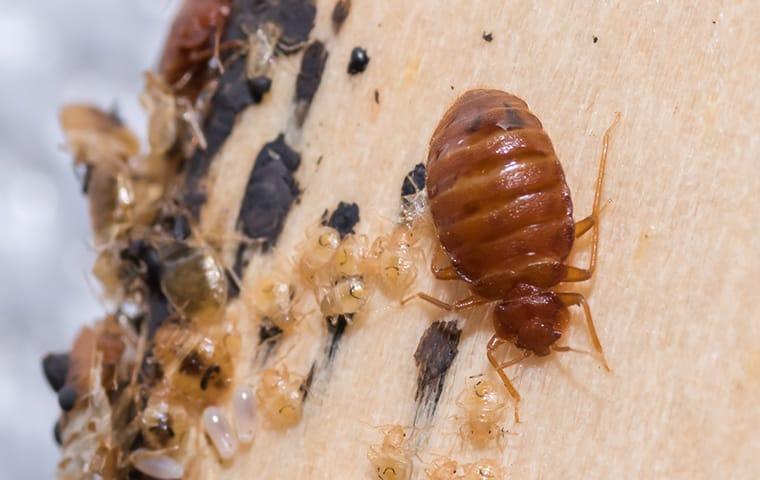
Understanding Dust Mites
Dust mites are tiny microscopic creatures that are invisible to the naked eye.
Where They Commonly Live
-
Mattresses
-
Pillows
-
Upholstered furniture
-
Carpets
-
Bedding
What Do They Feed On?
Dust mites primarily consume dead skin cells naturally shed by humans and pets.
Because people spend many hours sleeping, beds provide an ideal environment for these organisms.
Why Dust Mites Matter
Dust mites themselves do not bite.
However, their waste products and body fragments may trigger allergic reactions in sensitive individuals.
Possible Symptoms Include
-
Sneezing
-
Runny nose
-
Nasal congestion
-
Itchy eyes
-
Coughing
-
Asthma flare-ups
For allergy sufferers, reducing dust mite exposure can improve comfort and sleep quality.
Understanding Bedbugs
Bedbugs are small insects that are visible without magnification.
They Often Hide In
-
Mattress seams
-
Bed frames
-
Headboards
-
Furniture cracks
-
Nearby fabrics
Unlike dust mites, bedbugs feed on blood.
They Typically Emerge
At night while people are sleeping.
Signs of Bedbugs
Possible signs include:
Physical Evidence
-
Small reddish bites
-
Tiny blood spots on sheets
-
Dark stains on mattresses
-
Shed insect skins
Not everyone reacts to bedbug bites, so infestations can sometimes go unnoticed initially.
Why Bedrooms Attract These Pests
Bedrooms offer several things that pests find appealing.
These Include
-
Warmth
-
Humidity
-
Human presence
-
Fabric surfaces
-
Skin cells
Creating an environment that is less favorable may help reduce their presence.
Strategy #1: Wash Bedding Regularly
One of the simplest and most effective hygiene habits is washing bedding frequently.
Items to Wash
-
Sheets
-
Pillowcases
-
Blankets
-
Mattress covers
Why It Helps
Regular washing removes:
-
Skin cells
-
Dust
-
Allergens
-
Potential pest hiding places
Many experts recommend washing bedding regularly according to care instructions.
Strategy #2: Reduce Bedroom Humidity
Dust mites thrive in humid environments.
Why Humidity Matters
Higher moisture levels can encourage dust mite growth.
Ways to Reduce Humidity
-
Improve ventilation
-
Use air conditioning when appropriate
-
Use a dehumidifier if needed
Maintaining a comfortable indoor humidity level may help create a less favorable environment for dust mites.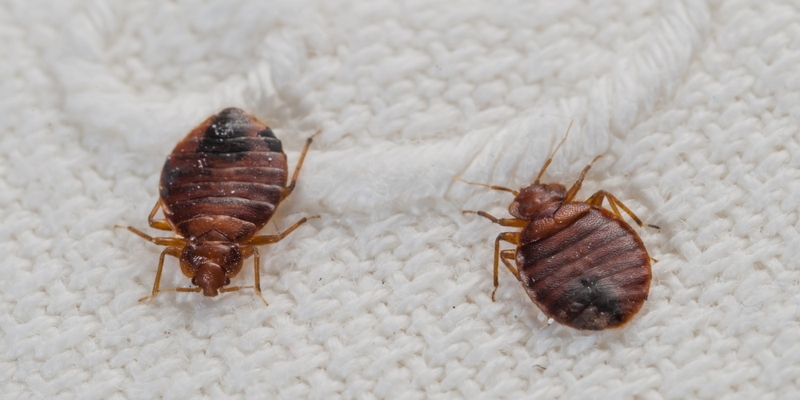
Strategy #3: Vacuum Frequently
Vacuuming can help reduce dust accumulation throughout the bedroom.
Focus On
-
Carpets
-
Rugs
-
Mattress surfaces
-
Upholstered furniture
-
Baseboards
Why It Helps
Dust often contains:
-
Skin flakes
-
Dust mite allergens
-
Debris
Regular cleaning may reduce these materials.
Strategy #4: Use Protective Mattress Covers
Specialized mattress and pillow covers can serve as barriers.
Potential Benefits
They may help:
-
Reduce dust mite exposure
-
Protect mattresses
-
Simplify cleaning
Protective covers are widely used as part of allergy-management strategies.
Strategy #5: Minimize Clutter
Clutter creates additional hiding places for pests.
Common Examples Include
-
Piles of clothing
-
Stacks of magazines
-
Excess bedding
-
Stored fabrics
Reducing clutter makes inspection and cleaning easier.
Strategy #6: Let Sunlight In
Natural sunlight may help create a fresher sleeping environment.
Benefits of Good Ventilation
-
Reduces moisture
-
Improves air circulation
-
Supports overall cleanliness
Opening curtains and allowing sunlight into the room may be beneficial when weather permits.
Strategy #7: Inspect Secondhand Furniture Carefully
Bedbugs can sometimes travel into homes through used furniture.
Before Bringing Items Indoors
Inspect:
-
Mattresses
-
Sofas
-
Chairs
-
Bed frames
Look for signs of infestation before use.
Strategy #8: Clean Under the Bed
Many people regularly wash sheets but forget the area underneath the bed.
Dust Often Accumulates
-
Under bed frames
-
Around storage boxes
-
Along baseboards
Routine cleaning helps reduce dust buildup.
Strategy #9: Be Careful After Traveling
Travel is a common way bedbugs spread.
After Returning Home
Consider:
-
Inspecting luggage
-
Washing travel clothing
-
Vacuuming suitcases
These habits may reduce the chance of unintentionally bringing bedbugs home.
Strategy #10: Wash Pet Bedding
Pets can contribute additional hair, dander, and debris.
Regularly Clean
-
Pet beds
-
Pet blankets
-
Washable pet accessories
This helps maintain a cleaner overall environment.
Do Essential Oils Work?
Many natural pest-control discussions involve essential oils.
Common Examples Include
-
Tea tree oil
-
Lavender oil
-
Peppermint oil
What Does Research Say?
Some laboratory studies suggest certain oils may have repellent properties.
However, evidence remains limited, and essential oils should not be relied upon as the sole solution for established infestations.
Common Myths About Dust Mites and Bedbugs
Myth 1: Dust Mites Only Live in Dirty Homes
Dust mites can exist in both clean and messy environments.
Their food source is primarily skin cells, which everyone sheds.
Myth 2: Bedbugs Only Affect Certain Homes
Bedbugs can be found in:
-
Hotels
-
Apartments
-
Houses
-
Dormitories
Cleanliness alone does not prevent them.
Myth 3: You Can Always See Dust Mites
Dust mites are microscopic and cannot be seen without magnification.
Myth 4: Bedbug Bites Always Look the Same
People react differently to bedbug bites.
Some individuals may show little or no visible reaction.
When Professional Help May Be Necessary
Natural prevention strategies are often helpful for reducing risk and maintaining cleanliness.
However, significant bedbug infestations typically require professional pest-control treatment.
Consider Professional Assistance If
-
Bedbugs are repeatedly found
-
Bites continue despite cleaning
-
Infestations spread to multiple rooms
Early intervention often makes treatment easier.
Creating a Healthier Sleep Environment
Beyond pest prevention, a clean bedroom may contribute to:
Better Sleep Quality
-
Improved comfort
-
Reduced allergens
-
Fresher air
-
Greater peace of mind
Small habits practiced consistently often produce the greatest long-term results.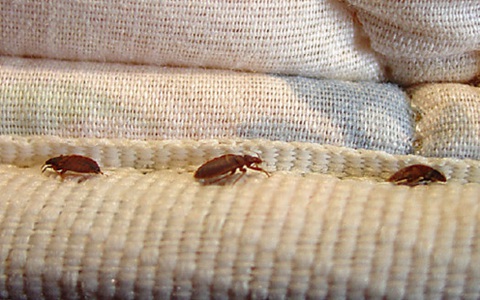
The Bigger Picture
Dust mites and bedbugs are common concerns, but understanding how they live and what attracts them can help reduce their presence. Regular cleaning, proper bedding maintenance, humidity control, clutter reduction, and careful inspection of furniture and travel items are among the most practical strategies available.
While no method can guarantee complete prevention, combining several of these habits may help create a cleaner and more comfortable sleeping environment.
Final Thoughts
Keeping your bed free from dust mites and bedbugs often begins with simple, consistent habits. Washing bedding regularly, controlling humidity, vacuuming thoroughly, using protective covers, reducing clutter, and practicing good travel hygiene may all help minimize the conditions these pests prefer. Although natural approaches can support prevention, persistent bedbug infestations may require professional treatment.
A cleaner bedroom not only helps reduce unwanted pests but can also contribute to better sleep, improved comfort, and a healthier home environment overall.