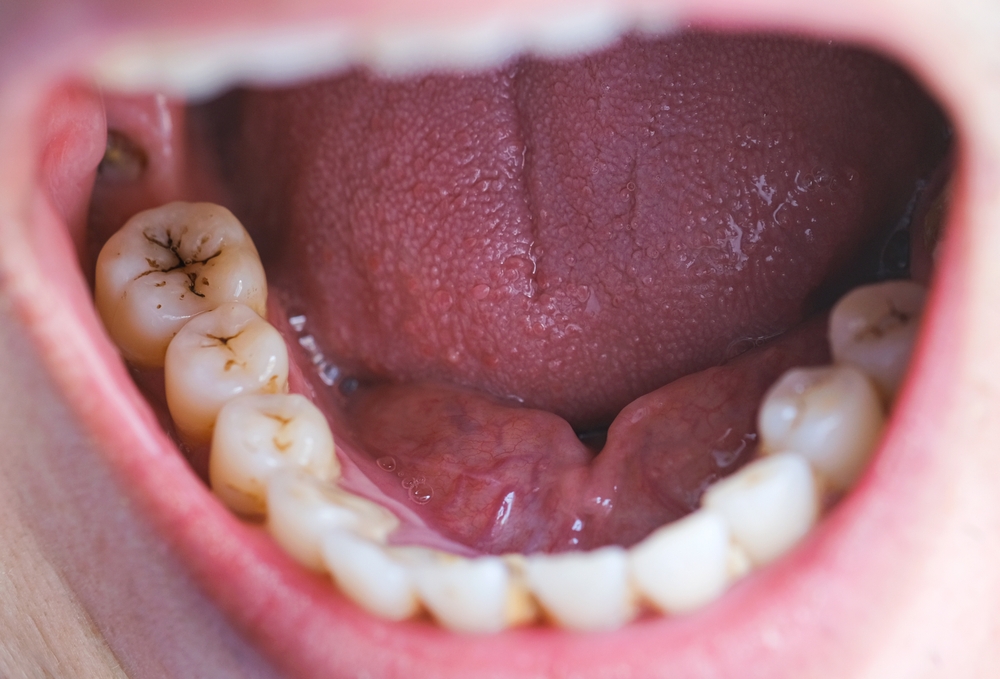
Natural Ways to Repair and Prevent Cavities: Strengthening Enamel and Boosting Remineralization
Cavities and enamel erosion are among the most common dental problems, affecting people of all ages. While brushing and flossing remain essential, there are also natural strategies that can support the body’s own ability to protect and strengthen tooth enamel. These methods focus on enhancing remineralization, reducing acid attack, and creating an environment where teeth can stay healthier for longer.
What Is Remineralization?
Remineralization is the process through which minerals like calcium and phosphate are redeposited into the enamel, helping to repair early damage caused by acidic foods, bacteria, and wear. Unlike enamel damage that has progressed deep into the tooth, early lesions can benefit from remineralization when the right conditions are present. Minerals in saliva and certain oral care habits play a key role in this natural repair process.
Daily Habits to Support Enamel
One of the most important steps in preventing cavities is maintaining excellent oral hygiene. Brushing twice a day with a toothpaste that contains fluoride or hydroxyapatite helps strengthen enamel and makes it harder for acids to wear it away. Flossing at least once a day removes bacterial plaque between teeth, where cavities often start.
Drinking water regularly also helps. Water not only rinses away food particles and bacteria, but it also stimulates saliva production. Saliva naturally carries calcium and phosphate to tooth surfaces, aiding remineralization and neutralizing acids that cause enamel demineralization.
Diet and Nutrition for Stronger Teeth
Your diet has a major influence on tooth health. Foods rich in calcium, phosphorus, and other essential minerals support enamel repair. Dairy products such as cheese, milk, and yogurt are excellent sources of calcium and phosphorus, which help replenish minerals lost through acid attack. Leafy greens, nuts, and seeds also provide trace minerals that contribute to dental strength.
Vitamin D plays a supporting role by enhancing calcium absorption in the body. Without adequate vitamin D, the body’s ability to incorporate calcium into enamel is reduced, which can weaken teeth over time. Spending time in sunlight and consuming vitamin D-rich foods like fatty fish and fortified products can help maintain optimal levels.
Limiting sugary and acidic foods and drinks is also critical. Bacteria in the mouth feed on sugar and produce acids that strip minerals from enamel. Cutting back on candy, soda, and citrus drinks — or rinsing with water after consuming them — reduces acid exposure and gives saliva a chance to remineralize teeth.
Natural Routines That Promote Remineralization
In addition to diet and hygiene, there are natural routines people use to support oral health. One such practice is oil pulling, an ancient technique that involves swishing a tablespoon of coconut oil around in the mouth for several minutes. This activity may help reduce harmful bacteria that weaken enamel and contribute to decay.
Using toothpaste that contains minerals like hydroxyapatite — a naturally occurring mineral similar to enamel — can aid remineralization. These toothpastes deliver essential minerals directly to weakened areas, potentially reducing sensitivity and helping restore enamel strength.
Chewing sugar-free gum, especially gum with the natural sweetener xylitol, can also boost saliva production. Xylitol not only stimulates saliva flow but has been shown to reduce the number of cavity-causing bacteria in the mouth.
When to See a Dentist
While natural methods can support early enamel repair and help prevent new cavities, they are not a substitute for professional dental care. Once a cavity has progressed past the enamel into the inner layers of the tooth, it cannot be fully repaired through remineralization alone, and restorative treatment by a dentist is usually necessary.
Routine dental checkups allow dentists to detect early signs of decay and recommend appropriate interventions, including fluoride treatments or dental sealants — coatings applied to tooth surfaces to prevent bacteria from settling in grooves where cavities often form.
Conclusion
Preventing and repairing early tooth decay naturally is possible with consistent oral care, a mineral-rich diet, and healthy lifestyle habits that support saliva production and reduce acid exposure. While deep cavities require professional treatment, reinforcing your enamel through everyday habits gives your teeth a better chance of staying strong and decay-free.