Heart disease remains one of the leading causes of death worldwide, yet many people fail to recognize the warning signs until a serious emergency occurs. While some heart conditions develop suddenly, others progress slowly over time, sending subtle signals that are often mistaken for stress, fatigue, aging, or minor illnesses.
Medical experts warn that paying attention to these early symptoms could make a major difference. Detecting heart problems early may help prevent severe complications such as heart attacks, heart failure, or stroke.
Here are 5 dangerous signs that may indicate your heart is under serious stress and should never be ignored.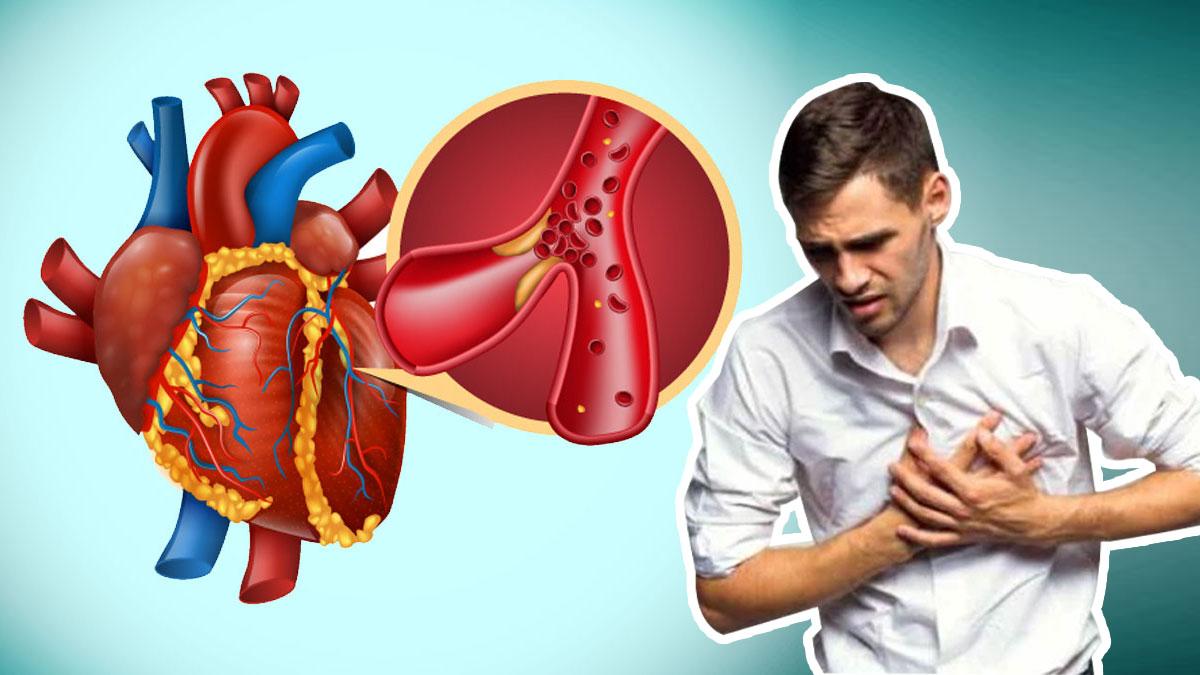
1. Chest Pain or Pressure
Chest pain is one of the most recognized symptoms of heart problems, but it does not always feel the same for everyone.
Some people experience:
- Sharp pain
- Tightness
- Pressure
- Burning sensations
- A feeling of heaviness in the chest
The discomfort may last only a few minutes or come and go repeatedly.
Many heart-related chest symptoms occur because the heart muscle is not receiving enough oxygen-rich blood. This condition is often associated with narrowed or blocked arteries.
Some people describe the sensation as:
- “An elephant sitting on the chest”
- Tight squeezing
- Intense pressure
The pain may also spread to:
- The arms
- Neck
- Jaw
- Back
- Shoulders
Doctors emphasize that chest discomfort should never be ignored, especially if it occurs during physical activity, emotional stress, or while resting unexpectedly.
Women sometimes experience less obvious chest symptoms than men, making diagnosis more difficult.
2. Shortness of Breath
Difficulty breathing may be another important warning sign of heart disease.
People with heart problems may notice:
- Breathlessness while walking
- Difficulty climbing stairs
- Feeling unable to catch their breath
- Waking up gasping for air at night
Shortness of breath can occur when the heart cannot pump blood efficiently, causing fluid to build up in the lungs.
Some individuals mistakenly blame:
- Aging
- Lack of exercise
- Anxiety
- Weight gain
However, sudden or worsening breathing difficulties deserve medical attention.
Experts say shortness of breath combined with chest pain, dizziness, or fatigue may indicate a serious cardiovascular problem.
3. Extreme Fatigue
Feeling tired occasionally is normal, but persistent and unexplained exhaustion may sometimes signal heart trouble.
When the heart struggles to pump blood effectively, the body may receive less oxygen and fewer nutrients. This can lead to:
- Constant fatigue
- Weakness
- Low energy
- Reduced physical stamina
Some people notice they become exhausted performing simple daily tasks they previously handled easily.
Women in particular may experience unusual fatigue weeks before a heart attack.
Warning signs include:
- Feeling drained after minimal activity
- Needing frequent rest
- Sudden lack of energy without explanation
Because fatigue is associated with many conditions, it is often overlooked as a heart symptom.
4. Swelling in the Legs, Feet, or Ankles
Swelling in the lower body may indicate that the heart is struggling to circulate blood efficiently.
When blood flow slows, fluid can accumulate in tissues, causing noticeable swelling in:
- Feet
- Ankles
- Legs
- Sometimes the abdomen
This condition is called edema.
Heart-related swelling may worsen:
- At the end of the day
- After standing for long periods
- During physical inactivity
People may also notice:
- Tight shoes
- Puffy ankles
- Rapid weight gain from fluid retention
Although swelling can result from many causes, persistent or worsening edema should be evaluated by a healthcare professional.
5. Irregular Heartbeat or Dizziness
An irregular heartbeat can sometimes feel like:
- Fluttering
- Racing
- Skipping beats
- Sudden pounding in the chest
Occasional changes in heartbeat may occur because of stress, caffeine, or anxiety. However, frequent or severe irregular rhythms may indicate an underlying heart condition.
Some arrhythmias can reduce blood flow to the brain, leading to:
- Dizziness
- Lightheadedness
- Fainting
- Confusion
Certain abnormal heart rhythms may increase the risk of stroke or sudden cardiac arrest.
Experts advise seeking immediate medical attention if irregular heartbeat occurs alongside:
- Chest pain
- Shortness of breath
- Loss of consciousness
Other Symptoms That May Signal Heart Problems
Heart disease does not always present the same way in every person.
Additional symptoms may include:
- Nausea
- Cold sweats
- Pain in the jaw or back
- Difficulty sleeping
- Persistent coughing
- Anxiety-like sensations
Women, older adults, and people with diabetes may experience especially unusual symptoms.
Who Is Most at Risk?
Several factors increase the risk of heart disease, including:
- High blood pressure
- Smoking
- Diabetes
- Obesity
- High cholesterol
- Physical inactivity
- Family history of heart disease
- Chronic stress
Poor diet and excessive alcohol consumption may also contribute to cardiovascular damage over time.
How Doctors Diagnose Heart Problems
If heart disease is suspected, doctors may perform tests such as:
- Electrocardiogram (ECG)
- Echocardiogram
- Blood tests
- Stress tests
- CT scans
- Coronary angiography
Early diagnosis can help doctors identify problems before life-threatening complications develop.
Ways to Protect Your Heart
Experts recommend several lifestyle habits to support heart health:
- Eating a balanced diet
- Exercising regularly
- Avoiding smoking
- Managing stress
- Maintaining healthy blood pressure
- Monitoring cholesterol levels
- Getting enough sleep
Regular medical checkups are also important, especially for people with risk factors.
When Should You Seek Emergency Help?
Immediate emergency care may be needed if symptoms include:
- Severe chest pain
- Difficulty breathing
- Sudden weakness
- Fainting
- Pain spreading to the arm or jaw
Heart attacks can become fatal quickly if treatment is delayed.
Doctors stress that it is always safer to seek medical evaluation rather than ignore potential warning signs.
Final Thoughts
Heart disease often develops silently, but the body may send warning signals long before a major event occurs. Chest pain, breathing difficulties, extreme fatigue, swelling, and irregular heartbeat are symptoms that should never be ignored.
Although these signs do not always mean serious heart disease, recognizing them early and seeking professional medical attention may save lives.
Listening carefully to the body and taking heart health seriously can make a powerful difference in long-term wellness and survival.