Rice is one of the most widely consumed foods in the world. It is simple to prepare, versatile, and commonly cooked in large batches so it can be eaten later. Many people place leftover rice in the refrigerator without thinking twice. However, storing cooked rice improperly can sometimes lead to food safety issues. Understanding the correct way to store it can help protect your health and reduce food waste.
Here are ten important things you should know before placing cooked rice in the fridge.
1. Rice Can Grow Bacteria If Left at Room Temperature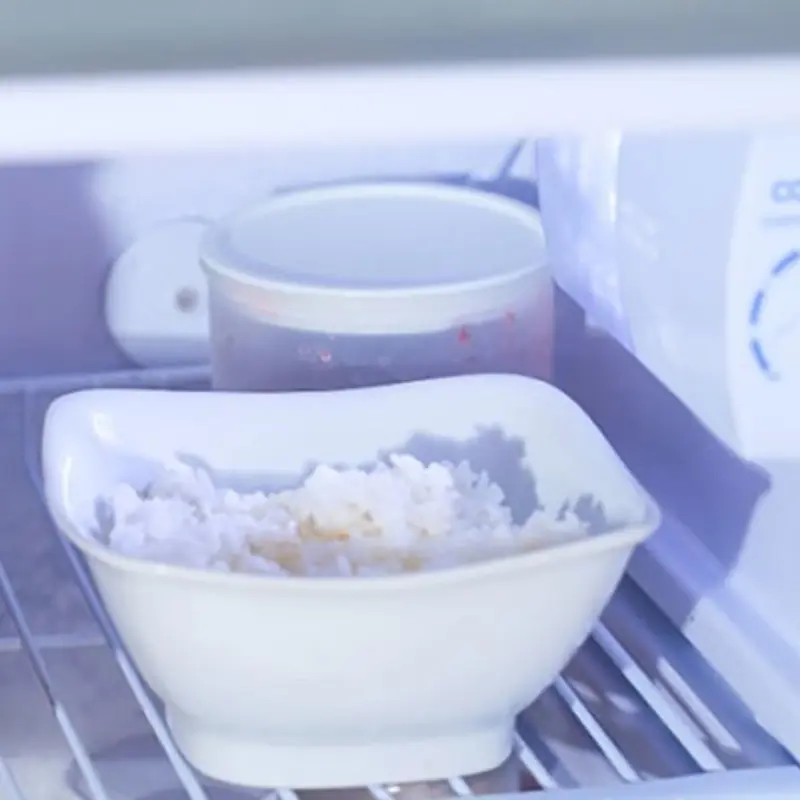
Cooked rice can contain spores of a bacterium known as Bacillus cereus. These spores can survive the cooking process. If cooked rice is left at room temperature for too long, the spores may grow into bacteria and produce toxins that can cause food poisoning.
For this reason, it is important not to leave cooked rice sitting out for extended periods.
2. Cool Rice Quickly After Cooking
One of the most important food safety practices is cooling rice quickly. After cooking, rice should ideally be cooled within one hour before being placed in the refrigerator. Spreading rice out in a shallow container can help it cool faster.
Rapid cooling reduces the chance of bacteria multiplying.
3. Use Airtight Containers
When storing rice in the fridge, it should be placed in airtight containers. This helps prevent moisture loss and protects the rice from absorbing odors from other foods. Proper containers also help maintain freshness.
Clear food containers with tight lids are a good choice for storing leftovers.
4. Refrigerate at the Right Temperature
Your refrigerator should ideally be set below 40°F (about 4°C). This temperature slows down bacterial growth and helps preserve food safely. If the fridge temperature is too high, rice may spoil more quickly.
Keeping a refrigerator thermometer can help ensure your appliance is operating correctly.
5. Do Not Store Rice for Too Long
Even when stored properly, cooked rice should not be kept in the refrigerator for too many days. Food safety experts generally recommend consuming refrigerated rice within three to four days.
After this time, the risk of spoilage increases.
6. Reheat Rice Thoroughly
When reheating rice, make sure it is heated evenly and thoroughly until steaming hot. This helps eliminate many harmful bacteria that may have developed during storage.
Stirring the rice while reheating can help ensure even heating.
7. Avoid Reheating Rice Multiple Times
Repeated reheating can increase the risk of foodborne illness and may also degrade the texture and taste of the rice. It is best to reheat only the portion you plan to eat.
This prevents unnecessary exposure to temperature changes.
8. Check for Signs of Spoilage
Before eating leftover rice, check for unusual smells, slimy texture, or discoloration. These signs may indicate that the rice has spoiled and should be discarded.
When in doubt, it is safer to throw the food away rather than risk illness.
9. Freeze Rice for Longer Storage
If you have a large amount of leftover rice, freezing can be a good option. Rice freezes well and can be stored for several weeks when sealed properly. When reheating frozen rice, ensure it is heated thoroughly before eating.
Freezing can help reduce food waste while maintaining safety.
10. Practice Good Kitchen Hygiene
Clean utensils, clean containers, and proper handwashing are all important when handling cooked food. Cross-contamination from other foods or surfaces can increase the risk of bacterial growth.
Maintaining good kitchen hygiene plays a key role in safe food storage.
A Simple Habit That Makes a Big Difference
Rice may seem like a simple everyday food, but how it is stored can have a significant impact on safety and freshness. By cooling rice quickly, storing it properly in the refrigerator, and reheating it thoroughly, you can enjoy leftovers without unnecessary risks.
With a few simple precautions, storing cooked rice can remain both convenient and safe for your household.