
5 Popular Ways Rice Water May Help Support Healthy, Glowing Skin
Rice Water for Your Skin: 5 Uses You Should Know About
Tips 29/07/2026 11:34
Many people occasionally wake up to find saliva on their pillow after sleeping. In most cases, nighttime drooling is harmless and may simply happen because of sleeping position, deep sleep, or temporary nasal congestion. However, doctors warn that frequent or excessive drooling during sleep could sometimes indicate hidden health issues that deserve attention.
Medical experts explain that saliva production and swallowing are controlled by complex interactions between muscles, nerves, breathing patterns, and sleep quality. When these systems are disrupted, drooling may become more noticeable and persistent.


 6
6
One common cause of nighttime drooling is nasal congestion or sinus blockage. When people cannot breathe properly through the nose because of allergies, colds, or sinus infections, they often sleep with their mouth open. This increases saliva leakage during sleep and may also reduce sleep quality.
Another possible cause is sleep apnea, a condition where breathing repeatedly stops and starts during sleep. People with sleep apnea may snore loudly, feel exhausted during the day, or wake up gasping for air. Doctors say mouth breathing and drooling are common symptoms in some sleep apnea patients.
Gastroesophageal reflux disease, commonly called acid reflux, may also contribute to excessive saliva production. When stomach acid irritates the throat or esophagus, the body may produce more saliva as a protective response. People with reflux often experience heartburn, sour taste, or throat discomfort, especially at night.


Neurological conditions are another possible concern. Disorders affecting nerves and muscle control — such as Parkinson’s disease, stroke complications, or certain neurological injuries — may interfere with normal swallowing function. As a result, saliva can accumulate more easily during sleep.
Dental problems and oral infections may also increase drooling. Gum disease, tooth pain, oral inflammation, or ill-fitting dental devices can stimulate saliva production and make nighttime drooling more noticeable.
In some cases, medications may play a role as well. Certain drugs used for anxiety, depression, neurological disorders, or sleep problems may affect saliva production or swallowing reflexes. Doctors recommend reviewing medication side effects if drooling suddenly becomes worse.
Experts stress that occasional drooling alone is usually not dangerous. However, people should pay attention if it is accompanied by symptoms such as loud snoring, breathing difficulties, daytime fatigue, facial weakness, swallowing problems, or sudden neurological changes.


 5
5
Fortunately, many causes of nighttime drooling can be improved through lifestyle adjustments and medical care. Sleeping on the back or using supportive pillows may reduce mouth breathing. Treating allergies, improving nasal airflow, and maintaining good oral hygiene can also help decrease symptoms.
People with suspected sleep apnea or chronic breathing issues should seek professional medical evaluation because untreated sleep disorders may increase the risk of high blood pressure, heart disease, and fatigue-related accidents.
Health professionals also recommend maintaining healthy sleep habits, avoiding heavy meals before bedtime, reducing alcohol intake, and staying physically active to support overall sleep quality.
In the end, doctors say nighttime drooling is often harmless, but persistent or severe cases should not be ignored. The body sometimes gives subtle signals when underlying health problems are developing.
Paying attention to unusual symptoms and seeking timely medical advice when necessary may help detect sleep disorders, breathing problems, or neurological conditions earlier and improve long-term health outcomes.
Rice Water for Your Skin: 5 Uses You Should Know About

Rinsing ground beef may seem helpful, but experts say it can do more harm.

The Salt Water Test Everyone Is Talking About—What It Really Shows
This simple bottle cap trick is surprising people everywhere.

The Hidden Reason Experts Recommend Unplugging These 5 Appliances 👇

The Watermelon Secret Most Shoppers Never Notice
The Meaning Goes Beyond Simple Pest Control

Soak your feet once a week—your feet may thank you for it.

10 Surprising Ways Lemon and Charcoal Can Be Used Around the House

The School Uniform Rule Many Students Don't Know
A Small Kitchen Habit Today Could Turn Into a Big Plumbing Problem Tomorrow

Wondering If Your Honey Is Authentic? Here's How to Check
The Real Reason Cockroaches Won't Leave Your House Alone.

Your Dog Keeps Sleeping in Your Bed? Here's the Real Reason

One Image, Two Interpretations—Which One Did You See?

Don't Panic! Follow These Life-Saving Steps After a Snake Bite
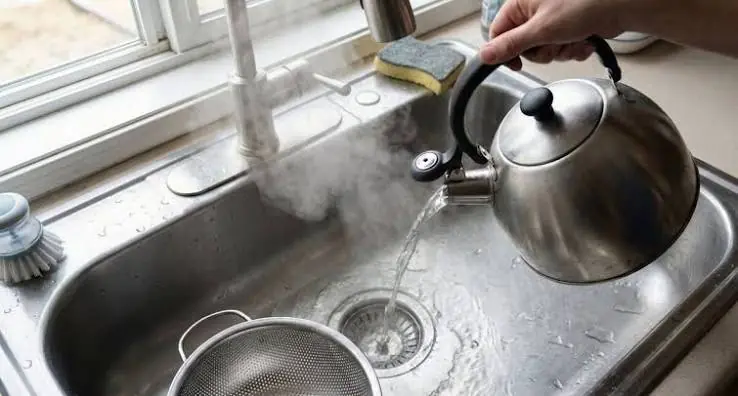
🚿 Not All Pipes Handle Hot Water the Same Way—Here's Why It Matters...
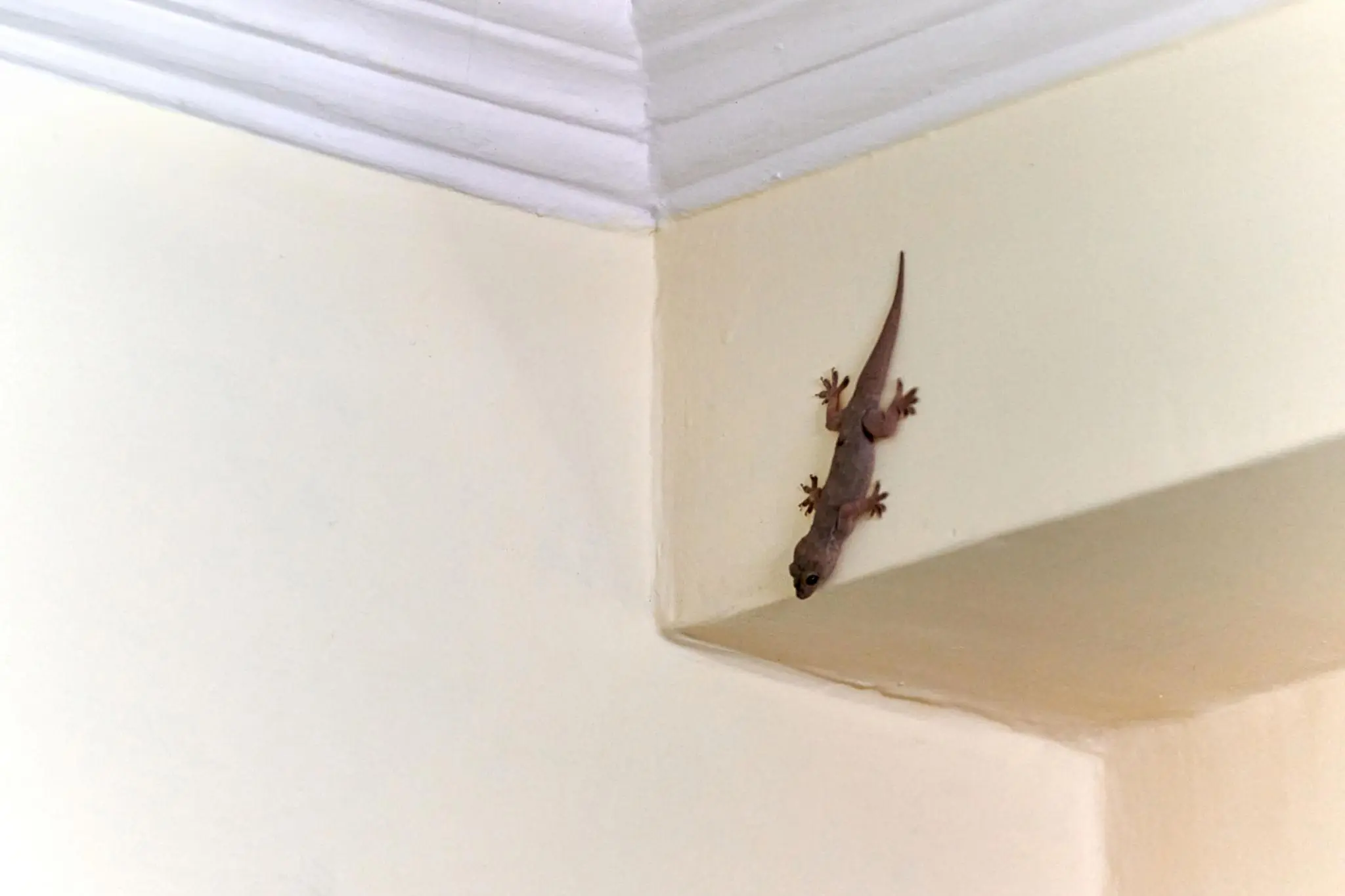
What Does It Mean When a Gecko Visits Your Home?

The Strange Animal Products That Sell for Thousands of Dollars
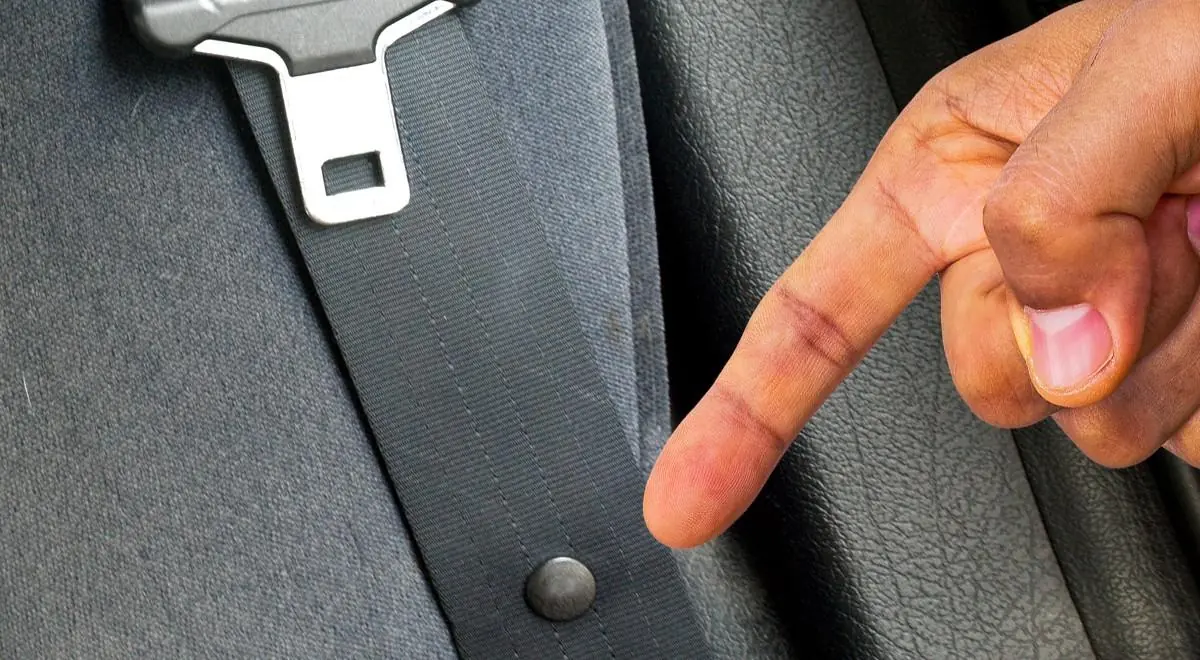
One Tiny Seat Belt Detail You've Probably Ignored for Years
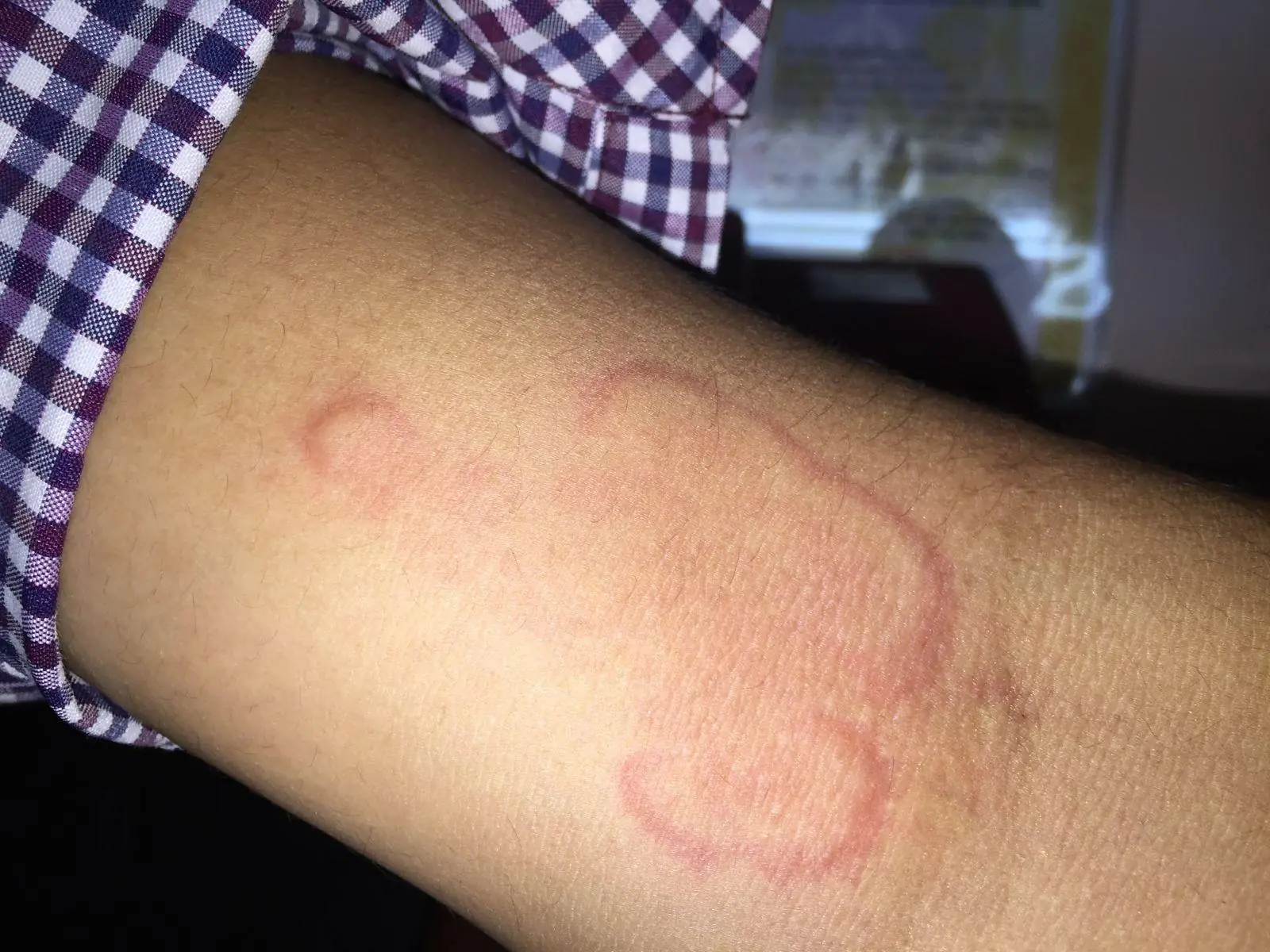
A ring-shaped rash is often harmless, but some cases require prompt evaluation.
The Science of Hydration: Why Your Body Needs Water Every Day

If These Symptoms Last Only Minutes, They Still Matter
Is It Really Good to Eat a Banana Before Bed? Let's Look at the Facts.
Despite online rumors, avocados are widely recognized as a heart-healthy food.
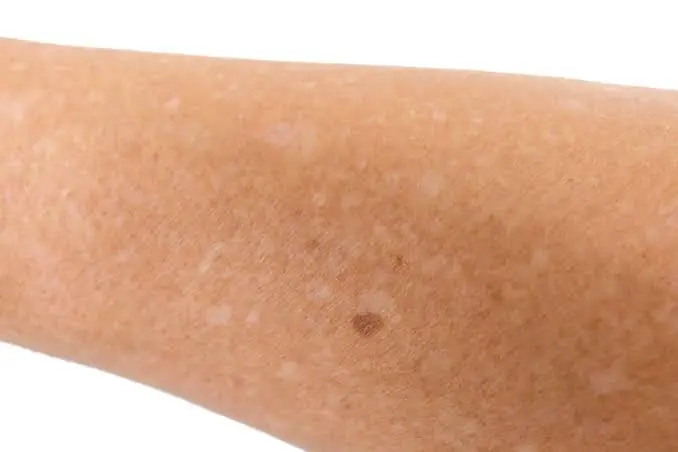
Don't Panic Over Tiny White Spots on Your Skin—But Don't Ignore Persistent Changes Either.

Your Favorite Sleeping Position Could Affect More Than You Think.

A fuller bust may seem desirable, but it can also bring unexpected challenges.


Top 12 Foods Associated With Better Health and a Lower Risk of Some Can.cers

9 Everyday Foods Rich in Protein That Support Muscle and Whole-Body Health
Rice Water for Your Skin: 5 Uses You Should Know About

Passing Gas More Than 25 Times a Day? Here's What It Could Mean

Can Your Diet Help Lower Can.cer Risk? 10 Healthy Foods Worth Knowing

The Girl Who Met Her Ex at His Wedding

Don't Brush Off These 6 Bathroom Changes—Here's Why They Matter.
Are You Getting Enough Iron? Signs of Deficiency and Tips to Increase Iron Naturally

You Might Want to Start Eating Bananas at Night After Learning This. 🍌✨
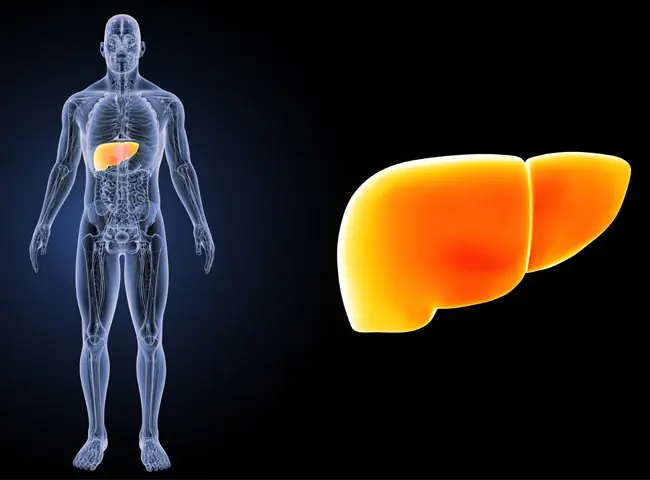
These 9 Early Symptoms Could Be Your Liver Asking for Attention