may contribute to muscle stiffness and discomfort.
Gentle movement throughout the day can help prevent prolonged inactivity.
If you've been sitting for several hours, getting up periodically and walking around may be beneficial for general mobility.
5. Your Exercise Routine May Be a Factor
Exercise is generally good for overall health.
But suddenly increasing the intensity of your workouts can place extra stress on muscles.
For example, someone who normally walks 20 minutes might suddenly start walking for two hours.
The muscles may not be accustomed to the additional workload.
Gradually increasing activity and allowing appropriate recovery can reduce the chance of exercise-related muscle problems.
6. Aging Can Increase the Frequency of Leg Cramps
Nighttime leg cramps become more common with age.
Older adults may experience changes in:
-
Muscle mass
-
Tendon flexibility
-
Nerve function
-
Physical activity
-
Medication use
-
Circulation
That doesn't mean cramps are an unavoidable part of aging.
But if you're older and suddenly experiencing frequent or severe cramps, it's worth discussing the pattern with your doctor—particularly if other symptoms are present.
7. Certain Medications Can Be Associated With Cramps
This is one reason your medication list matters.
Some medications can contribute to muscle cramps or affect fluid and electrolyte balance.
Examples can include certain:
-
Diuretics
-
Cholesterol-lowering medications
-
Blood-pressure medications
-
Other prescription drugs
The exact relationship depends on the medication and the individual.
Never stop a prescribed medication simply because you think it might be causing cramps.
Instead, tell your healthcare professional what you're experiencing.
They can determine whether the medication could be contributing and whether an adjustment is appropriate.
8. Pregnancy Can Cause Leg Cramps
Pregnancy is another situation in which nighttime leg cramps are common.
Changes in circulation, body weight, muscle workload, and other physiological factors can contribute.
Pregnant people should discuss persistent or severe symptoms with their healthcare provider, especially if cramps occur alongside swelling, redness, warmth, or significant pain in one leg.
9. Nerve Problems Can Sometimes Cause Muscle Symptoms
Nerves control muscle movement.
Problems affecting the nerves can therefore sometimes contribute to cramping, weakness, tingling, or other unusual sensations.
For example, nerve irritation or compression in the lower back can cause symptoms that extend into the leg.
If cramps occur alongside:
-
Numbness
-
Tingling
-
Burning
-
Weakness
-
Back pain
it's worth discussing the symptoms with a healthcare professional.
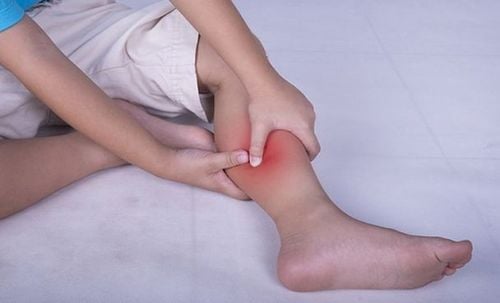
10. Circulation Problems May Also Matter
Some circulation problems can cause leg pain, particularly during physical activity.
For example, peripheral artery disease can cause discomfort or cramping in the legs when walking that improves with rest.
That pattern is different from an isolated nighttime cramp.
Still, recurring leg symptoms accompanied by cold feet, skin changes, weak pulses, or pain during walking deserve medical attention.
Don't assume every leg cramp is simply a muscle problem.
11. Diabetes Can Be Associated With Nerve Problems
People with diabetes can develop nerve damage over time.
Peripheral neuropathy may cause:
-
Burning
-
Tingling
-
Numbness
-
Shooting pain
-
Sensitivity changes
Muscle symptoms can occur alongside these problems.
If you have diabetes and develop new or worsening leg symptoms, discuss them with your healthcare provider.
12. Kidney Problems Can Affect Fluid and Mineral Balance
The kidneys play an important role in maintaining the body's fluid and electrolyte balance.
Certain kidney conditions can therefore be associated with muscle symptoms.
But this does not mean that nighttime cramps automatically indicate kidney disease.
If cramps are accompanied by swelling, changes in urination, unusual fatigue, nausea, or other concerning symptoms, medical evaluation may be appropriate.
What Should You Do When a Cramp Happens?
When your calf suddenly locks up in the middle of the night, your immediate goal is to relax the muscle.