When people hear “liver failure,” they often assume alcohol is the main cause. But that’s not always true. A growing number of cases are linked to non-alcoholic fatty liver disease (NAFLD) - a condition driven largely by diet and lifestyle.
In many situations, individuals who rarely or never drink alcohol still develop serious liver problems. Doctors are increasingly pointing to certain everyday foods that, when consumed regularly and excessively, can quietly damage the liver over time.
Let’s break down four of the most common dietary risks.
1. Sugary Drinks and Added Sugar
What’s included:
- Soft drinks
- Sweetened teas and juices
- Packaged desserts
Why it’s harmful:
These foods are high in fructose, which is processed almost entirely by the liver.
What happens:
- Excess sugar → converted into fat
- Fat accumulates in liver cells
- Leads to fatty liver over time
Key insight:
You don’t need alcohol to overload your liver—too much sugar can do it.
2. Ultra-Processed Foods
Examples:
- Instant noodles
- Packaged snacks
- Processed meats
Why they’re risky:
They often contain:
- Refined carbohydrates
- Trans fats
- Artificial additives
Impact on the liver:
- Promote inflammation
- Disrupt metabolism
- Increase fat storage in the liver
These foods are convenient—but long-term, they can be damaging.
3. Fried and Greasy Foods
Common items:
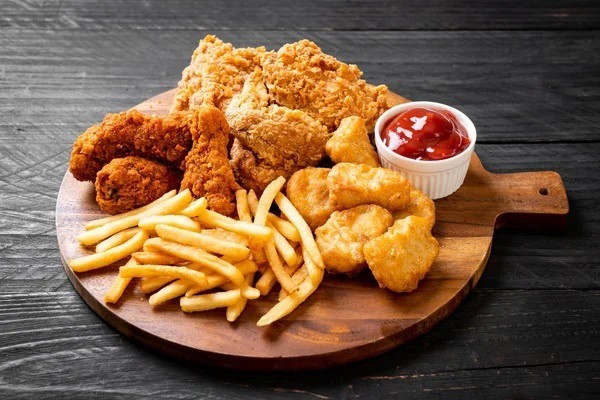
- Fried chicken
- Fast food
- Deep-fried snacks
Why they matter:
High in unhealthy fats, especially when cooked in reused oil.
Effects:
- Increase fat buildup in the liver
- Contribute to obesity and insulin resistance
- Overwork liver function
Important:
It’s not just the food—it’s also how often it’s consumed.
4. Excess Red Meat and High-Fat Diets
What’s included:
- Fatty cuts of beef
- Processed red meats
- High-fat cooking styles
Why it’s a concern:
- High saturated fat intake
- Can increase liver fat accumulation
Result:
Over time, this contributes to:
- Fatty liver
- Inflammation
- Reduced liver efficiency
Why This Happens Without Alcohol
The liver’s main job is to process and filter what you consume.
Even without alcohol:
- Excess sugar → becomes fat
- Poor diet → causes inflammation
- Overeating → overloads liver capacity
Over time, this can lead to:
- Fatty liver disease
- Liver inflammation (NASH)
- In severe cases, liver failure
Warning Signs Often Overlooked
Many people don’t realize there’s a problem because early symptoms are mild:
- Fatigue
- Discomfort in the upper right abdomen
- Slight weight gain
- Digestive issues
By the time symptoms become obvious, the condition may already be advanced.
What You Can Do to Protect Your Liver
Simple but effective steps:
- Reduce added sugar intake
- Limit processed and fried foods
- Eat more whole, natural foods
- Maintain a healthy weight
- Stay physically active
Even small changes can significantly reduce risk.
Final Take
Liver damage isn’t only about alcohol.
In today’s world, diet plays an equally powerful role.
- Sugary drinks
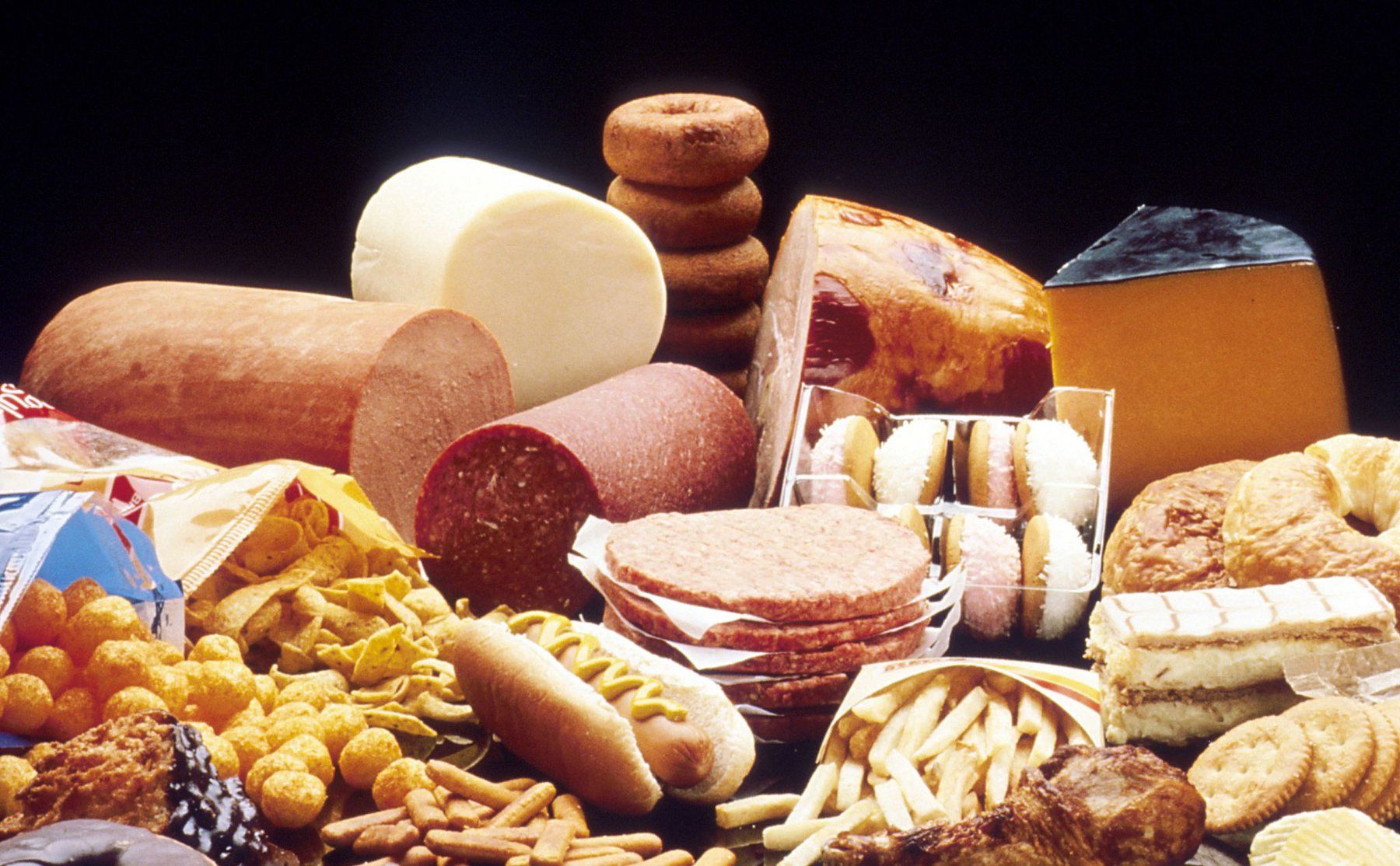
- Processed foods
- Fried meals
- High-fat diets
These everyday choices, repeated over time, can quietly harm one of the most important organs in your body.
The takeaway isn’t fear - it’s awareness.
Because protecting your liver often starts with something simple: 👉 Paying attention to what’s on your plate.