Eggs are a highly nutritious food and a staple in many daily meals. However, when a refrigerator is not available, many people wonder how to keep eggs fresh for longer. In fact, there are several simple traditional methods that can preserve eggs effectively without any cooling equipment.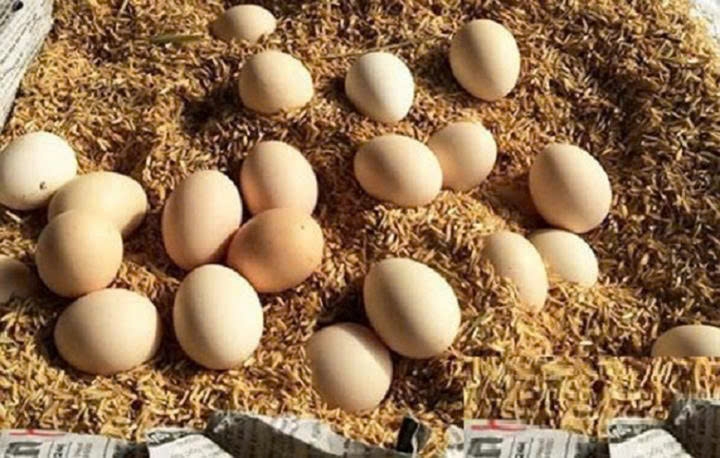
Store Eggs in Rice Husks
This is a traditional method commonly used in rural households. Spread a layer of clean, dry rice husks at the bottom of a container, arrange a layer of eggs, and cover them with another layer of husks. Repeat until the container is full, then seal it and store it in a cool, dry place. This method can keep eggs fresh for about two months. If rice husks are unavailable, sawdust or wood ash can be used instead.
Store Eggs With Grains
Eggs can be placed among grains such as black beans, red beans, soybeans, or corn. These grains absorb moisture well, helping reduce the conditions that allow bacteria to grow and extending the storage period.
Soak Eggs in Limewater
Mix lime powder with water at a concentration of about 2–3 percent, stir well, and allow the mixture to settle. Pour off the clear liquid and gently place the eggs into a jar. Add enough limewater to cover the eggs by about 20 centimeters. Seal the jar and store it in a cool place. Eggs may remain fresh for up to six months.
Use Dried Tea Leaves
After brewing tea, dry the used tea leaves and layer them with eggs in the same way as rice husks. Compounds in tea may help limit bacterial growth, allowing eggs to be stored for two to three months.
Bury Eggs in Salt
Salt has natural antibacterial properties. Covering eggs with dry coarse salt helps reduce the risk of bacterial contamination and can extend their shelf life.
Store Eggs in Sand or Rice Bran
Placing eggs in dry sand or clean rice bran helps stabilize temperature and reduce exposure to air, which can prolong freshness.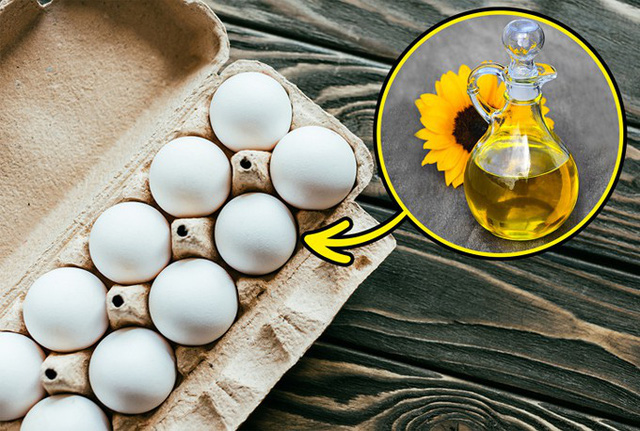
Coat the Shell With Vegetable Oil
Applying a thin layer of cooking oil to the shell seals the tiny pores on the surface, helping prevent air and bacteria from entering. Stored in a cool, dry place, eggs can remain usable for more than one month.
Soak Eggs in Sodium Silicate Solution
Sodium silicate, also known as “water glass,” is a food-safe additive. Dilute the solution with water and pour it into a container until the eggs are covered by 5–6 centimeters of liquid. Seal tightly and store in a cool place. Eggs can remain fresh for two to three months.
How to Tell if an Egg Has Gone Bad
Check the Shell
Fresh eggs usually have clean, dry, slightly rough shells. Spoiled eggs may appear dull, damp, cracked, or moldy.
Shake the Egg
Hold the egg near your ear and shake it gently. If you hear liquid sloshing inside, the egg may be old or spoiled. Fresh eggs usually make no sound.
Water Test
Place the egg in a bowl of clean water:
- Sinks and lies flat: very fresh.
- Tilts or stands upright: older but still usable.
- Floats to the surface: spoiled and should be discarded.
Crack It Open
Fresh eggs have a firm, rounded yolk and thick egg white that stays close to the yolk. If the egg has an unpleasant odor, a flat yolk, and watery white, it has spoiled.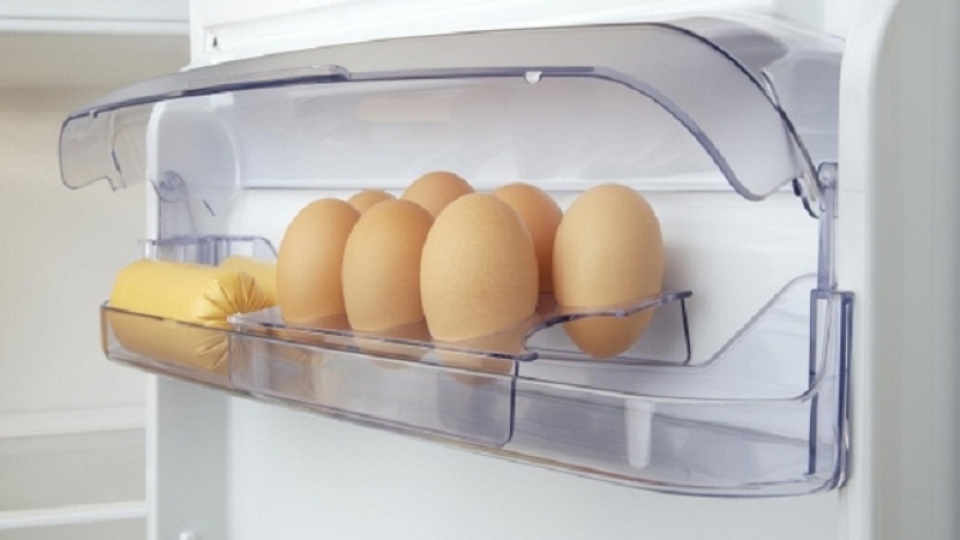
Important Tips for Storing Eggs
- Store eggs with the large end facing upward and the pointed end downward.
- Keep eggs away from strong-smelling foods such as onions, garlic, ginger, and lemongrass.
- Do not wash eggs before storage, as washing removes the natural protective coating on the shell.
Proper egg storage helps maintain freshness, reduces food waste, and ensures your family’s safety. These simple but effective methods can make using eggs in the kitchen more convenient and efficient.