The second situation can cause significant emotional, reputational, and sometimes legal harm.
Public Places Do Not Eliminate Every Privacy Concern
Some people believe that anything happening in a public place can be recorded and shared without restrictions.
That assumption is too simplistic.
People may have reduced expectations of privacy in certain public environments, but this does not mean that every form of recording or publication is automatically acceptable.
For example, a person walking through a shopping center may reasonably expect to appear in general security footage.
That does not necessarily mean they expect someone to isolate their image, create an embarrassing caption, and distribute it to millions of viewers.
The purpose of recording, the way the footage is used, and the circumstances surrounding the person all matter.
Different countries also have different laws governing privacy, surveillance, personal information, and publication.
Private Spaces Require Particular Care
Certain environments carry especially strong expectations of privacy.
These include:
-
Bathrooms and changing rooms.
-
Private bedrooms.
-
Hotel rooms.
-
Medical examination areas.
-
Private residential spaces.
-
Other locations where people reasonably expect not to be observed.
Recording someone in such environments without permission can be a serious violation.
In some jurisdictions, particular forms of covert recording may constitute criminal offenses.
The legal consequences depend on the location, the nature of the recording, and the applicable laws.
The fact that a video attracts millions of views does not make its original recording lawful.
Recording and Publishing Are Two Different Decisions
Another important issue is that permission to record does not necessarily mean permission to publish.
Imagine that someone agrees to participate in a small private video project.
They may understand that footage will be recorded for a specific purpose.
Later, the producer decides to upload the material publicly, add a dramatic headline, or include it in an advertising campaign.
The participant may have a very different understanding of how the material would be used.
This is why informed consent should explain the intended audience and use of the footage.
It should also address whether the recording may be edited, reused, monetized, or distributed through other platforms.
Consent is not simply a technical formality.
It is a way of respecting the people whose images and personal experiences become part of a production.
How Responsible Hidden-Camera Entertainment Should Work
Hidden-camera entertainment can be produced without treating participants unfairly.
The key is to establish boundaries before, during, and after filming.
A production may preserve an element of surprise while still protecting the dignity of the people involved.
1. The Situation Should Be Planned Carefully
Before filming begins, producers should determine what the scenario involves.
They should consider the location, potential risks, people who might be affected, and the type of reaction they are hoping to capture.
The scenario should not create unnecessary danger.
For example, a harmless misunderstanding is very different from a prank involving dangerous objects, physical contact, threats, or simulated emergencies.
The possibility of someone becoming frightened or injured should be taken seriously.
A joke that causes lasting distress is not automatically justified because the audience finds it entertaining.
2. Participants Should Be Informed When Appropriate
Some entertainment formats depend on an initial element of surprise.
However, that does not remove the responsibility to obtain appropriate consent before using identifiable footage.
Participants should have a meaningful opportunity to understand what happened.
They should also be able to ask questions about the recording and its intended use.
The person responsible for the production should not pressure someone into agreeing simply because the footage has already been captured.
3. The Reveal Should Not Create Unnecessary Distress
In a responsible hidden-camera production, the moment when the situation is explained should be handled carefully.
If someone appears frightened, uncomfortable, or upset, the production should respond appropriately.
Continuing to provoke a distressed person simply to obtain a stronger reaction can turn an entertainment segment into an exploitative experience.
The goal should be to create a memorable moment without causing unnecessary harm.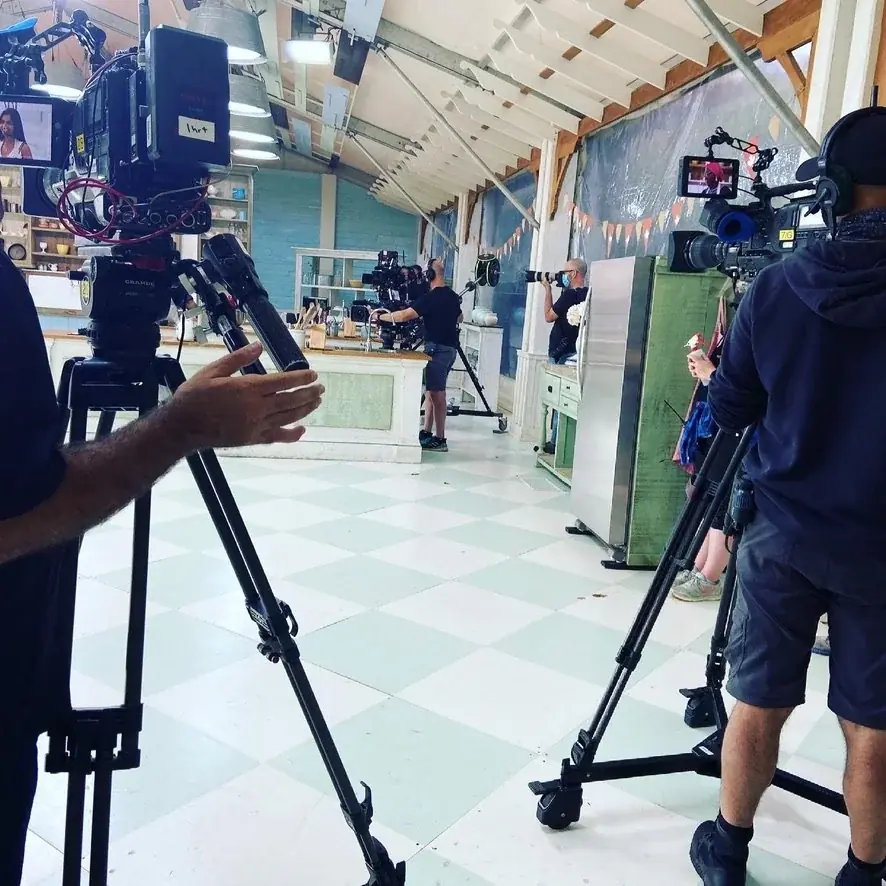
4. Participants Should Have a Meaningful Choice About Publication
After the situation is explained, producers should consider whether participants are comfortable with the footage being used.
They should understand where the video may appear and how recognizable they will be.
If someone refuses permission, their wishes should be taken seriously.
Depending on the circumstances, the production may need to remove the footage or sufficiently obscure identifying details.
5. Editing Should Preserve the Meaning of the Event
A video can become misleading through editing even when the original recording was genuine.
Removing an important explanation, changing the order of events, or placing unrelated dialogue over a person's reaction can create a false impression.
Responsible editing should preserve the essential context.
The audience should not be encouraged to believe that someone behaved in a particular way when the complete recording shows something different.
6. Personal Dignity Should Come Before Viral Potential
The fact that a video might attract millions of views should never be the only consideration.
A participant may feel comfortable with a funny moment being shared among friends but uncomfortable with the same moment becoming an international sensation.
Their feelings matter.
The most successful entertainment does not need to depend on humiliating someone who has no control over the situation.
The Hidden Camera Technology Behind Modern Viral Videos
Technology has changed dramatically since the early days of television hidden-camera programs.
Recording equipment has become smaller, more affordable, and easier to operate.
A production team no longer needs a large camera to capture a scene.
Several types of equipment can be used to record video discreetly, although their capabilities and appropriate uses vary.
Compact Digital Cameras
Small digital cameras can capture high-quality footage while occupying relatively little space.
They are useful in professional productions where conventional equipment would be too noticeable.
Some models offer remote monitoring, allowing operators to observe recordings from another location.
These cameras can be used in legitimate production environments, but their small size also makes privacy safeguards important.
Security Cameras
Security cameras are among the most familiar recording devices.
They may be installed in ceilings, entrances, corridors, and other locations.
Some are visible, while others are integrated into discreet housing.
Businesses may use them to monitor activity and investigate security incidents.
However, access to security recordings should be controlled.
Footage should not be casually distributed or used to embarrass individuals.
Smartphones and Wearable Devices
Smartphones have made recording almost effortless.
People can capture photographs and video within seconds.
Wearable devices add another layer of complexity because they may resemble ordinary accessories.
Some smart glasses, for example, include cameras and recording functions.
This creates questions about whether nearby people understand that they are being recorded.
A person may recognize that someone is wearing glasses but have no idea that those glasses contain a recording device.
The growing popularity of wearable technology makes awareness and responsible use increasingly important.