Dark spots on the skin are incredibly common. Many people notice them as they get older, after spending time in the sun, or following acne, cuts, or insect bites. In most cases, these spots are harmless and related to normal changes in the skin.
However, not every dark spot is the same.
Occasionally, a new or changing dark spot may be a sign of a skin condition that requires medical attention. While most dark spots are not cancerous, it's important to recognize when a spot looks different from others or begins to change over time.
The goal isn't to become anxious about every freckle or mole. Instead, it's about knowing which changes deserve a closer look and understanding when it's a good idea to consult a healthcare professional or dermatologist.
Let's explore five warning signs you shouldn't ignore, along with common causes of dark spots and practical tips for protecting your skin.

What Causes Dark Spots?
Before discussing warning signs, it's helpful to understand why dark spots develop.
Dark spots usually occur because the skin produces extra melanin, the pigment responsible for skin color.
Many everyday situations can trigger increased melanin production, including:
-
Sun exposure
-
Aging
-
Hormonal changes
-
Acne
-
Eczema
-
Insect bites
-
Minor injuries
-
Certain medications
These harmless spots often include:
-
Freckles
-
Solar lentigines ("age spots" or "sun spots")
-
Post-inflammatory hyperpigmentation
-
Melasma
Although they may look similar, each has different causes and treatment options.
Most Dark Spots Are Benign
Fortunately, most dark spots are not skin cancer.
For example:
Freckles
Freckles are small brown spots that often become darker after sun exposure.
They commonly appear on:
-
Face
-
Arms
-
Shoulders
Freckles themselves are harmless.
Age Spots (Solar Lentigines)
Age spots usually develop after years of ultraviolet (UV) exposure.
They're especially common on:
-
Face
-
Hands
-
Shoulders
-
Forearms
These spots are flat, well-defined, and generally harmless.
Post-Inflammatory Hyperpigmentation
After acne, eczema, burns, or skin injuries heal, darker patches may remain.
These often fade gradually over several months, although some persist longer.
Melasma
Melasma commonly causes symmetrical brown patches on the:
-
Cheeks
-
Forehead
-
Upper lip
Hormonal changes, pregnancy, birth control pills, and sun exposure often contribute.
Why Paying Attention Matters
Although most dark spots are harmless, skin cancer can sometimes resemble an ordinary mole or pigmented spot.
Melanoma, the most serious form of skin cancer, is less common than basal cell carcinoma or squamous cell carcinoma but has a greater potential to spread if left untreated.
Fortunately, melanoma is often highly treatable when detected early.
That's why learning to recognize suspicious changes is valuable.
1. The Spot Changes in Size, Shape, or Color
One of the most important warning signs is change.
A spot that begins changing over weeks or months deserves attention.
Examples include:
-
Becoming larger
-
Developing irregular edges
-
Becoming darker
-
Developing multiple colors
-
Changing thickness
Many dermatologists recommend using the ABCDE rule when evaluating moles.
The ABCDE Rule
A – Asymmetry
Imagine drawing a line through the center of the mole.
If one half doesn't resemble the other, asymmetry is present.
Benign moles are often more symmetrical.
B – Border
Healthy moles usually have:
-
Smooth edges
-
Well-defined borders
Concerning lesions may develop:
-
Ragged edges
-
Blurred borders
-
Notched outlines
C – Color
Many harmless moles have a single, uniform color.
A spot containing multiple shades may deserve evaluation.
Possible colors include:
-
Light brown
-
Dark brown
-
Black
-
Blue
-
Red
-
White
Variation doesn't automatically mean cancer, but it should be assessed if new or changing.
D – Diameter
A diameter larger than about 6 millimeters (roughly the size of a pencil eraser) has traditionally been considered one possible warning sign.
However:
Some melanomas are smaller.
Some harmless moles are larger.
Diameter is only one part of the overall picture.
E – Evolving
Perhaps the most important letter is E.
Any mole or spot that continues changing deserves medical attention.
2. A Dark Spot Looks Different From All Your Other Moles
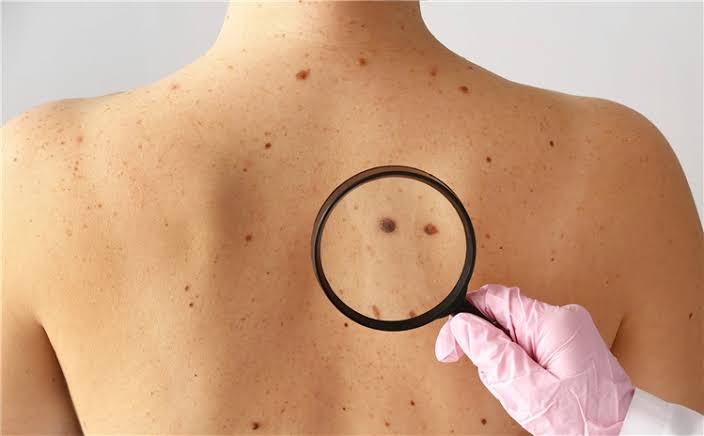
Dermatologists sometimes refer to this as the "ugly duckling sign."
Most people's moles share a similar appearance.
For example, they may all be:
-
Small
-
Round
-
Evenly colored
If one spot suddenly looks noticeably different from all the others, it deserves closer examination.
It may be:
-
Larger
-
Darker
-
More irregular
-
Raised
-
Unusual in shape
The "ugly duckling" concept reminds us to pay attention to spots that stand out from the rest.
3. The Spot Itches, Bleeds, or Doesn't Heal
Most ordinary freckles and age spots don't bleed or form persistent sores.
If a dark spot begins to:
-
Bleed without injury
-
Develop a scab repeatedly
-
Itch persistently
-
Become painful
-
Fail to heal
it's important to have it evaluated.
These symptoms don't necessarily indicate cancer.
They may also result from:
-
Irritation
-
Scratching
-
Infection
-
Benign skin growths
However, persistent symptoms should never be ignored.
4. A New Dark Spot Appears in Adulthood and Continues Changing
New moles commonly appear during childhood and young adulthood.
Although adults can still develop new moles, a new pigmented lesion appearing later in life, especially one that changes over time, deserves medical attention.
Most new adult spots are harmless.
Possible causes include:
-
Age spots
-
Seborrheic keratoses
-
Benign moles
However, melanoma can also appear as a brand-new lesion rather than arising from an existing mole.
5. The Spot Has Irregular Colors or Unusual Texture
Harmless spots are often:
-
Smooth
-
Evenly pigmented
-
Stable over time
A lesion may deserve evaluation if it develops:
-
Black and brown together
-
Red or white areas
-
Blue-gray pigmentation
-
Uneven surface
-
Raised areas
-
Crusting
-
Ulceration
Texture changes can sometimes provide important clues.
Other Skin Changes Worth Discussing
Not every skin cancer is dark.
Some skin cancers appear as:
-
Pink bumps
-
Red patches
-
Scaly areas
-
Pearly growths
-
Non-healing sores
This is especially true for:
-
Basal cell carcinoma
-
Squamous cell carcinoma
If a skin lesion persists for several weeks without healing, seek medical advice.
Who Is More Likely to Develop Skin Cancer?
Several factors increase risk.
These include:
Excessive UV Exposure
Years of sun exposure significantly increase the risk of many skin cancers.
Frequent Sunburns
Repeated blistering sunburns, particularly during childhood, increase melanoma risk.
Fair Skin
People with lighter skin, light-colored eyes, and blond or red hair generally have less natural UV protection.
However:
People of every skin tone can develop skin cancer.
Family History
Having close relatives with melanoma may increase risk.
Many Moles
People with numerous moles or atypical moles may require closer monitoring.
Weakened Immune System
Individuals with suppressed immune systems may have a higher risk of certain skin cancers.
Can Dark Spots Be Removed?
If a dermatologist determines that a dark spot is harmless, cosmetic treatments may be available.
Options may include:
-
Prescription creams
-
Chemical peels
-
Laser therapy
-
Cryotherapy
-
Microneedling (for selected cases)
Treatment depends on the cause of the pigmentation.
However, suspicious lesions should always be evaluated before attempting cosmetic removal.
Avoid Self-Diagnosis
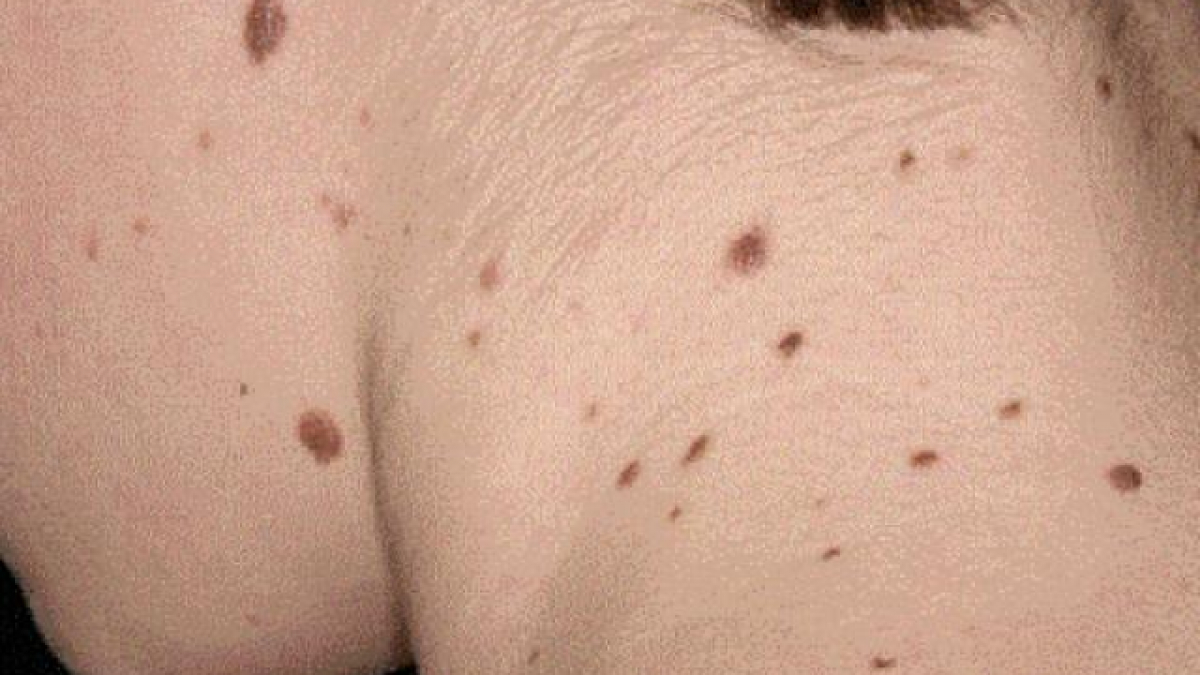
The internet is full of photos comparing harmless moles with melanoma.
While educational resources can be helpful, photographs cannot replace an in-person skin examination.
Lighting, camera angles, and individual skin tone all influence appearance.
Only a healthcare professional can determine whether a biopsy is necessary.
What Is a Skin Biopsy?
If a dermatologist is concerned about a lesion, they may recommend a skin biopsy.
During this procedure:
-
Part or all of the lesion is removed.
-
The tissue is examined under a microscope.
A biopsy is the only reliable way to diagnose melanoma or many other skin cancers.
Protecting Your Skin Every Day
One of the best ways to reduce skin cancer risk is limiting unnecessary UV exposure.
Simple habits include:
Use Sunscreen
Choose a broad-spectrum sunscreen with an appropriate SPF.
Reapply according to the product instructions, especially after swimming or sweating.
Wear Protective Clothing
Long sleeves, wide-brimmed hats, and UV-protective sunglasses can reduce sun exposure.
Seek Shade
The sun's ultraviolet rays are often strongest during the middle of the day.
When possible, spend time in shaded areas.
Avoid Indoor Tanning Beds
Tanning beds expose the skin to ultraviolet radiation and increase the risk of skin cancer.
There is no safe tan from a tanning bed.
How to Perform a Skin Self-Check
Experts often recommend examining your skin about once a month.
Use a full-length mirror and a hand mirror if needed.
Check:
-
Face
-
Scalp
-
Neck
-
Chest
-
Back
-
Arms
-
Hands
-
Legs
-
Feet
-
Between the toes
-
Under the nails
Take photographs if you're monitoring a particular mole over time.
Don't Forget Less Obvious Areas
Skin cancer can develop in places people rarely inspect.
Examples include:
-
Soles of the feet
-
Palms
-
Under fingernails
-
Under toenails
-
Scalp
-
Behind the ears
Melanoma can occur in these areas, although it's less common.
Common Myths About Dark Spots
Myth 1: Every Dark Spot Is Skin Cancer
False.
Most dark spots are completely benign.
Myth 2: Only Fair-Skinned People Get Melanoma
False.
Although risk differs among populations, melanoma can occur in people of every skin tone.
Myth 3: If It Doesn't Hurt, It Isn't Serious
False.
Early melanoma often causes no pain at all.
That's why visual changes are so important.
Myth 4: Scratching a Mole Causes Cancer
False.
Scratching may irritate a mole, but it does not cause melanoma.
When Should You See a Dermatologist?
Schedule an appointment if you notice:
-
A mole that changes over time
-
A spot with irregular borders or multiple colors
-
A lesion that bleeds repeatedly
-
A sore that won't heal
-
A new pigmented lesion that continues evolving
-
A spot that looks different from all your others
Early evaluation doesn't necessarily mean cancer will be found, but it helps ensure that concerning lesions are identified promptly.
The Bottom Line
Most dark spots on the skin are harmless and are caused by factors such as sun exposure, aging, acne, or hormonal changes. However, some pigmented lesions can represent skin cancer, including melanoma.
Pay particular attention to spots that change in size, shape, color, or texture, those that bleed or fail to heal, new lesions that appear in adulthood and continue evolving, or moles that look noticeably different from the rest.
Recognizing these warning signs doesn't mean expecting the worst—it means giving yourself the best opportunity for early detection if a serious condition is present.
Final Thoughts
Your skin changes naturally throughout life, and most new freckles, age spots, or areas of pigmentation are nothing to worry about. Still, taking a few minutes each month to become familiar with your skin can help you notice changes that might otherwise go unnoticed.
If you ever see a dark spot that seems unusual, continues to change, or simply doesn't feel "normal" for your skin, don't rely solely on online images or home remedies. A dermatologist can evaluate the lesion and determine whether it requires monitoring, treatment, or a simple biopsy.
When it comes to skin health, paying attention to changes and seeking medical advice when something doesn't look right - is one of the most effective ways to support early detection and long-term well-being.